US Gaming Service Market 2026: Navigating Subscription Fatigue and Unlocking Opportunities
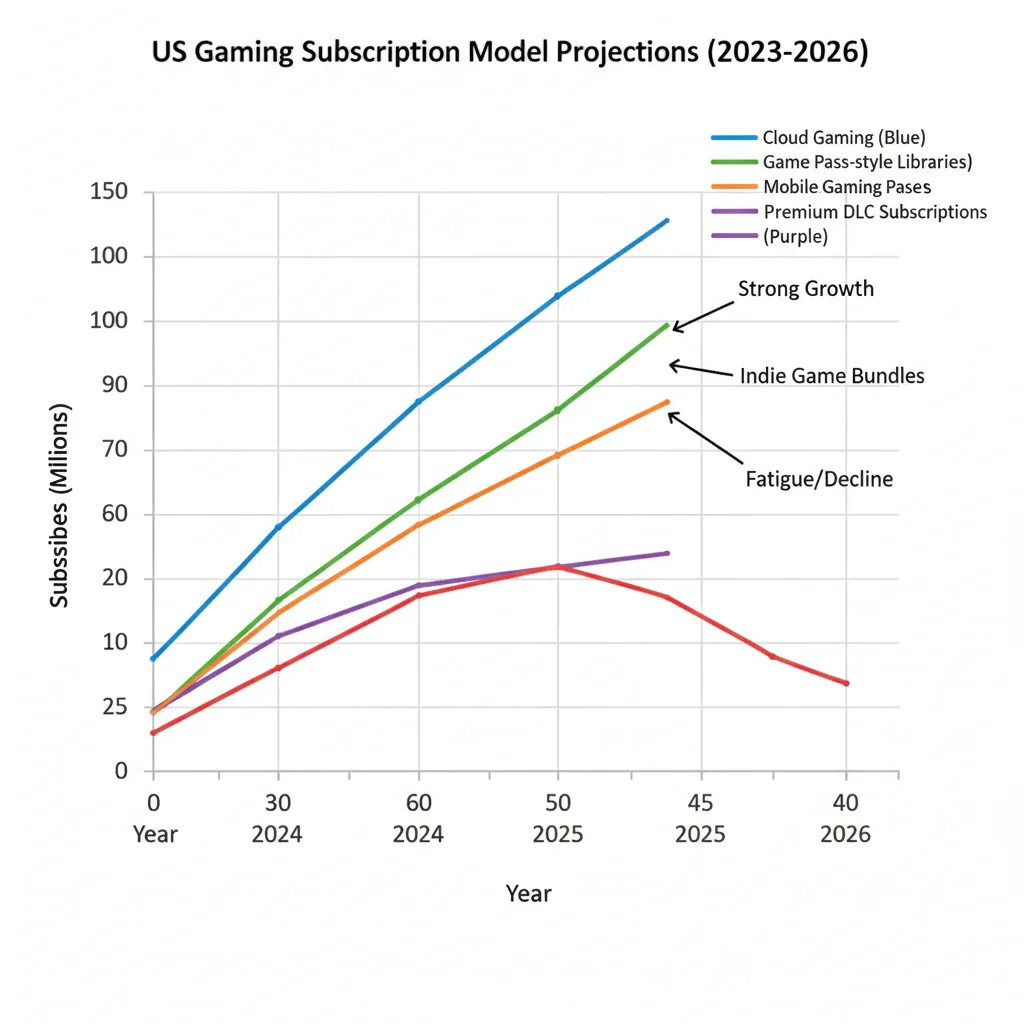
The United States gaming market stands at a pivotal crossroads. As we hurtle towards 2026, the landscape of interactive entertainment is increasingly dominated by subscription-based services. From established titans like Xbox Game Pass and PlayStation Plus to emerging cloud gaming platforms and indie bundles, consumers are presented with an unprecedented array of choices. This proliferation, however, begs a crucial question: Will the burgeoning number of options lead to widespread US Gaming Subscriptions fatigue, or does it represent an unparalleled opportunity for sustained growth and innovation?

How would you like to receive it?
Select the option that suits you best.
Understanding this dynamic is not merely an academic exercise; it’s essential for developers, publishers, platform holders, and, ultimately, the millions of gamers who define this vibrant industry. This comprehensive analysis delves into the intricate factors shaping the US Gaming Subscriptions market, exploring the potential pitfalls of oversaturation, the drivers of continued success, and the strategic imperatives for navigating the coming years.
The Current State of US Gaming Subscriptions: A Booming Ecosystem
Before peering into the future, it’s imperative to assess the present. The US Gaming Subscriptions market has experienced explosive growth over the past few years, fueled by several key factors:
- Accessibility and Value: Services like Xbox Game Pass offer an extensive library of games for a relatively low monthly fee, providing immense value to budget-conscious gamers and those eager to explore new titles without individual purchases. This ‘Netflix for games’ model has proven incredibly attractive.
- Cloud Gaming Evolution: While still in its nascent stages, cloud gaming (e.g., Xbox Cloud Gaming, GeForce NOW, PlayStation Plus Premium) promises to democratize access to high-fidelity gaming, decoupling it from expensive hardware. This is a significant driver for future US Gaming Subscriptions.
- Content Abundance: Publishers are increasingly using subscriptions as a primary distribution channel for both new releases and back catalogs, ensuring a constant stream of fresh content to retain subscribers.
- Platform Integration: Subscriptions are becoming deeply integrated into console and PC ecosystems, often bundled with other benefits like online multiplayer, exclusive discounts, and early access.
- Mobile Gaming Expansion: Mobile gaming subscriptions, though perhaps less prominent than console/PC offerings, are also growing, offering ad-free experiences and exclusive content for a segment of the market.
The sheer volume of content available through these services has fundamentally altered consumer behavior. Gamers are less likely to buy individual games at full price, opting instead for the flexibility and breadth offered by a subscription. This shift represents a permanent change in how many interact with and consume video games in the US.
Subscription Fatigue: A Looming Threat?
Despite the undeniable success, the concept of ‘subscription fatigue’ is a genuine concern for the US Gaming Subscriptions market. This phenomenon, observed across various digital entertainment sectors (streaming TV, music), describes a point where consumers become overwhelmed by the number of subscriptions they manage, the cumulative cost, or the perceived lack of unique value. For gaming, several factors could contribute to this:
Overlapping Content Libraries
While each major service boasts exclusives, there’s often significant overlap in third-party titles. Gamers might find themselves paying for multiple services that offer many of the same games, leading to a feeling of redundancy and poor value. As more publishers launch their own subscription services, this problem could exacerbate, fragmenting the market and frustrating users.
Rising Costs and Budget Constraints
The average consumer has a finite entertainment budget. If they subscribe to multiple gaming services, alongside video streaming, music, and other digital subscriptions, the cumulative monthly cost can become substantial. Economic pressures could force consumers to prioritize, leading to cancellations of less-utilized gaming subscriptions.
Lack of Perceived Unique Value
For a subscription to thrive, it must continually offer compelling, unique value. If a service primarily consists of older titles or games that don’t resonate with the subscriber, retention becomes a challenge. The ‘must-have’ exclusive titles are critical for attracting and keeping subscribers, but producing these at a sustainable pace is a massive undertaking for any platform.
Churn and the ‘Tick-Tock’ Model
Some gamers might adopt a ‘tick-tock’ subscription model, subscribing for a month or two to play specific new releases, then canceling until the next batch of desired games arrives. While this allows publishers to capture revenue, high churn rates can be destabilizing for long-term growth projections and make it harder to build a loyal subscriber base for US Gaming Subscriptions.
Opportunities for Growth and Innovation in US Gaming Subscriptions
Despite the potential for fatigue, the US Gaming Subscriptions market is ripe with opportunities. Strategic innovation and a deep understanding of consumer needs can transform potential challenges into sustained growth.
Curated and Niche Offerings
Instead of trying to be everything to everyone, some services might find success by focusing on niche markets. Imagine a subscription service dedicated solely to indie games, or retro titles, or even specific genres like RPGs or strategy games. These curated experiences could appeal to passionate segments of the gaming community who feel underserved by broader offerings. This targeted approach could mitigate subscription fatigue by offering a distinct value proposition.
Bundling and Tiered Services
The future of US Gaming Subscriptions may lie in more intelligent bundling. This could involve partnerships between different gaming platforms, or even cross-industry bundles (e.g., a gaming subscription bundled with a music streaming service). Tiered subscription models, already prevalent, will likely become more sophisticated, offering different levels of access, perks, and content at varying price points to cater to diverse budgets and preferences.
Enhanced Cloud Gaming and Interoperability
The technological advancements in cloud gaming will be a major catalyst for growth. As latency decreases and streaming quality improves, more gamers will embrace the convenience of playing high-end titles on any device. Furthermore, greater interoperability between platforms – allowing progress and even purchases to carry over – could significantly enhance the value proposition of US Gaming Subscriptions and reduce friction for users.
User-Generated Content (UGC) and Creator Economies
Platforms that successfully integrate user-generated content and foster thriving creator economies could unlock new dimensions of value. Imagine a subscription that not only provides access to games but also tools for creation, and a marketplace for user-made content, with creators earning revenue. This model could turn passive consumers into active participants, driving deeper engagement and unique content that can’t be found elsewhere.
Personalization and AI-Driven Recommendations
As the libraries of US Gaming Subscriptions grow, effective personalization becomes critical. Advanced AI-driven recommendation engines can help users discover new games tailored to their tastes, preventing overwhelming choice and ensuring they get the most out of their subscription. This proactive discovery keeps the service feeling fresh and relevant.
Key Players and Their Strategies for 2026
The major players in the US Gaming Subscriptions market are keenly aware of these dynamics and are actively shaping their strategies for 2026 and beyond:
Microsoft (Xbox Game Pass)
Microsoft is arguably the leader in the console gaming subscription space with Xbox Game Pass. Their strategy revolves around day-one first-party releases, a strong curated library of third-party titles, and aggressive expansion of cloud gaming capabilities. Their acquisition strategy (e.g., Activision Blizzard) is clearly aimed at bolstering their content library and offering unparalleled value. By 2026, expect them to further refine their tiered offerings and push the boundaries of cloud gaming integration, potentially even exploring cross-platform partnerships more aggressively.
Sony (PlayStation Plus)
Sony’s revamped PlayStation Plus offers a multi-tiered approach, combining classic PlayStation experiences with a growing library of modern games. While they haven’t embraced day-one first-party releases on the same scale as Xbox, their focus on exclusive blockbuster titles remains a powerful draw. By 2026, Sony will likely continue to invest heavily in exclusive content, while also enhancing their cloud streaming capabilities and exploring ways to make their vast back catalog more appealing to a new generation of gamers.
Nintendo (Nintendo Switch Online + Expansion Pack)
Nintendo’s subscription offering is distinct, focusing heavily on online multiplayer, cloud saves, and a curated library of retro games (NES, SNES, N64, Genesis). Their unique first-party IP is a significant differentiator. By 2026, expect Nintendo to continue leveraging their beloved franchises, possibly expanding their retro library further, and perhaps exploring more robust cloud gaming solutions if a successor to the Switch emerges with enhanced capabilities.
PC Gaming Subscriptions (PC Game Pass, EA Play, Ubisoft+, etc.)
The PC gaming landscape is more fragmented but equally competitive. PC Game Pass offers a robust library, while services like EA Play and Ubisoft+ provide access to their respective publishers’ catalogs. These services often integrate with existing PC storefronts. By 2026, expect a continued push for exclusive content, tighter integration with launchers, and potentially more flexible purchasing options within these subscription frameworks.
Mobile Gaming Subscriptions (Apple Arcade, Google Play Pass)
Apple Arcade and Google Play Pass offer curated, ad-free mobile gaming experiences. Their value proposition lies in quality over quantity, providing a safe and premium environment for mobile gamers. By 2026, these services will likely focus on securing more exclusive indie titles and enhancing the overall user experience to compete with the vast free-to-play mobile market.
The Role of Content in Combating Fatigue
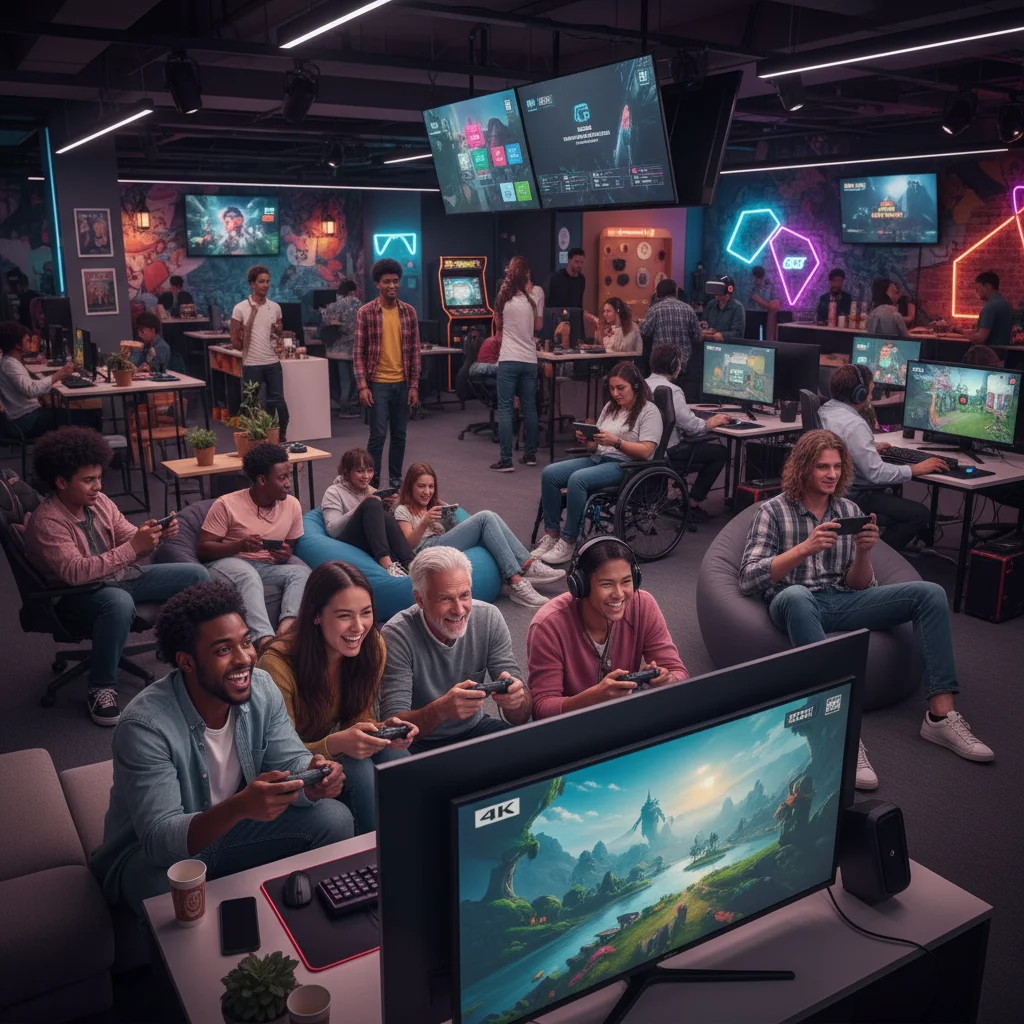
At the heart of any successful subscription service, especially in gaming, lies content. The battle against subscription fatigue will ultimately be won or lost on the strength and uniqueness of the games offered. For the US Gaming Subscriptions market, this means:
- High-Quality Exclusives: ‘Killer apps’ that are only available on one service are powerful magnets for subscribers. Investment in first-party studios and strategic acquisitions will remain crucial.
- Day-One Releases: The ability to play new, highly anticipated games on day one of their release through a subscription is a significant value proposition that few can resist.
- Diverse Library: A balanced library that caters to various tastes – from AAA blockbusters to innovative indie titles, and even beloved classics – ensures broad appeal and keeps subscribers engaged.
- Regular Content Updates: Stagnant libraries lead to churn. Regular additions of new games, expansions, and even rotating ‘vault’ titles keep the service feeling fresh and provide reasons to stay subscribed.
- Community-Driven Content: As mentioned, fostering user-generated content and modding communities can extend the life and appeal of games within a subscription, offering endless replayability.
The challenge for publishers and platform holders is to maintain this high level of content output sustainably, balancing quality, quantity, and cost. This will likely lead to more strategic partnerships and co-development deals within the industry.
Economic Factors and Consumer Behavior by 2026
Beyond the internal dynamics of the gaming industry, broader economic factors will heavily influence the US Gaming Subscriptions market by 2026. Inflation, disposable income levels, and changing consumer spending habits will all play a role.
The Value Proposition Test
As economic pressures fluctuate, consumers will become even more discerning about where they allocate their entertainment budgets. Gaming subscription services will need to continually justify their value proposition. This means not just offering a lot of games, but offering the right games at the right price, with compelling additional benefits.
The Role of Free-to-Play
The enduring popularity of free-to-play (F2P) games will continue to exert pressure on subscription models. While F2P and subscription services often cater to different segments, there is an overlap. Subscriptions need to demonstrate they offer a superior, ad-free, or content-rich experience that F2P cannot replicate, or integrate F2P elements strategically to draw users into their ecosystem.
Demographic Shifts
The gaming audience is constantly evolving. As new generations grow up with subscriptions as a default, their expectations and willingness to pay may differ. Understanding these demographic shifts will be crucial for tailoring future US Gaming Subscriptions offerings and marketing strategies.
Conclusion: A Future of Strategic Evolution, Not Just Growth
The US Gaming Subscriptions market in 2026 will undoubtedly be larger and more diversified than it is today. However, its growth will not be linear or without challenges. Subscription fatigue is a real concern, but it’s also a powerful catalyst for innovation. The services that thrive will be those that can:
- Differentiate Effectively: Offer unique content, experiences, or value propositions that stand out from the crowd.
- Understand and Segment Their Audience: Cater to specific tastes and budgets through tiered offerings and curated libraries.
- Innovate Technologically: Leverage cloud gaming, AI, and other advancements to enhance accessibility and user experience.
- Prioritize Content Quality and Freshness: Consistently deliver compelling games and experiences that justify the monthly fee.
- Adapt to Economic Realities: Remain flexible in pricing and bundling to accommodate changing consumer spending habits.
The future of US Gaming Subscriptions is not about simply adding more services; it’s about strategic evolution, thoughtful curation, and a relentless focus on delivering exceptional value to the gamer. By embracing these principles, the industry can transform the potential for fatigue into a boundless landscape of opportunity, ensuring that gaming subscriptions remain a vibrant and integral part of the entertainment ecosystem for years to come.
The next few years will be a fascinating period of consolidation, innovation, and strategic maneuvering. Those who navigate these waters successfully will not only capture a larger share of the market but also fundamentally redefine how we play and experience video games.