The Unstoppable Surge: 7 Ways Gaming Culture Influences US Popular Trends in 2026
In the dynamic landscape of 2026, few cultural phenomena wield as much pervasive power as video gaming. What began as a niche hobby has exploded into a global juggernaut, transcending mere entertainment to become a profound force shaping US popular trends. From the intricate brushstrokes of fan art to the runways of high fashion, the competitive arenas of esports, and even the very fabric of our social interactions, gaming culture influence is undeniable and ever-expanding. This isn’t just about playing games; it’s about a complete cultural integration where the virtual world profoundly impacts the real one.

How would you like to receive it?
Select the option that suits you best.
The evolution of gaming has been nothing short of spectacular. Once relegated to dimly lit arcades and basements, gaming now occupies prime-time slots, generates billions in revenue, and boasts a community larger and more engaged than many traditional sports. This exponential growth has naturally led to a significant spillover effect into mainstream culture, influencing everything from language and humor to consumer behavior and artistic expression. As we delve into 2026, the lines between gamer and non-gamer are increasingly blurred, with elements of gaming culture becoming an intrinsic part of everyday life.
This article will explore seven pivotal ways gaming culture influence is manifesting in US popular trends in 2026. We’ll examine how virtual worlds inspire physical creations, how digital identities shape real-world styles, and how the competitive spirit of gaming fosters new forms of entertainment and community. Prepare to discover the multifaceted impact of gaming, a force that continues to redefine what’s ‘cool,’ what’s ‘fashionable,’ and what’s ‘next’ in American society.
1. Fan Art: From Digital Doodles to Gallery Showcases
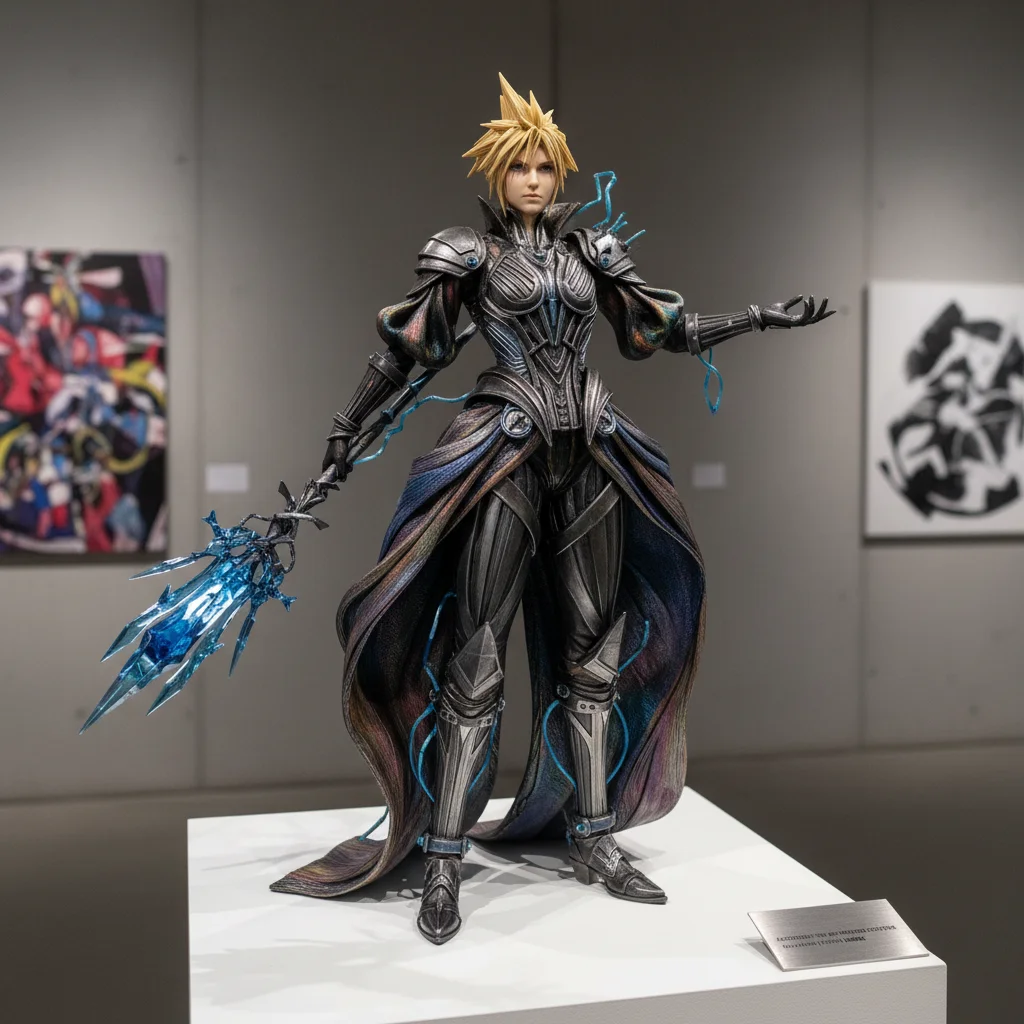
The creative fervor of the gaming community is perhaps best exemplified by the explosion of fan art. What started as passionate tributes shared on online forums has evolved into a legitimate art form, influencing mainstream artistic trends in 2026. Gamers, often artists themselves, spend countless hours meticulously recreating characters, scenes, and lore from their favorite titles, adding their unique interpretations and styles. This devotion has cultivated a massive pool of talent, pushing the boundaries of digital illustration, sculpture, and even traditional painting.
In 2026, fan art is no longer confined to the digital realm. High-profile galleries and art exhibitions are increasingly featuring pieces inspired by video games, recognizing the skill, creativity, and cultural significance embedded within them. Artists who began their careers creating fan art are now celebrated figures in the contemporary art scene, their work commanding significant attention and value. This shift underscores a broader acceptance and appreciation of gaming as a muse, a fertile ground for artistic expression that resonates deeply with a generation raised on pixels and polygons.
Moreover, the tools and techniques developed within the gaming industry, such as advanced 3D modeling software and virtual reality sculpting, are now standard in many art schools and professional studios. This cross-pollination of technology and artistic vision means that the aesthetic sensibilities nurtured by gaming are directly shaping the visual language of future artists. The dynamic compositions, vibrant color palettes, and intricate character designs prevalent in video games are finding their way into fine art, commercial illustrations, and even architectural concepts. The gaming culture influence on visual arts is both profound and pioneering.
Major game developers are also recognizing and fostering this trend, often commissioning fan artists for official promotional materials or collaborating on limited edition collectibles. This symbiotic relationship elevates the status of fan art, validating its artistic merit and providing a platform for creators to reach wider audiences. The transition of fan art from a subculture phenomenon to a celebrated mainstream art form is a testament to the enduring creative power of gaming communities and their ability to innovate and inspire.
2. Gaming-Inspired Fashion: Leveling Up Street Style and High Couture
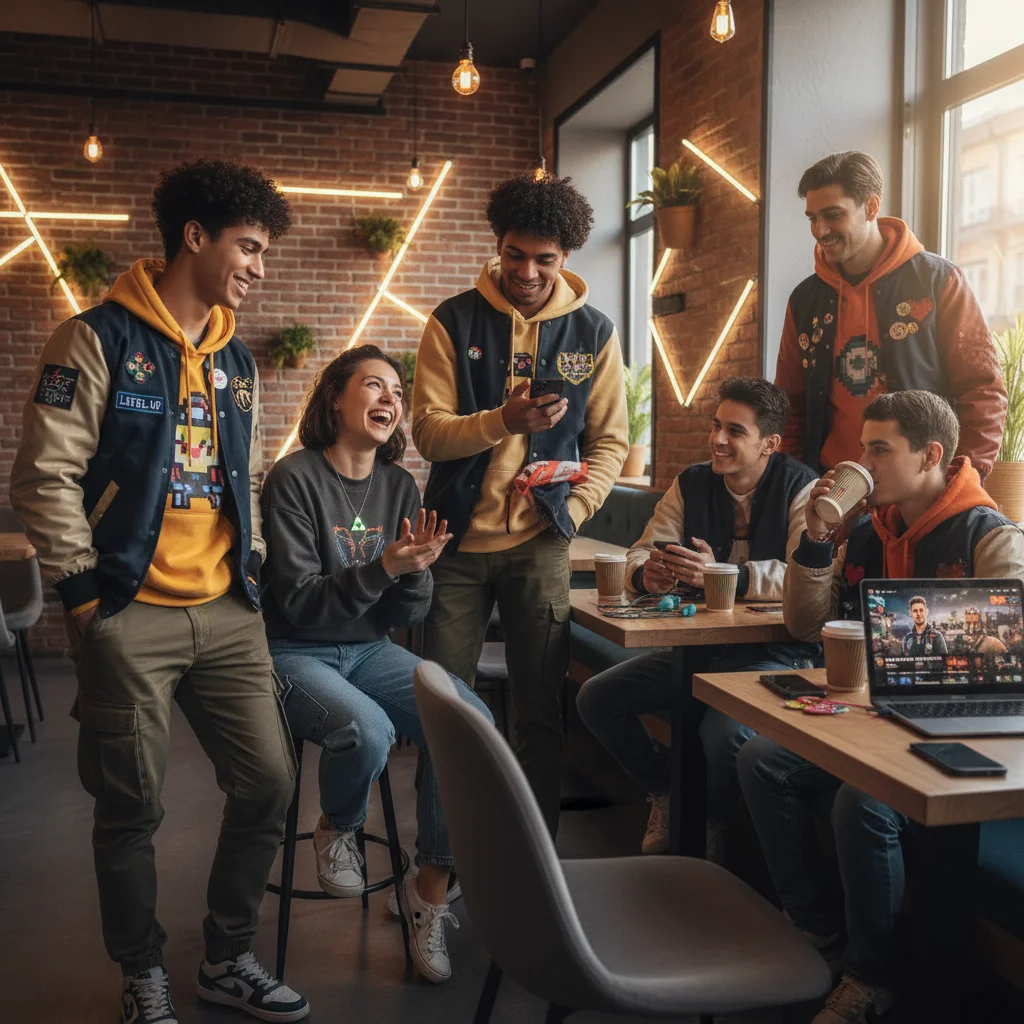
The impact of gaming culture influence on fashion in 2026 is unmistakable, transforming both street style and high couture. Gamers have always had a distinct aesthetic, characterized by comfort, practicality, and often a subtle nod to their favorite virtual worlds. However, this has evolved far beyond graphic tees and hoodies. Today, designers are drawing direct inspiration from game character designs, in-game aesthetics, and the overarching themes of virtual narratives.
On the streets, you’ll find elements like oversized silhouettes reminiscent of character armor, utilitarian pockets and straps inspired by inventory management systems, and vibrant, often neon, color palettes plucked straight from futuristic game environments. Brands are collaborating with game developers to create official merchandise that seamlessly blends into contemporary fashion trends, offering pieces that are both stylish and instantly recognizable to fellow enthusiasts. Limited-edition drops of gaming-themed sneakers, jackets, and accessories often sell out in minutes, highlighting the immense demand for this aesthetic.
But the influence doesn’t stop at street style. High fashion runways in New York, Paris, and Milan are showcasing collections that explicitly reference video games. Designers are incorporating pixelated patterns, digital prints, and even augmented reality elements into their shows, blurring the lines between physical garments and virtual experiences. The concept of ‘skins’ – alternative outfits for game characters – has translated into real-world fashion, with consumers seeking unique, customizable pieces that allow them to express their individual identities, much like their in-game avatars.
Furthermore, the rise of virtual fashion and digital clothing, particularly within metaverse platforms, is pushing the boundaries of what fashion even means. Designers are creating garments that exist only in digital spaces, sold to players to adorn their avatars. This not only generates new revenue streams but also influences physical fashion by experimenting with forms, textures, and materials that might be impossible or impractical in the real world, yet inspire future physical designs. The symbiotic relationship between digital and physical fashion, driven by gaming, is a defining trend of 2026.
3. Esports: From Niche Competitions to Mainstream Spectacle
Esports, or electronic sports, has undergone a meteoric rise, transforming from niche online competitions into a mainstream spectacle rivaling traditional sports in viewership and prize pools. In 2026, the gaming culture influence through esports is profoundly impacting entertainment, media consumption, and even professional athleticism. Major tournaments fill stadiums, drawing millions of online viewers, and professional gamers are achieving celebrity status, complete with lucrative endorsements and dedicated fan bases.
The infrastructure surrounding esports has matured significantly. Dedicated broadcast channels, professional commentators, and sophisticated production values now characterize esports events, making them highly engaging for both seasoned fans and curious newcomers. Universities are offering scholarships for esports athletes, and professional teams are structured similarly to traditional sports franchises, complete with coaches, analysts, and rigorous training regimens. This legitimization has brought gaming into the homes and consciousness of a much broader audience.
Beyond the competitive aspect, esports is also influencing adjacent industries. The technology used for broadcasting and analyzing games is pushing innovations in live streaming, virtual reality, and augmented reality, which then find applications in other forms of entertainment. The marketing strategies employed by esports organizations and game publishers are setting new benchmarks for audience engagement and community building, lessons that are being adopted by brands across various sectors.
Moreover, the narratives of underdog teams, star players, and dramatic comebacks in esports resonate deeply with audiences, creating compelling stories that rival those found in traditional sports. This narrative power is attracting investment from mainstream media outlets and advertising agencies, further cementing esports’ place as a dominant form of entertainment. The global reach and passionate fan base of esports demonstrate how gaming has successfully carved out a significant and permanent space in the popular culture landscape of 2026.
4. Music and Sound Design: The Soundtrack to a Generation
The indelible mark of gaming culture influence on music and sound design in 2026 is undeniable. Video game soundtracks have long been celebrated for their compositional brilliance, often featuring orchestral scores, electronic soundscapes, and memorable themes that stick with players long after they’ve turned off their consoles. In 2026, this appreciation has spilled over into mainstream music, influencing genres, production techniques, and even live performances.
Many contemporary artists are openly citing video game scores as a major source of inspiration, incorporating chiptune elements, synth-wave aesthetics, and epic orchestral arrangements into their work. Composers who specialize in game scores are now highly sought after for film, television, and even pop music productions, bringing their unique understanding of interactive audio to new mediums. The emotional depth and narrative power of game music are being recognized and adapted across the entire music industry.
Beyond composition, sound design from games is also making its way into popular music. The distinct sounds of retro arcade games, futuristic weapon effects, or ambient atmospheric textures from open-world titles are being sampled and integrated into tracks, adding layers of nostalgia and innovation. Podcasts, commercials, and digital content are increasingly using sound effects and musical cues that evoke a gaming sensibility, creating an immediate connection with a broad, gaming-literate audience.
Live orchestral concerts performing video game scores are selling out venues worldwide, demonstrating the artistic merit and widespread appeal of this music. Furthermore, in-game concerts featuring virtual performances by real-world artists are becoming a common and highly anticipated event, blurring the lines between virtual and physical entertainment. This fusion not only provides new platforms for musicians but also deepens the immersive experience for gamers, showcasing the profound and reciprocal relationship between gaming and music in 2026.
5. Language and Memes: The Digital Dialect of a Connected World
The lexicon of gaming has profoundly permeated everyday language and meme culture in 2026, serving as a powerful conduit for gaming culture influence. Terms and phrases originally coined within gaming communities are now widely understood and used in casual conversation, social media, and even professional settings. Expressions like ‘level up,’ ‘noob,’ ‘GG’ (good game), ‘IRL’ (in real life), and ‘respawn’ are no longer exclusive to gamers but are part of the common parlance, reflecting a shared understanding of digital experiences.
This linguistic integration goes hand-in-hand with the explosion of gaming-related memes. Memes, often visual jokes or cultural references, thrive on shared experiences and rapid dissemination. Video games, with their iconic characters, absurd situations, and relatable frustrations, provide an endless wellspring for meme creation. These memes quickly go viral, transcending gaming communities to become universal symbols of humor, irony, or commentary on broader societal issues. A well-placed gaming meme can convey complex ideas or emotions with immediate recognition among diverse audiences.
The prevalence of gaming language and memes highlights a significant cultural shift: a generation that grew up with video games is now in positions of influence, and their digital native fluency is shaping communication. This creates a cultural shorthand, a way for people to connect and express themselves through shared references that are both entertaining and efficient. Brands and advertisers are acutely aware of this, often incorporating gaming slang and meme formats into their campaigns to appeal to younger, digitally savvy consumers.
Moreover, the interactive and community-driven nature of gaming fosters the rapid evolution of this digital dialect. New games constantly introduce new terms and concepts, which are then quickly adopted, adapted, and spread across the internet. This dynamic linguistic landscape reflects the continuous innovation and pervasive reach of gaming culture, cementing its role in shaping how we communicate and find humor in 2026.
6. Social Dynamics and Community Building: Beyond the Screen
Perhaps one of the most significant yet often underestimated aspects of gaming culture influence in 2026 is its profound impact on social dynamics and community building. Far from being isolating, modern gaming is inherently social, fostering deep connections and vibrant communities that extend far beyond the digital screen. These communities are redefining how people interact, form friendships, and even engage in collective action.
Multiplayer online games, in particular, create environments where individuals from diverse backgrounds collaborate, compete, and communicate. This shared experience often leads to the formation of strong bonds, with online friendships frequently transitioning into real-life relationships. Gaming conventions, local meet-ups, and online forums dedicated to specific games serve as crucial social hubs where these connections are nurtured and celebrated. These communities provide a sense of belonging and identity that can be incredibly powerful, especially for individuals who might feel marginalized in other social contexts.
The organizational structures and collaborative strategies learned within gaming—such as teamwork, leadership, and conflict resolution in raid groups or esports teams—are also translating into real-world skills. Many companies now recognize the value of these ‘soft skills’ developed through gaming, viewing them as assets in the workplace. The ability to coordinate complex tasks with a diverse group under pressure, a common experience in many online games, is highly transferable.
Furthermore, gaming communities are increasingly becoming platforms for social activism and charitable endeavors. Players often rally together to raise money for causes, organize awareness campaigns, or support fellow community members in times of need. This collective spirit demonstrates the positive potential of gaming to mobilize large groups of people for meaningful impact. The social infrastructure built around gaming is robust and ever-evolving, proving that virtual interactions can lead to very real and impactful social change in 2026.
7. Narrative and Storytelling: New Paradigms for Engagement
The final, but by no means least, way gaming culture influence is shaping US popular trends in 2026 is through its revolutionary approach to narrative and storytelling. Video games offer a unique form of interactive storytelling that traditional media simply cannot replicate. This interactive paradigm is now influencing how stories are conceived, consumed, and appreciated across various platforms, from film and television to literature and even advertising.
Unlike passive consumption, gaming places the player at the heart of the narrative, allowing them to make choices that impact the storyline, explore vast worlds at their own pace, and deeply connect with characters. This level of agency creates a more immersive and personalized story experience. As a result, audiences in 2026 are increasingly seeking similar levels of engagement in other forms of media. This demand has led to a rise in interactive films, choose-your-own-adventure style streaming series, and immersive theatrical experiences that borrow heavily from gaming’s playbook.
Game narratives themselves are becoming more sophisticated, tackling complex themes, developing intricate lore, and featuring richly developed characters. Writers and directors from Hollywood are collaborating with game studios, recognizing the depth and potential of game storytelling. Conversely, game writers are being tapped for film and TV projects, bringing their expertise in crafting branching narratives and compelling player journeys to linear mediums. This cross-pollination enriches both industries and pushes the boundaries of creative expression.
Moreover, the concept of ‘world-building’ – creating expansive, detailed fictional universes – a hallmark of many successful game franchises, is now a highly valued skill across all creative industries. The ability to craft a believable and engaging universe, complete with its own history, cultures, and rules, is seen as crucial for captivating modern audiences. Gaming has not only provided a new medium for storytelling but has also fundamentally reshaped audience expectations for how stories should be told and experienced in 2026 and beyond.
Conclusion: Gaming’s Enduring Cultural Legacy in 2026
As we navigate 2026, it’s abundantly clear that gaming culture influence is not a fleeting fad but a deeply ingrained and continually expanding force shaping US popular trends. From transforming fan art into gallery-worthy masterpieces and inspiring high fashion, to elevating esports into a legitimate spectator sport and infusing our language with new meaning, gaming has proven its pervasive power. It has redefined music, fostered vibrant social communities, and innovated the very art of storytelling.
The interactive, community-driven, and endlessly creative nature of gaming ensures its continued relevance and impact. As technology advances and games become even more immersive and accessible, their cultural footprint will only grow. The lines between virtual and real, play and profession, niche and mainstream will continue to blur, making gaming an intrinsic part of the global cultural tapestry.
For anyone seeking to understand the pulse of popular culture in 2026, ignoring the profound and multifaceted influence of gaming would be a critical oversight. It is a dynamic, evolving force that not only reflects society but actively shapes it, driving innovation, fostering creativity, and connecting millions in unprecedented ways. The future, it seems, is being played out, one game at a time.