Mastering Online Gaming: Solutions for US Player Toxicity in 2026
The digital arenas of online gaming have become vibrant hubs for connection, competition, and entertainment. For millions of US players, these virtual worlds offer an escape, a challenge, and a community. However, beneath the surface of thrilling victories and epic adventures lies a persistent and often debilitating issue: online gaming toxicity. This pervasive problem, ranging from verbal abuse and harassment to griefing and cheating, significantly detracts from the gaming experience, pushing many players away from titles they once loved. As we navigate 2026, the landscape of online gaming continues to evolve, bringing with it both new opportunities for connection and new challenges in combating negative player behavior. Understanding the multifaceted nature of online gaming toxicity and proactively implementing effective solutions is no longer a luxury but a necessity for fostering healthier, more enjoyable environments for everyone.
The impact of toxicity extends far beyond individual interactions. It erodes trust, stifles creativity, and can even have serious psychological effects on players, leading to stress, anxiety, and a diminished sense of belonging. Developers, publishers, and community managers are constantly seeking innovative ways to address this issue, but the ultimate responsibility often falls on the players themselves to cultivate positive spaces. This article will delve into three practical and actionable solutions for US players to improve their online gaming environment in 2026, offering a roadmap for transforming toxic landscapes into thriving communities.
Understanding the Landscape of Online Gaming Toxicity in 2026
Before we can effectively combat online gaming toxicity, it’s crucial to understand its various forms and the underlying factors that contribute to its prevalence in 2026. Toxicity isn’t a monolithic entity; it manifests in numerous ways, each requiring a tailored approach. For US players, recognizing these nuances is the first step towards creating a more positive gaming experience.
What Constitutes Online Gaming Toxicity?
- Verbal Abuse and Harassment: This is perhaps the most common form, encompassing insults, slurs, threats, and discriminatory language. It can occur in voice chat, text chat, or even through in-game emotes.
- Griefing: Intentionally ruining another player’s game experience, often without any direct benefit to the griefer. This can include blocking teammates, destroying friendly structures, or intentionally losing games.
- Cheating and Exploiting: Using third-party software, glitches, or unfair tactics to gain an advantage. While often addressed by anti-cheat systems, the psychological impact on fair players is significant.
- Trolling: Deliberately provoking or upsetting others by posting inflammatory messages or engaging in disruptive behavior to elicit an emotional response.
- Spawn Camping and Gatekeeping: Repeatedly killing players immediately after they respawn or preventing new players from accessing certain areas or content.
- Microaggression and Passive Aggression: Subtle, often unintentional expressions of prejudice or hostility, or indirect expressions of opposition and resentment. These can be particularly insidious as they are harder to call out directly.
- Doxing and Swatting: Extreme forms of harassment involving revealing personal information (doxing) or making false emergency calls (swatting) to a player’s address. While less common, these highlight the dangerous potential of online anonymity.
Root Causes of Online Gaming Toxicity
The reasons behind online gaming toxicity are complex and multi-layered. Understanding these roots helps us develop more empathetic and effective solutions:
- Anonymity and Deindividuation: The veil of anonymity often emboldens individuals to say and do things they wouldn’t in face-to-face interactions. This deindividuation reduces personal accountability.
- Competitive Pressure and High Stakes: In competitive games, the desire to win can be intense. Losses are often attributed to teammates, leading to frustration and lashing out. The rise of esports has only amplified this pressure.
- Lack of Consequences: Historically, reporting systems have been slow or ineffective, leading toxic players to believe they can act with impunity.
- Social Learning and Normalization: When toxicity is prevalent, new players may adopt similar behaviors, perceiving them as normal or even necessary to survive in the environment.
- Personal Stressors and External Factors: Players may bring real-world frustrations into the game, using it as an outlet for anger or stress.
- Power Dynamics and Hierarchies: In-game roles, skill levels, or even perceived social status can create power imbalances that some players exploit to exert dominance through toxic behavior.
- Developer Oversight and Design Flaws: Sometimes, game design choices inadvertently create environments conducive to toxicity, such as poorly balanced matchmaking, lack of clear communication tools, or insufficient reporting mechanisms.
By dissecting these elements, US players can gain a clearer perspective on the challenges they face. The goal is not just to react to toxicity, but to proactively reshape the gaming landscape.
Solution 1: Empowering Players Through Enhanced Reporting and Moderation Tools
One of the most immediate and impactful ways to combat online gaming toxicity is to equip players with robust and accessible reporting tools, coupled with transparent and efficient moderation. For US players in 2026, this means demanding better from game developers and actively utilizing the systems that are in place.
The Evolution of Reporting Systems
Traditional reporting systems often felt like black holes – you’d report a player and never know if any action was taken. In 2026, the best systems offer:
- Real-time Reporting: The ability to report incidents as they happen, allowing for immediate action by automated systems or human moderators.
- Contextual Reporting: More detailed reporting options, allowing players to categorize the type of toxicity (e.g., verbal abuse, griefing, cheating) and provide specific timestamps or chat logs.
- Feedback Loops: Players receive notifications when action is taken against a reported individual, reinforcing the idea that their reports make a difference. This transparency is crucial for building trust.
- AI-Powered Detection: Advanced AI can now detect patterns of toxic language, recognize griefing behaviors, and even analyze voice chat for problematic content, flagging incidents for human review. This significantly speeds up the moderation process.
- Severity Tiers: Penalties should be scaled, from temporary chat restrictions for minor infractions to permanent bans for repeat offenders or severe breaches of conduct.
The Role of Community Moderation
While developers bear the primary responsibility, community-driven moderation can significantly augment these efforts. This involves:
- Player-Voted Tribunals: In some games, a system where trusted, high-standing players can review reports and vote on appropriate actions has proven effective. This decentralizes moderation and leverages community wisdom.
- Dedicated Community Managers: Companies are investing more in community managers who actively engage with players, enforce rules, and foster positive interactions on forums, Discord servers, and in-game.
- Self-Moderation Tools: Giving players more control over their own experience, such as robust mute/block functions, customizable chat filters, and the ability to opt-out of certain communication channels.
How US Players Can Leverage These Tools
For US players, actively participating in and advocating for these improved systems is vital:
- Report Diligently and Responsibly: Don’t just ignore toxicity. Use the in-game reporting features whenever you encounter problematic behavior. Provide as much detail as possible.
- Familiarize Yourself with Game Rules: Understand the code of conduct for each game you play. This helps you identify genuine toxicity and avoid misreporting.
- Advocate for Better Systems: Engage with game developers through forums, social media, and surveys. Share your experiences and push for more transparent and effective moderation tools.
- Lead by Example: Don’t engage in retaliatory toxicity. If someone is being verbally abusive, mute them and report them. Don’t sink to their level.
The power of collective reporting and informed advocacy can push developers to prioritize anti-toxicity measures, ultimately leading to a cleaner, more enjoyable gaming environment for everyone.
Solution 2: Cultivating Positive Communication and Empathy
Beyond punitive measures, a more proactive and sustainable approach to combating online gaming toxicity involves fostering a culture of positive communication and empathy among US players. This shifts the focus from merely punishing bad behavior to actively promoting good behavior.
The Power of Positive Communication
Effective communication is the bedrock of any healthy team-based game. When communication breaks down, frustration mounts, and toxicity often follows. Here’s how to cultivate it:
- Clear and Concise Callouts: In fast-paced games, precise information is key. Avoid vague statements and focus on objective facts.
- Constructive Feedback, Not Criticism: Instead of saying, "You’re terrible!" try, "Maybe we should group up more for that objective." Frame suggestions positively.
- Encouragement and Praise: A simple "nice shot" or "good try" can significantly boost team morale and foster a positive atmosphere, even in a losing effort.
- Use of Pings and Non-Verbal Cues: Many games offer ping systems or other non-verbal communication tools. Utilize these effectively to reduce reliance on potentially toxic voice or text chat.
- Active Listening: Pay attention to what your teammates are saying. Acknowledging their input, even if you disagree, shows respect.
Building Empathy in Online Interactions
Anonymity often strips away empathy. Players forget there’s a real person with feelings on the other side of the screen. Rebuilding this sense of empathy is crucial:
- Assume Good Intent: Unless proven otherwise, try to assume your teammates are trying their best. Everyone makes mistakes.
- Perspective-Taking: Before lashing out, consider why a player might have made a particular mistake. Were they new? Lagging? Did they misinterpret a call?
- Humanizing Your Teammates: Remember that your teammates are individuals with their own lives, experiences, and skill levels. They are not just anonymous avatars.
- Sharing Positive Stories: Encourage platforms where players can share positive gaming experiences, highlighting instances of camaraderie and sportsmanship.
Practical Steps for US Players
- Start with Yourself: Be the change you wish to see. Practice positive communication and empathy in every game you play.
- Utilize Mute/Block Functions Proactively: Don’t hesitate to mute or block toxic players. Your mental well-being is paramount. You don’t owe anyone your attention if they are being abusive.
- Form Positive Groups: Play with friends or seek out like-minded individuals to form pre-made groups. This significantly reduces the chances of encountering random toxicity.
- Join Community Discords/Forums: Engage with positive communities outside of the game itself. These platforms often foster a sense of belonging and provide opportunities to find non-toxic teammates.
- Offer Help to New Players: Be patient and offer guidance to new players. A positive first experience can shape their entire gaming journey and encourage them to be better community members.
By consciously choosing to communicate positively and extending empathy, US players can collectively shift the culture of online gaming away from aggression and towards mutual respect and enjoyment.
Solution 3: Promoting and Participating in Healthy Gaming Communities
The third crucial solution for combating online gaming toxicity in 2026 lies in the active promotion and participation in healthy, well-moderated gaming communities. While individual actions and developer tools are important, the collective strength of a positive community can be the most powerful deterrent to toxicity.
The Rise of Curated Gaming Spaces
As the mainstream gaming environment struggles with toxicity, many US players are gravitating towards smaller, more curated online spaces:
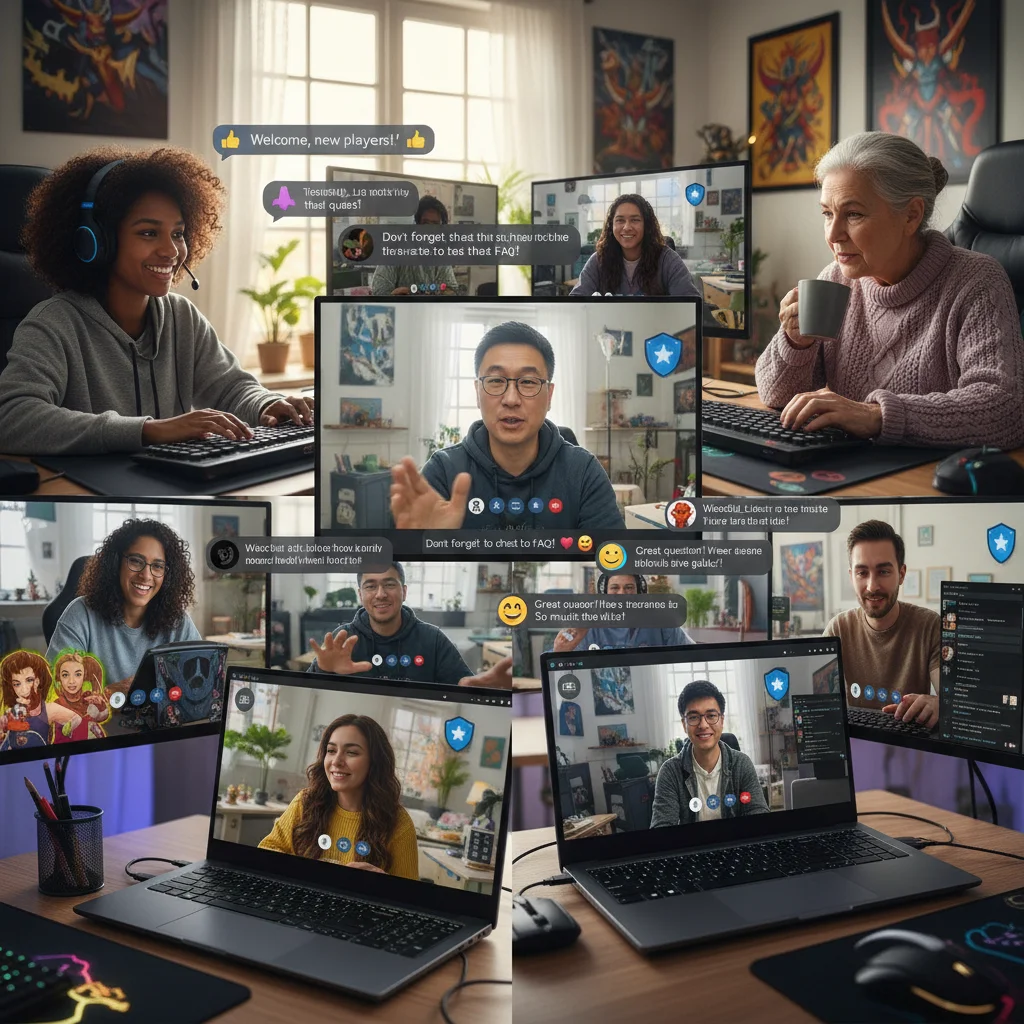
- Discord Servers: Dedicated Discord servers for specific games, clans, or content creators often have strict rules and active moderation, creating safe havens for players.
- Guilds and Clans with Codes of Conduct: Many guilds and clans now explicitly state their anti-toxicity policies, interviewing potential members to ensure a good fit.
- Community-Driven Events and Leagues: Player-organized tournaments and leagues can foster competitive yet respectful environments, emphasizing sportsmanship.
- Streaming Communities: Many streamers cultivate positive communities around their content, with active moderation in chat and zero tolerance for harassment.
Characteristics of a Healthy Gaming Community
What makes a gaming community truly healthy and resilient against toxicity?
- Clear Rules and Expectations: A well-defined code of conduct that is easily accessible and understood by all members.
- Active and Fair Moderation: Moderators who consistently enforce rules, are approachable, and handle disputes impartially.
- Inclusive Environment: A community that welcomes players of all backgrounds, skill levels, and identities, actively combating discrimination.
- Opportunities for Engagement Beyond Gameplay: Spaces for members to connect over shared interests, discuss game strategies, or simply socialize, building stronger bonds.
- Emphasis on Sportsmanship: Celebrating good plays, offering congratulations, and respecting opponents, win or lose.
- Player Empowerment: Giving members a voice in community decisions, fostering a sense of ownership and shared responsibility.
How US Players Can Contribute to and Benefit from Healthy Communities
For US players, actively seeking out and contributing to these positive communities is paramount:
- Seek Out Moderated Spaces: When choosing a game or a group to play with, prioritize those with clear moderation policies and a reputation for a positive environment.
- Be an Active, Positive Member: Don’t just lurk. Participate in discussions, offer help, share your knowledge, and be a positive influence.
- Report Issues Within the Community: If toxicity arises even in a curated space, use the community’s reporting mechanisms. Good communities will address it.
- Consider Becoming a Moderator: If you are passionate about fostering a positive environment, consider volunteering to moderate a community you are a part of.
- Support Content Creators Promoting Positivity: Follow and support streamers or YouTubers who actively promote positive gaming culture. Your engagement helps amplify their message.
- Educate Others Gently: If you see minor instances of toxicity, sometimes a gentle reminder of community rules or a suggestion for more positive communication can be effective, especially with newer players.
By investing time and effort into cultivating and participating in healthy gaming communities, US players can create resilient pockets of positivity that can eventually influence the broader online gaming landscape. These communities act as bulwarks against the tide of online gaming toxicity, offering a model for how gaming should be: fun, engaging, and respectful.
The Future of Online Gaming: A Collective Responsibility
The battle against online gaming toxicity is ongoing, and there’s no single magic bullet. However, by combining advanced technical solutions, a commitment to positive player behavior, and the cultivation of strong, healthy communities, US players can significantly improve their online gaming experience in 2026 and beyond. This isn’t just about making games more enjoyable; it’s about creating digital spaces that are inclusive, respectful, and truly reflective of the best aspects of human interaction.
Game developers have a crucial role to play by designing games with anti-toxicity features in mind, investing in robust moderation, and listening to their player base. Publishers must support these efforts, recognizing that a healthy community is vital for long-term game success. Esports organizations and professional players also bear a significant responsibility to set positive examples, as their influence shapes the behavior of countless fans.
Ultimately, the power rests with the players themselves. Every US player has the agency to contribute to a better online environment. By reporting toxic behavior, practicing empathy, communicating positively, and actively participating in healthy communities, we can collectively steer the future of online gaming towards a more inclusive and enjoyable direction. Let’s make 2026 the year we reclaim the joy of online gaming, one positive interaction at a time.
Key Takeaways for US Players:
- Be Proactive with Reporting: Utilize all available in-game reporting tools and demand transparency from developers regarding moderation actions.
- Master Positive Communication: Focus on constructive feedback, encouragement, and clear callouts to foster a better team environment.
- Cultivate Empathy: Remember there’s a person behind the screen; assume good intent and practice perspective-taking.
- Seek Out Healthy Communities: Join well-moderated Discord servers, guilds, or clans that align with your values.
- Be a Role Model: Your actions influence others. Lead by example by being respectful, helpful, and positive.
- Support Anti-Toxicity Initiatives: Advocate for better tools and policies, and support content creators who champion positive gaming.
The dream of a truly positive online gaming experience is within reach. It requires a concerted effort from all stakeholders, but with US players leading the charge, 2026 can mark a turning point in the fight against online gaming toxicity. Let’s build a future where every game is an opportunity for fun, challenge, and positive connection.