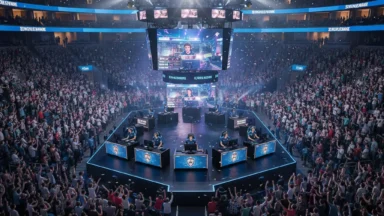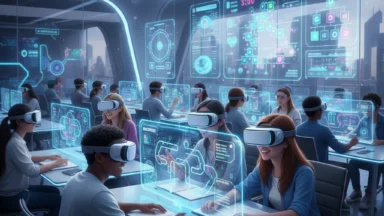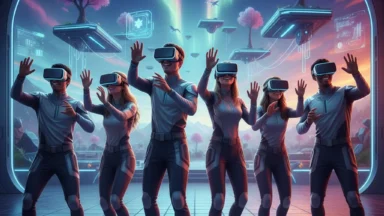
The landscape of gaming is ever-evolving, and nowhere is this more apparent than in the dynamic world of gaming communities. As we hurtle towards 2026, the ways players interact, connect, and build shared experiences are undergoing a profound transformation. Gone are the days when gaming was a solitary pursuit; today, it’s a vibrant ecosystem of social interaction, competition, and collaboration. The future promises an even deeper integration of technology and human connection, leading to innovative forms of community engagement. This article delves into five new trends shaping gaming community trends in 2026, offering a glimpse into the exciting future of player interaction and social dynamics.
Understanding these trends is crucial not only for players looking to stay ahead of the curve but also for game developers, community managers, and platform creators. The ability to adapt to and leverage these shifts will define success in the competitive gaming industry. From the subtle nuances of AI-driven moderation to the expansive possibilities of the metaverse, each trend brings with it new opportunities and challenges. Let’s explore how these forces are reshaping the very fabric of how we play, connect, and thrive together in virtual worlds.
1. Hyper-Personalized Community Experiences Driven by AI
One of the most significant gaming community trends we anticipate by 2026 is the rise of hyper-personalized community experiences, powered extensively by artificial intelligence. Imagine logging into your favorite game, and not only is the game world tailored to your preferences, but the community spaces you inhabit are also dynamically optimized for your social style, interests, and even your mood. This isn’t just about recommending friends or guilds; it’s about creating bespoke social environments.
The Role of AI in Personalization
AI algorithms will analyze vast amounts of player data – from gameplay patterns and communication styles to preferred in-game activities and past interactions – to curate highly relevant community experiences. This could manifest in several ways:
- Dynamic Group Formation: Instead of static guild recruitment, AI could intelligently suggest temporary or permanent groups based on complementary playstyles, skill levels, and even personality traits, leading to more cohesive and enjoyable team dynamics.
- Personalized Event Recommendations: Community events, whether competitive tournaments or casual social gatherings, will be recommended based on individual player engagement history and preferences, ensuring higher participation and satisfaction.
- Adaptive Moderation: AI-powered moderation will go beyond simple keyword filtering. It will understand context, sentiment, and individual player history to provide more nuanced and effective community management, fostering safer and more inclusive spaces without stifling genuine interaction. This adaptive approach aims to reduce toxicity while promoting healthy discourse and collaboration.
- Tailored Content Feeds: Community platforms will offer personalized content feeds, highlighting discussions, fan art, guides, and news most relevant to each player’s specific interests within the broader game universe. This reduces information overload and increases engagement with meaningful content.
Benefits of Hyper-Personalization
The benefits of such hyper-personalization are multifold. For players, it means less time searching for compatible peers and more time enjoying meaningful interactions. It fosters a stronger sense of belonging and reduces the likelihood of encountering negative experiences. For game developers and platform providers, it translates to increased player retention, higher engagement metrics, and a more vibrant, self-sustaining community ecosystem. By understanding and catering to individual needs, communities can become more resilient and enjoyable for everyone involved. This shift from one-size-fits-all to highly individualized community journeys marks a significant evolution in how we perceive and participate in online social structures.
2. The Metaverse as a Social Hub for Gaming Communities
The concept of the metaverse, a persistent, shared, 3D virtual space, has been gaining traction, and by 2026, it is poised to become a central social hub for gaming community trends. Beyond just playing games, the metaverse will offer dedicated spaces for players to socialize, collaborate, attend virtual events, and even create their own content, blurring the lines between game worlds and social platforms.
Beyond Game Lobbies: Persistent Social Spaces
Traditionally, social interaction in games often revolved around in-game lobbies or external chat applications. The metaverse elevates this by providing persistent, immersive environments where players can interact as their avatars outside of specific game sessions. Imagine:
- Guild Headquarters: Dedicated, customizable virtual spaces where guilds can gather, strategize, display trophies, and host private events. These spaces become digital homes for community members.
- Fan Conventions and Expos: Large-scale virtual events where players can meet developers, attend panels, try out demos, and interact with fellow fans, all from the comfort of their homes. This expands accessibility and global reach for such events.
- Player-Created Hubs: Tools will empower players to design and host their own social spaces, fostering grassroots community building and unique gathering spots that cater to niche interests.
- Cross-Game Socialization: The metaverse could serve as a neutral ground where players from different games can interact, bridging communities that might otherwise remain separate. This fosters a broader gaming culture and shared experiences across titles.
Interoperability and Digital Identity
A key aspect of the metaverse’s success as a social hub will be interoperability – the ability for digital assets, avatars, and identities to move seamlessly between different virtual worlds. This means your carefully crafted avatar and digital possessions could represent you across various games and social metaverse spaces, reinforcing your digital identity and community presence. This level of integration will deepen the sense of belonging and continuity for players, making their online persona feel more real and impactful. The metaverse will not just be a place to play, but a place to live out a significant portion of one’s social gaming life, making it a cornerstone of future gaming community trends.
3. AI-Powered Companions and NPCs as Community Members
As AI technology advances, its role in gaming communities will extend beyond moderation and personalization to include AI-powered companions and non-player characters (NPCs) that actively participate as community members. This trend introduces a novel dimension to player interaction, offering new forms of companionship, assistance, and even dynamic storytelling within communal spaces.
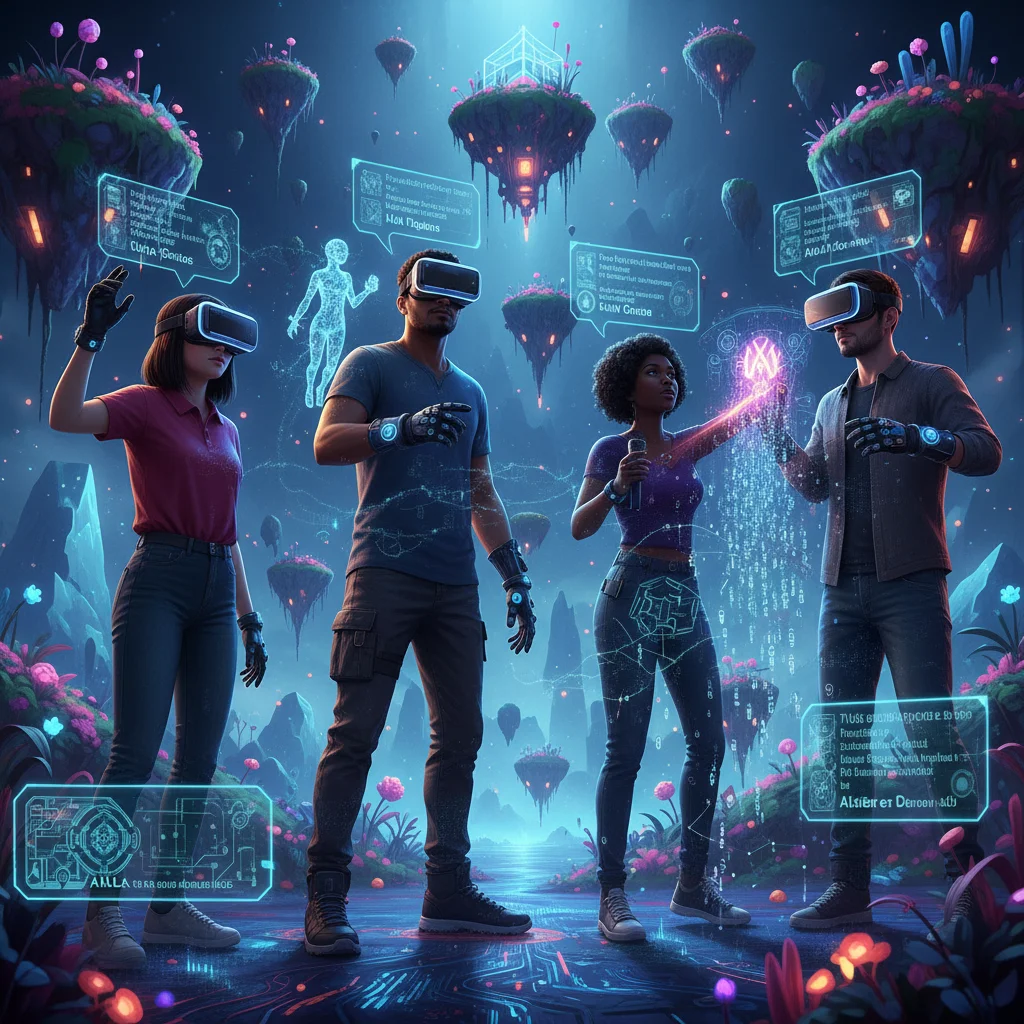
More Than Just Quest Givers: Intelligent AI Entities
Forget static NPCs that deliver repetitive dialogue. In 2026, AI companions will be sophisticated entities capable of:
- Intelligent Conversation: Engaging in natural language conversations, offering advice, sharing lore, or simply providing friendly banter. These AI will remember past interactions, creating a sense of personalized relationship.
- Collaborative Gameplay: Assisting players in complex tasks, acting as skilled teammates in co-op missions, or even filling in for absent human players in group activities, ensuring a smoother and more consistent experience.
- Community Facilitators: AI NPCs could act as virtual hosts for community events, guiding new players, organizing impromptu activities, or even resolving minor social conflicts, thereby augmenting human community managers.
- Content Generation: Some advanced AI could even contribute to community content, generating unique stories, challenges, or aesthetic elements based on player input and preferences, adding dynamic flair to shared spaces.
Enhancing Social Dynamics and Inclusivity
The integration of AI companions can significantly enhance social dynamics. For players who might feel shy or struggle with finding human connections, an intelligent AI companion can provide a stepping stone into broader community interactions. They can also fill gaps in social circles, ensuring that no player feels truly alone. Furthermore, AI companions can be programmed with diverse personalities and knowledge bases, contributing to a richer and more inclusive community tapestry. This trend is not about replacing human interaction but augmenting it, providing layers of companionship and support that were previously impossible. It’s a fascinating development in gaming community trends that promises to make virtual worlds feel even more alive and responsive.
4. Emergence of Decentralized, Player-Owned Communities (Web3 Gaming)
The principles of Web3 – decentralization, blockchain technology, and true digital ownership – are poised to revolutionize gaming community trends by 2026, leading to the emergence of decentralized, player-owned communities. This trend empowers players with unprecedented control and influence over the virtual spaces they inhabit and the assets they create or acquire.
Shifting Power from Developers to Players
In traditional gaming, developers hold ultimate control over game worlds, rules, and assets. Web3 gaming flips this paradigm:
- True Digital Ownership (NFTs): Players will genuinely own their in-game assets (skins, items, land, etc.) as Non-Fungible Tokens (NFTs) on a blockchain. This means they can buy, sell, trade, or even port these assets across compatible games or metaverse platforms, creating a real-world economy within the gaming ecosystem.
- Community Governance (DAOs): Many gaming communities will evolve into Decentralized Autonomous Organizations (DAOs). Members (often token holders) will have direct voting power on critical decisions, such as game updates, community rules, treasury management, and even the future direction of the game or platform. This fosters a sense of collective ownership and responsibility.
- Player-Driven Economies: Beyond just selling items, players will be able to create and monetize their own content, services, and experiences within these decentralized communities. This could include custom game modes, unique cosmetic items, or even running virtual businesses.
- Enhanced Transparency and Trust: Blockchain’s immutable ledger provides transparency regarding asset ownership, transaction history, and governance decisions, building a higher level of trust within the community.
Implications for Community Structure and Engagement
The shift to player-owned communities will fundamentally alter how these groups are structured and how players engage. It fosters a deeper sense of investment, as participants become stakeholders in the community’s success. This can lead to more passionate and dedicated communities, driven by shared governance and economic incentives. However, it also introduces complexities related to democratic decision-making, conflict resolution, and the technical literacy required for participation. Despite these challenges, the promise of true player empowerment makes decentralized communities one of the most transformative gaming community trends on the horizon.
5. The Rise of ‘Micro-Communities’ and Niche Interest Groups
While the metaverse promises expansive social hubs, another significant trend in 2026 will be the proliferation and strengthening of ‘micro-communities’ and highly niche interest groups. As the gaming population diversifies and games offer increasingly varied experiences, players will naturally gravitate towards smaller, more focused groups that align precisely with their specific passions and playstyles.
Moving Beyond Broad Guilds and Clans
Historically, communities often formed around large guilds or clans tied to a specific game. While these will still exist, the trend points towards a more granular level of community formation:
- Hyper-Specific Playstyles: Communities dedicated solely to speedrunning a particular game chapter, mastering a single character, exploring lore, or even engaging in specific role-playing scenarios will flourish. These groups are united by a very precise common goal or interest.
- Cross-Game Niche Interests: Players might form communities around a shared love for a specific game mechanic (e.g., crafting systems across different RPGs), a particular genre sub-category (e.g., ‘cozy farming sims’), or even a unique aesthetic style found across multiple titles.
- Support and Learning Groups: Beyond just gameplay, micro-communities will form for mutual support, learning, and skill development. This could include groups for new players, those struggling with a specific challenge, or aspiring content creators.
- Localized and Identity-Based Groups: While global communities are common, there will also be a resurgence and strengthening of localized groups (e.g., players from a specific city or region) or identity-based groups (e.g., LGBTQ+ gamers, parents who game), offering safer and more relatable spaces.
Tools for Niche Discovery and Connection
Platforms will evolve to facilitate the discovery and formation of these micro-communities. Advanced search filters, AI-driven recommendations (as discussed in Trend 1), and dedicated tools for group creation and management will make it easier for players to find their ‘tribe,’ no matter how niche their interest. This trend acknowledges that while some players thrive in large, bustling communities, many seek the intimacy, shared understanding, and focused discussion that only smaller, highly specialized groups can offer. It’s about quality over quantity in social connections, making these micro-communities a vital aspect of future gaming community trends.
Impact on Player Interaction and Social Dynamics
These five gaming community trends are not isolated phenomena; they are interconnected and will collectively reshape player interaction and social dynamics in profound ways. The most significant impacts include:
- Deeper and More Meaningful Connections: Hyper-personalization and micro-communities will reduce noise, allowing players to find and foster more genuine connections with like-minded individuals. The metaverse offers immersive environments for these bonds to flourish.
- Increased Inclusivity and Accessibility: AI-powered moderation creates safer spaces, while personalized recommendations help diverse players find their niche. The metaverse breaks down geographical barriers, and AI companions can offer support to those who might otherwise feel isolated.
- Empowered Player Agency: Decentralized communities give players a voice and ownership, making them active participants in shaping their virtual worlds rather than passive consumers. This shift fosters a stronger sense of responsibility and investment.
- Blurring Lines Between Game and Life: As communities become more personalized, immersive, and integrated with digital identity, the boundaries between a player’s in-game social life and their real-world social life will continue to blur. Gaming communities will become increasingly integral to many individuals’ social fabric.
- Evolution of Community Management: Community managers will transition from solely reactive moderation to proactive community building, leveraging AI tools and understanding decentralized governance to foster thriving ecosystems. Their role will become more strategic and focused on facilitating player empowerment.
The gaming world of 2026 will be one where every player can find their place, their people, and their purpose within a vast tapestry of interconnected, dynamic communities. The integration of advanced AI, the expansion of the metaverse, and the shift towards player-centric ownership are not just technological advancements; they are catalysts for a new era of social interaction in gaming, promising richer, more engaging, and more inclusive experiences for all.
Challenges and Considerations
While the future of gaming community trends appears bright with innovation, it’s essential to acknowledge the potential challenges and considerations that come with these advancements. The path to 2026 will not be without its hurdles, and addressing these proactively will be key to realizing the full potential of these emerging trends.
Data Privacy and Security
Hyper-personalization, while beneficial, relies heavily on the collection and analysis of vast amounts of player data. Ensuring the privacy and security of this data will be paramount. Companies must implement robust security measures and transparent data policies to build and maintain player trust. Misuse or breaches of personal information could severely undermine the positive aspects of personalized experiences.
Digital Divide and Accessibility
The advanced technologies driving these trends – high-fidelity metaverse experiences, sophisticated AI, and Web3 infrastructure – often require significant computational power, high-speed internet, and a certain level of technical literacy. This could inadvertently widen the digital divide, making it harder for players with limited resources or technical knowledge to fully participate in these evolving communities. Developers must strive for accessibility and ensure that core community experiences remain open to a broad audience.
Managing Decentralization and Governance
The shift to player-owned communities through DAOs introduces complex governance challenges. How are decisions made efficiently and fairly? How are disputes resolved? Preventing ‘whale’ dominance (where a few large token holders control decisions) and ensuring diverse representation will be crucial for the health and fairness of these communities. Crafting effective governance models will require careful thought and iterative refinement.
Combating Toxicity in New Forms
Even with AI-powered moderation, online toxicity remains a persistent problem. As communities become more personalized and immersive, new forms of harassment or exclusion could emerge. AI might help, but human oversight and community-driven norms will still be vital in fostering positive environments. The challenge will be to balance freedom of expression with the need for safety and respect, especially in decentralized spaces where moderation can be contentious.
Interoperability Standards and Fragmentation
For the metaverse to truly flourish as a cross-game social hub, significant progress needs to be made in establishing interoperability standards. Without common protocols for avatars, assets, and identities, the metaverse could become a collection of fragmented, walled gardens, limiting its potential for broad community connection. Industry-wide collaboration will be essential to overcome this.
Balancing AI Integration with Human Connection
While AI companions offer companionship and support, it’s important to ensure they augment, rather than replace, genuine human interaction. The core appeal of gaming communities lies in connecting with other people. Developers must carefully design AI roles to enhance social dynamics without creating an environment where players prefer AI over human connection, potentially leading to social isolation despite technological advancement.
Navigating these challenges will require a collaborative effort from game developers, platform providers, community leaders, and players themselves. By proactively addressing these considerations, the gaming industry can ensure that the exciting gaming community trends of 2026 lead to truly beneficial and sustainable social ecosystems for all.
Conclusion: The Future is Community-Driven
The journey towards 2026 reveals a future where gaming communities are more vibrant, personalized, and player-centric than ever before. The five trends we’ve explored – hyper-personalized experiences driven by AI, the metaverse as a central social hub, AI-powered companions, decentralized player-owned communities, and the rise of micro-communities – are converging to create a rich tapestry of social interaction. This evolution signifies a fundamental shift in how we perceive and engage with online gaming, moving beyond mere entertainment to a space of profound social connection and collective creativity.
These transformative gaming community trends are not just about new technologies; they are about empowering players, fostering deeper bonds, and creating virtual spaces that truly reflect the diverse interests and desires of a global gaming audience. As AI becomes more sophisticated, the metaverse more expansive, and ownership more decentralized, the possibilities for community building are limitless. The future of gaming is undeniably community-driven, promising an era where every player can find their voice, their tribe, and their ultimate gaming home.
Staying informed about these developments will be key for anyone involved in the gaming ecosystem. For players, it means understanding how to best leverage these new tools and spaces to enhance their experience. For developers and platform creators, it’s about innovating and building the infrastructure that supports and nurtures these evolving social dynamics. The next few years will be a thrilling period of growth and transformation, solidifying gaming communities as integral components of our digital lives.