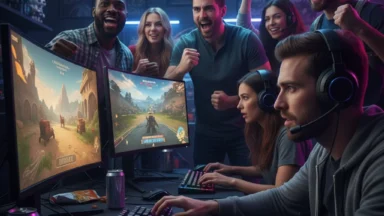
US Gamer Preferences 2026: Unveiling Future Gaming Trends and Statistics
The gaming landscape is an ever-evolving digital frontier, constantly reshaped by technological advancements, cultural shifts, and the dynamic desires of its vast player base. As we look towards 2026, understanding US gamer preferences becomes paramount for developers, publishers, marketers, and even casual observers eager to grasp the pulse of this multi-billion dollar industry. This comprehensive analysis delves deep into the latest statistics, revealing not just what American gamers are playing, but how, why, and what they expect from the future of interactive entertainment.
The United States remains a colossal market for video games, consistently demonstrating its influence on global trends. With an estimated hundreds of millions of active gamers, the sheer scale of engagement offers a rich tapestry of data points. Our exploration will cover key areas: platform dominance, genre popularity, monetization models, the impact of emerging technologies, and the socio-demographic shifts defining the modern American gamer. Prepare to unpack the intricacies of US gamer preferences in 2026, providing a clear roadmap for navigating the future of gaming.
The Shifting Sands of Platform Dominance: Console, PC, and Mobile in 2026
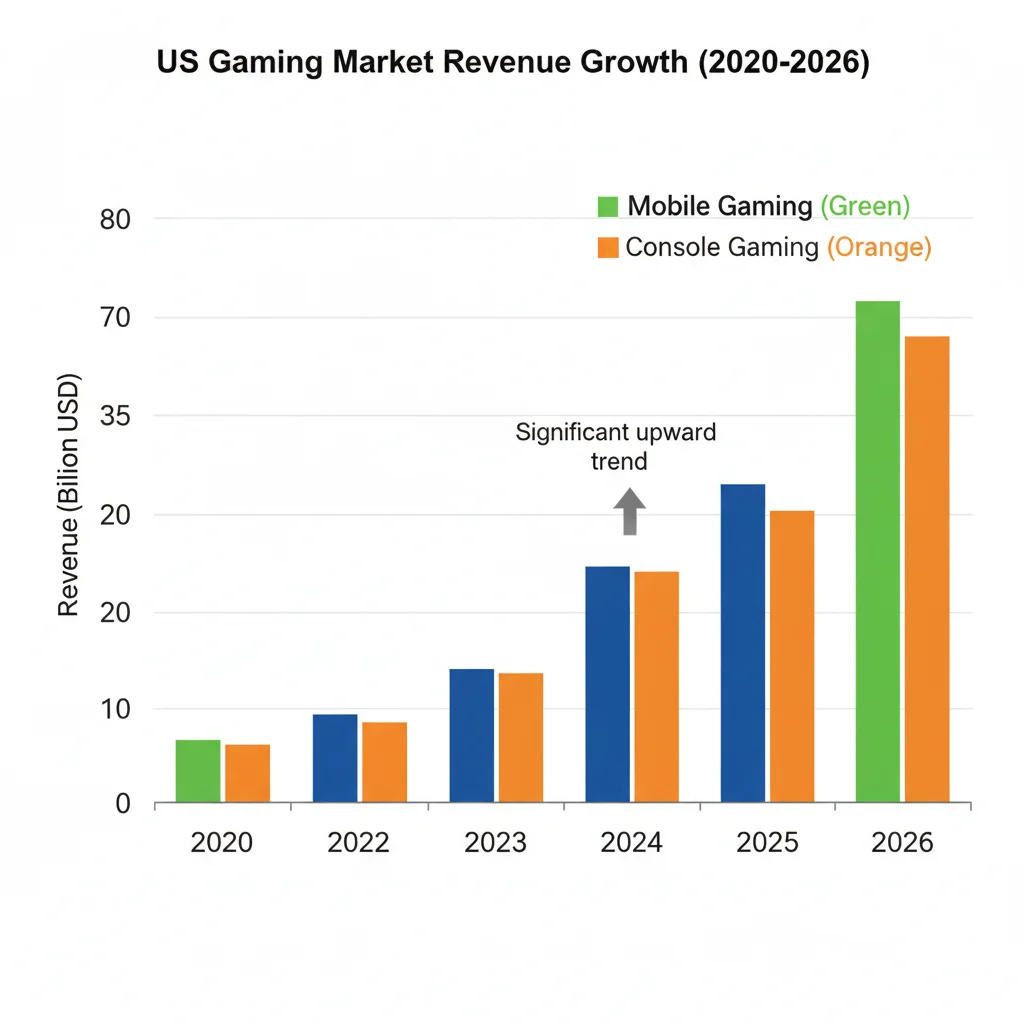
For decades, the debate over platform supremacy has raged: console versus PC. However, 2026 data on US gamer preferences paints a more nuanced picture, with mobile gaming firmly establishing itself as a dominant, if not the dominant, force. While dedicated gaming machines like PlayStation, Xbox, and high-end PCs continue to command significant market share, the accessibility and ubiquity of smartphones have democratized gaming to an unprecedented degree.
Mobile Gaming’s Unstoppable Ascent
Statistics from early 2026 indicate that over 70% of US adults engage in mobile gaming at least once a week. This isn’t just about casual puzzle games; the sophistication of mobile titles has grown exponentially, encompassing everything from competitive esports to narrative-driven RPGs. The convenience of gaming on the go, combined with increasingly powerful mobile hardware and subscription services, makes it an undeniable cornerstone of US gamer preferences. Developers are heavily investing in cross-platform play, bridging the gap between mobile and traditional gaming ecosystems, further solidifying its position.
Console Gaming: The Enduring Powerhouse
Despite mobile’s rise, console gaming remains incredibly robust. The latest generation of consoles, with their enhanced graphics, immersive experiences, and exclusive titles, continues to attract a dedicated fanbase. Data suggests that approximately 45% of US gamers primarily play on consoles. The social aspect of couch co-op, the spectacle of high-fidelity graphics on large screens, and the cultural cachet associated with major console releases ensure their continued relevance. Furthermore, the integration of cloud gaming services directly into console ecosystems is expanding their reach and appeal, offering more flexibility in how games are accessed and played.
PC Gaming: The Hub of Innovation and Performance
PC gaming, while perhaps representing a smaller percentage of the overall player base compared to mobile, continues to be a critical segment, especially for competitive esports, modding communities, and cutting-edge graphical experiences. Around 30% of US gamers identify PC as their primary platform. The flexibility of hardware customization, the precision of keyboard and mouse controls, and access to a vast library of games (many of which are exclusive to PC or thrive best on the platform) cater to a passionate niche. Cloud gaming services are also making PC gaming more accessible to those without high-spec machines, removing a significant barrier to entry and influencing US gamer preferences towards a broader PC ecosystem.
Genre Popularity: What Are US Gamers Playing in 2026?
Understanding genre popularity is crucial for identifying burgeoning trends and anticipating future hits. While perennial favorites endure, 2026 data reveals interesting shifts in US gamer preferences across various categories.
The Dominance of Live Service Games and Multiplayer Experiences
Live service games, characterized by continuous content updates, seasonal passes, and strong community elements, continue to dominate playtime. Titles in the Battle Royale, MOBA (Multiplayer Online Battle Arena), and MMORPG (Massively Multiplayer Online Role-Playing Game) genres consistently rank highest in engagement hours. The social aspect of these games, allowing players to connect with friends and compete globally, is a major driver of their success. This trend underscores a fundamental shift in US gamer preferences: a desire for ongoing engagement and shared experiences rather than purely finite, single-player narratives.
RPG and Adventure Games: Narrative Immersion Endures
Despite the prevalence of multiplayer, the demand for rich, immersive single-player experiences, particularly within the RPG and adventure genres, remains strong. Gamers are increasingly seeking deep narratives, expansive worlds, and meaningful player choices. The success of critically acclaimed single-player titles in early 2026 demonstrates that while multiplayer offers connection, a compelling story and world-building can still capture the hearts and minds of millions of US gamers. This highlights a balanced appetite within US gamer preferences for both social interaction and solitary immersion.
Simulation and Lifestyle Games: The Rise of Virtual Escapism
The simulation and lifestyle genres, encompassing everything from city builders to life simulators and even virtual pet games, have seen a significant surge in popularity. This trend is partly fueled by the desire for creative expression, relaxation, and a sense of control in virtual environments. These games often offer low-stress, high-engagement loops, appealing to a broad demographic looking for an escape or a creative outlet. The casual yet deeply engaging nature of these titles is a growing component of US gamer preferences.
Monetization Models and Consumer Spending Habits in 2026
How gamers spend their money is as indicative of their preferences as what they play. In 2026, the landscape of monetization is diverse, with several models coexisting and evolving to meet varying consumer expectations.
The Ubiquity of Microtransactions and In-Game Purchases
Microtransactions, including cosmetic items, battle passes, and convenience features, remain a primary revenue stream for many popular titles. While initially met with skepticism, these models have become largely normalized, especially within free-to-play games and live service titles. Data shows that a significant portion of US gamers are willing to spend on in-game content that enhances their experience, provides personalization, or offers a competitive edge. Transparency and value remain key; predatory monetization practices are quickly identified and often result in community backlash, indicating that US gamer preferences lean towards fair and rewarding systems.
The Growing Appeal of Subscription Services
Subscription services, offering access to a vast library of games for a monthly fee, have become incredibly popular. Services like Xbox Game Pass, PlayStation Plus, and various PC gaming subscriptions provide immense value, allowing gamers to explore new titles without the upfront cost of individual purchases. This model significantly influences US gamer preferences by reducing financial barriers to entry and encouraging experimentation across genres and platforms. The inclusion of day-one releases on these services is a particularly strong draw.
Premium Game Sales (Full-Price Titles): Still a Cornerstone
Despite the rise of subscriptions and microtransactions, premium, full-price game sales continue to be a vital part of the market. Highly anticipated single-player blockbusters and innovative multiplayer experiences still command significant sales figures. Gamers are willing to pay a premium for high-quality, polished experiences that offer deep engagement and replayability. This indicates a bifurcation in US gamer preferences: a desire for both accessible, broad content through subscriptions and high-fidelity, curated experiences through traditional purchases.
Emerging Technologies Shaping US Gamer Preferences
Innovation is the lifeblood of the gaming industry, and several emerging technologies are poised to significantly impact US gamer preferences in the coming years.
Virtual Reality (VR) and Augmented Reality (AR): Beyond Novelty
While still a niche market, VR and AR technologies are slowly but steadily gaining traction. Improved hardware, more compelling content, and reduced costs are making these immersive experiences more accessible. In 2026, VR is no longer just a novelty; it offers genuinely transformative gaming experiences, particularly in genres like horror, simulation, and exploration. AR, while less focused on dedicated gaming hardware, is enhancing mobile gaming and offering new ways to interact with the real world through play. As these technologies mature, they will undoubtedly carve out a larger share of US gamer preferences.
Cloud Gaming: Gaming Anywhere, Anytime
Cloud gaming, or game streaming, is rapidly overcoming its initial technical hurdles. With faster internet speeds and more robust infrastructure, the ability to stream high-fidelity games to almost any device—be it a smart TV, laptop, or smartphone—is becoming a reality for millions. This technology fundamentally changes how and where people game, potentially dissolving traditional platform boundaries and making gaming more fluid and ubiquitous. The convenience and accessibility offered by cloud gaming are powerful drivers in shaping future US gamer preferences.
AI in Gaming: Enhanced Experiences and Dynamic Content
Artificial intelligence is no longer just about smarter NPCs. In 2026, AI is being leveraged to create more dynamic game worlds, personalize player experiences, and even assist in game development. Adaptive AI can adjust difficulty in real-time, generate unique content, and create more believable non-player characters, leading to richer and more engaging gameplay. As AI becomes more sophisticated, it will enable experiences previously unimaginable, directly influencing the quality and depth that US gamer preferences come to expect.
Socio-Demographic Shifts: Who Are US Gamers in 2026?
The stereotype of the young, male gamer is increasingly outdated. 2026 data paints a picture of a diverse and inclusive gaming community, reflecting broader societal trends.
Age and Gender Diversity
The average age of a US gamer continues to rise, with a significant portion of the player base now in their 30s and 40s. Furthermore, the gender gap in gaming has significantly narrowed, with women comprising nearly half of all gamers. This demographic shift has profound implications for game design, marketing, and the types of content being produced. Developers are increasingly creating games that appeal to a wider audience, moving beyond traditional tropes and embracing diverse narratives and gameplay mechanics to cater to evolving US gamer preferences.
Accessibility and Inclusivity
There’s a growing emphasis on accessibility in game design, addressing the needs of players with disabilities. Features like customizable controls, colorblind modes, and robust subtitle options are becoming standard, reflecting a commitment to inclusivity. This focus not only broadens the market but also enhances the experience for all players. The demand for inclusive design is a strong and positive trend in US gamer preferences.
Gaming as a Social Hub
For many, gaming is primarily a social activity. Voice chat, in-game social features, and dedicated gaming communities play a crucial role in player engagement. The rise of streamers and content creators further amplifies this, turning gaming into a spectator sport and a communal experience. This social dimension is a significant driver of US gamer preferences, fostering strong communities around shared gaming interests.
The Impact of Esports and Content Creation
Esports and content creation (streaming, YouTube videos) are no longer fringe activities; they are integral components of the gaming ecosystem, significantly influencing US gamer preferences.
Esports: From Niche to Mainstream Entertainment
Esports continues its meteoric rise, attracting millions of viewers and substantial investments. Professional gaming leagues, celebrity players, and massive prize pools have transformed competitive gaming into a legitimate spectator sport. This phenomenon influences US gamer preferences by highlighting competitive titles and fostering a desire for skill mastery and community engagement around high-level play. Many aspiring gamers look to esports professionals for inspiration, driving interest in specific genres and titles.
Content Creators: The New Gatekeepers of Influence
Streamers and YouTubers wield immense influence over US gamer preferences. Their recommendations, gameplay videos, and community interactions can make or break a game. Developers actively engage with content creators, recognizing their power to shape public opinion and drive sales. The parasocial relationships viewers form with their favorite creators mean that these personalities often act as trusted guides in the vast ocean of new releases, directly impacting what games gain traction.
Challenges and Opportunities in the 2026 Gaming Landscape
While the future of gaming in the US looks bright, there are inherent challenges and significant opportunities that will shape US gamer preferences.
Maintaining Player Engagement and Preventing Burnout
With an abundance of high-quality games and constant new releases, player burnout is a real concern. Developers face the challenge of creating engaging content that retains players without demanding excessive time or financial investment. Balancing new content with player well-being will be crucial for long-term success, influencing US gamer preferences towards games that respect their time and offer meaningful progression.
Ethical Considerations: Data Privacy and Responsible Gaming
As gaming becomes more integrated into daily life, ethical considerations around data privacy, in-game addiction, and responsible monetization practices are gaining prominence. Gamers are increasingly aware of their digital rights and expect companies to uphold high ethical standards. Transparency and player-centric policies will be vital for building trust and influencing positive US gamer preferences.
The Metaverse and Interoperability
The concept of the metaverse—a persistent, interconnected virtual world—is slowly taking shape. While a fully realized metaverse is still some years away, early iterations are already influencing gaming. The desire for interoperability between games and platforms, allowing assets and identities to transfer seamlessly, is a growing demand. As gaming moves towards more interconnected experiences, US gamer preferences will increasingly lean towards open, collaborative, and persistent virtual environments.
Conclusion: The Dynamic Future of US Gamer Preferences
The year 2026 presents a vibrant and complex picture of US gamer preferences. Mobile gaming continues its surge, while consoles and PCs retain their dedicated followings, each offering unique strengths. Live service games and immersive RPGs dominate playtime, supported by diverse monetization models like subscriptions and microtransactions. Emerging technologies such as VR, cloud gaming, and AI are not just buzzwords but tangible forces reshaping how games are made and consumed.
Crucially, the American gaming community is more diverse and inclusive than ever, reflecting broader societal changes and demanding more accessible and representation-rich content. Esports and content creators play an undeniable role in influencing trends and fostering community. As we navigate this exciting future, understanding these evolving preferences will be key for anyone looking to innovate, engage, and succeed in the dynamic world of gaming.
The industry’s ability to adapt to these shifts, embrace ethical practices, and leverage technological advancements will determine the next era of interactive entertainment. For US gamers, 2026 is just the beginning of an even more immersive, connected, and diverse gaming experience.