
In the dynamic and ever-evolving landscape of video games, the thrill of new releases, competitive esports, and immersive virtual worlds often consumes countless hours for dedicated players across the United States. While gaming offers unparalleled entertainment, social connection, and even cognitive benefits, there’s a growing, yet often overlooked, challenge lurking beneath the surface of this exciting hobby: gamer burnout prevention. This phenomenon, characterized by emotional exhaustion, reduced performance, and a cynical attitude towards gaming, can quickly transform a beloved pastime into a source of stress and frustration. As we look towards 2026 and beyond, understanding and actively combating gamer burnout is crucial for sustained engagement and enjoyment in the gaming world.
Gamer burnout is more than just feeling tired after a long session; it’s a profound sense of disillusionment that can lead players to abandon games they once loved, or even quit gaming altogether. The relentless grind of competitive titles, the pressure to perform, the constant influx of new content, and the blurring lines between leisure and obligation can all contribute to this draining state. For US gamers, who are often at the forefront of gaming culture and innovation, recognizing the signs and implementing proactive strategies is paramount. This comprehensive guide will delve into five essential proactive strategies designed to help you, the dedicated gamer, navigate the challenges of the modern gaming landscape, ensuring your passion remains vibrant and your enjoyment sustained for years to come.
We’ll explore actionable steps, from mindful gaming practices to fostering healthy communities, all aimed at helping you achieve a balanced and fulfilling gaming life. By understanding the root causes of burnout and adopting preventative measures, you can continue to immerse yourself in virtual adventures without sacrificing your well-being. Let’s embark on this journey to master the art of sustainable gaming and ensure that your love for video games endures.
Understanding the Pervasiveness of Gamer Burnout
Before we dive into solutions for gamer burnout prevention, it’s essential to fully grasp the scope and impact of this issue. Gaming, particularly competitive gaming or games-as-a-service models, often demand significant time and emotional investment. The pursuit of higher ranks, rare loot, or completing extensive battle passes can shift from enjoyable challenges to tedious chores. This constant demand can lead to a feeling of obligation rather than recreation. Many US gamers, especially those involved in esports or content creation, face external pressures to perform, maintain viewership, or keep up with community expectations. This added layer of stress can accelerate the onset of burnout.
Symptoms of gamer burnout often mirror those of professional burnout: chronic fatigue, irritability, a loss of enjoyment in previously engaging activities, and a sense of detachment. A gamer experiencing burnout might find themselves logging on out of habit rather than desire, feeling resentful towards the game, or even experiencing physical symptoms like headaches, eye strain, and poor sleep. The social aspect of gaming, while often a positive, can also contribute to burnout if players feel obligated to play with friends or guild members even when they don’t feel like it. The always-on nature of online gaming means there’s rarely a definitive ‘end’ point, making it difficult for players to naturally disengage and recharge.
Moreover, the sheer volume of new releases and updates can create a fear of missing out (FOMO), pressuring gamers to constantly switch titles or dedicate more time to stay current. This fragmented attention and constant learning curve can be mentally exhausting. Recognizing these underlying factors is the first step toward effective gamer burnout prevention. It’s not about playing less, but about playing smarter and more mindfully, ensuring that gaming remains a source of joy and not a burden.
Strategy 1: Implement Structured Play and Break Schedules
One of the most effective strategies for gamer burnout prevention is to establish clear boundaries for your gaming sessions. Unlike traditional hobbies that often have natural stopping points, online games can be endless. This makes it easy to lose track of time and push yourself beyond healthy limits. Implementing structured play and break schedules can reintroduce balance and control into your gaming habits.
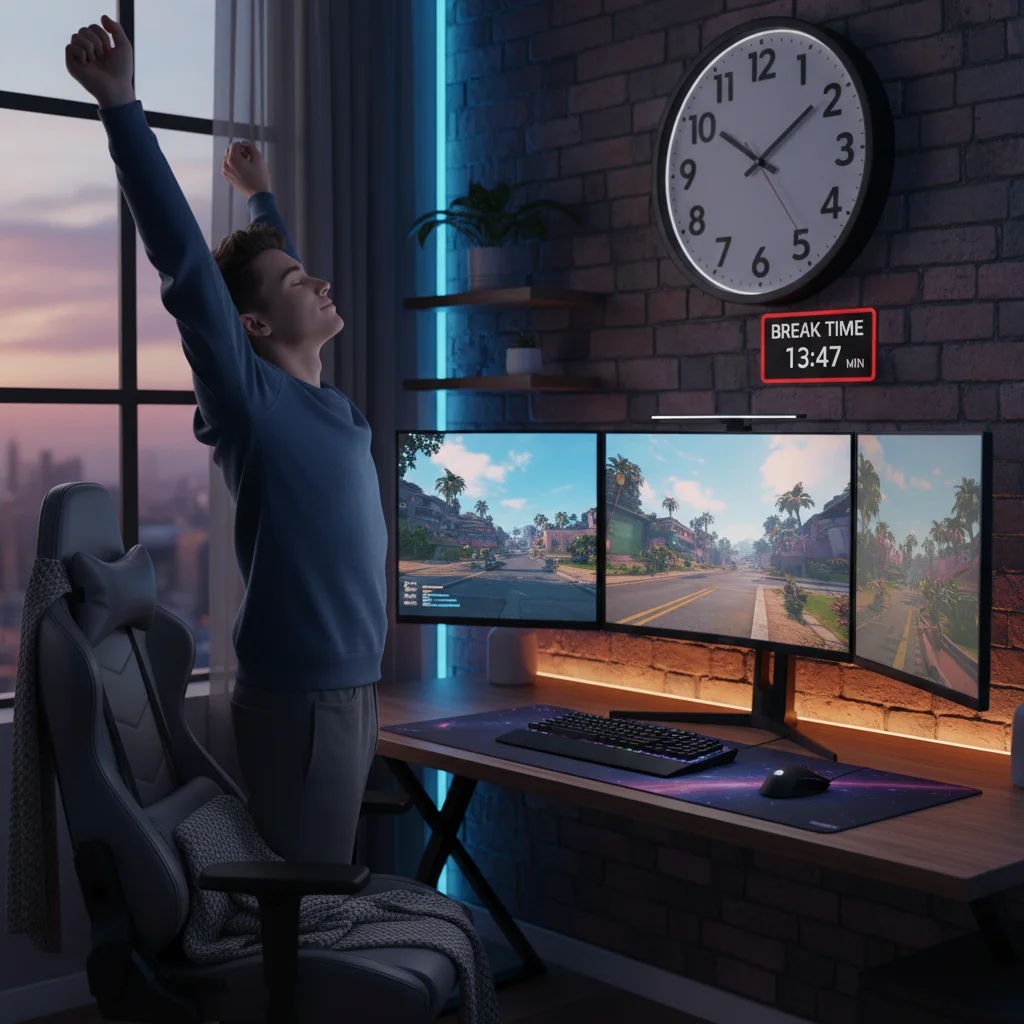
Start by setting specific time limits for your gaming sessions. For example, instead of playing ‘until you’re tired,’ decide to play for two hours, then take a mandatory 30-minute break. During these breaks, step away from your screen. Engage in a completely different activity: stretch, walk around, grab a snack, talk to a family member, or even do a quick chore. This allows your eyes to rest, your mind to reset, and prevents the cumulative fatigue that often leads to burnout. Think of these breaks as mandatory pit stops in a long race – they’re essential for sustained performance and well-being.
Consider using timers or apps that remind you to take breaks. Many gaming platforms and operating systems now offer features to track screen time, which can be invaluable for monitoring your habits. Furthermore, try to avoid marathon sessions, especially on days leading up to important commitments. While an occasional all-nighter might be fun, making it a regular practice is a fast track to burnout. Consistency in your schedule helps regulate your energy levels and ensures that gaming remains a refreshing activity rather than a draining one. This disciplined approach to gaming time management is a cornerstone of effective gamer burnout prevention.
It’s also beneficial to vary your gaming activities. If you spend most of your time in high-intensity competitive games, balance it with more relaxed, story-driven, or creative titles. Switching genres can reduce the mental strain associated with constant competition and introduce different forms of enjoyment. This strategic rotation of games, combined with structured breaks, forms a robust defense against the creeping effects of burnout.
Strategy 2: Diversify Your Hobbies and Interests Beyond Gaming
While gaming can be a fulfilling hobby, making it your sole source of entertainment and social interaction can inadvertently increase the risk of gamer burnout prevention. A crucial strategy is to cultivate a diverse range of interests and hobbies outside of the virtual world. This provides essential mental and emotional breaks from gaming and enriches your life in multifaceted ways.
Engaging in non-gaming activities offers perspective and helps you appreciate gaming more when you return to it. Think about activities that engage different parts of your brain or body. This could include physical activities like hiking, cycling, or going to the gym, which are excellent for physical health and stress relief. Creative pursuits such as drawing, writing, playing a musical instrument, or cooking can stimulate different cognitive functions and provide a sense of accomplishment outside of in-game achievements. Reading books, watching films, or learning a new skill can also offer a refreshing change of pace.
The benefits of diversifying your interests extend beyond just preventing burnout. It broadens your social circle, exposes you to new experiences, and can even improve your problem-solving skills which might, surprisingly, translate back into your gaming. When gaming is not your only outlet, the pressure to derive all satisfaction and meaning from it diminishes, making it easier to step away when you feel overwhelmed. This strategy is not about reducing your love for gaming, but about building a more resilient and balanced lifestyle where gaming is a cherished component, not the entire foundation.
For US gamers, who often have access to a wide array of cultural and recreational opportunities, exploring local clubs, classes, or outdoor activities can be incredibly rewarding. Even simple acts like spending time in nature or pursuing a craft can significantly contribute to overall well-being and act as a powerful buffer against the intensity of modern gaming. By nurturing a rich tapestry of interests, you ensure that gaming remains a choice driven by genuine desire, rather than an obligation born out of a lack of alternatives, thus bolstering your efforts in gamer burnout prevention.
Strategy 3: Foster Healthy Gaming Communities and Social Interactions
Gaming is inherently social, and the communities formed around games can be a double-edged sword. While positive interactions can enhance enjoyment, toxic environments or excessive social pressure can accelerate gamer burnout prevention. Cultivating healthy gaming communities and engaging in positive social interactions is vital for long-term gaming satisfaction.
Actively seek out and participate in communities that align with your values and offer supportive, constructive environments. This might mean joining a different guild, finding a new Discord server, or curating your friend list to include players who uplift rather than drain you. Avoid communities rife with negativity, excessive criticism, or those that promote unhealthy gaming habits. Remember, you have control over who you interact with and the spaces you occupy online.
Prioritize quality over quantity in your online social interactions. Instead of feeling obligated to play with everyone, focus on a core group of friends with whom you genuinely enjoy spending time. These relationships can provide emotional support, shared laughter, and a sense of belonging, which are powerful antidotes to feelings of isolation or frustration that can accompany burnout. Communicate openly with your gaming friends about your needs; if you’re feeling tired or need a break, a true friend will understand and support you.
Furthermore, learn to disengage from toxic situations. This includes muting disruptive players, leaving voice chats when arguments arise, or simply stepping away from a game if the community experience becomes too negative. Your mental well-being is more important than any in-game objective or social obligation. For US gamers, who are part of vast online ecosystems, utilizing privacy settings and reporting tools can also help maintain a healthier environment.
Encourage positive communication within your groups. Celebrate successes, offer constructive feedback rather than harsh criticism, and focus on team play and enjoyment rather than solely on individual performance or winning at all costs. A healthy gaming community acts as a protective layer against the stressors of competitive play and contributes significantly to effective gamer burnout prevention. When gaming with friends is a source of joy and camaraderie, rather than pressure, your passion for it will naturally endure.

Strategy 4: Practice Mindfulness and Self-Reflection in Gaming
Mindfulness is a powerful tool for gamer burnout prevention, encouraging you to be present and aware of your thoughts, feelings, and physical sensations during gaming. Often, gamers can get so lost in the pursuit of objectives that they lose touch with their own well-being. Self-reflection involves regularly checking in with yourself about your gaming habits and their impact on your life.
Before, during, and after a gaming session, take a moment to ask yourself: “Am I enjoying this?” “Am I feeling stressed or relaxed?” “Is this adding to my life or taking away from it?” These simple questions can provide valuable insights into your current state and help you make conscious decisions about how you spend your gaming time. If you notice signs of frustration, anger, or fatigue creeping in, it’s a clear signal to take a break or switch to a different activity.
Mindful gaming also involves appreciating the game itself – the art, the story, the mechanics – rather than solely focusing on winning or progression. Sometimes, just exploring a beautiful virtual world or experimenting with a new game mechanic can reignite your passion. This shift in focus from outcome to process can significantly reduce pressure and enhance enjoyment. For US gamers, accustomed to a fast-paced, achievement-oriented culture, this might require a conscious effort to slow down and savor the experience.
Journaling about your gaming experiences can also be a profound form of self-reflection. Write down what you enjoyed, what frustrated you, and how you felt physically and mentally after a session. Over time, patterns might emerge, helping you identify triggers for burnout and develop personalized coping strategies. This conscious engagement with your gaming habits transforms gaming from a passive consumption of content into an active, self-aware pursuit. By regularly practicing mindfulness and self-reflection, you gain a deeper understanding of your relationship with gaming, empowering you to make healthier choices and effectively implement gamer burnout prevention techniques.
Remember, the goal isn’t to eliminate challenging experiences from gaming, but to develop the awareness and tools to navigate them without succumbing to burnout. This internal work is just as important as external strategies like scheduling breaks or diversifying hobbies.
Strategy 5: Prioritize Physical and Mental Well-being
Ultimately, effective gamer burnout prevention is deeply intertwined with overall physical and mental well-being. Gaming is a sedentary activity that can strain the body and mind if not balanced with healthy lifestyle choices. Prioritizing your health outside of gaming will create a strong foundation that makes you more resilient to burnout.
Adequate Sleep: This is non-negotiable. Chronic sleep deprivation severely impacts cognitive function, mood, and physical energy – all crucial for enjoying gaming and avoiding irritability. Establish a consistent sleep schedule, aim for 7-9 hours per night, and avoid gaming too close to bedtime, as screen light can disrupt melatonin production. For competitive US gamers, optimal sleep is a performance enhancer, not just a health necessity.
Nutritious Diet: Fueling your body with healthy foods provides sustained energy and supports brain function. While quick snacks are convenient, a diet rich in fruits, vegetables, lean proteins, and whole grains can significantly improve focus and reduce fatigue. Sugary drinks and processed foods can lead to energy crashes, making you more susceptible to burnout. Hydration is also key; keep a water bottle handy during gaming sessions.
Regular Exercise: Incorporate physical activity into your daily routine. Exercise not only improves physical health but is also a powerful stress reliever and mood booster. Even short walks, stretching, or light workouts can make a significant difference. Counteracting the sedentary nature of gaming with movement is vital for preventing physical discomfort and mental stagnation.
Eye Health and Ergonomics: Long hours in front of a screen can lead to eye strain and musculoskeletal issues. Follow the 20-20-20 rule (every 20 minutes, look at something 20 feet away for 20 seconds). Invest in a comfortable, ergonomic gaming chair and ensure your monitor is at eye level. Proper posture can prevent back and neck pain, allowing you to game comfortably for longer periods when you choose to.
Stress Management: Beyond gaming, life itself can be stressful. Develop healthy coping mechanisms for stress, such as meditation, deep breathing exercises, spending time with loved ones, or engaging in your diverse hobbies. Having outlets for stress ensures that gaming doesn’t become the only escape, preventing it from bearing the full emotional load and thus reducing the risk of burnout.
By consciously integrating these well-being practices into your daily life, you build a robust defense against gamer burnout prevention. A healthy body and mind are more capable of handling the demands of gaming, ensuring that your passion remains a source of joy and excitement, rather than exhaustion.
Conclusion: Sustaining Your Passion for Gaming Through 2026 and Beyond
The world of gaming is an incredible realm of adventure, competition, and community. For US gamers, it offers boundless opportunities for entertainment and connection. However, the intensity and demands of modern gaming can, without proper care, lead to the draining experience of gamer burnout prevention. As we’ve explored, this isn’t an inevitable outcome but a challenge that can be overcome with conscious effort and strategic planning.
By implementing structured play and break schedules, diversifying your interests beyond the virtual world, fostering healthy and supportive gaming communities, practicing mindfulness and self-reflection, and prioritizing your overall physical and mental well-being, you can build a resilient and sustainable gaming lifestyle. These five proactive strategies are not just about avoiding the negative aspects of gaming; they are about enhancing the positive ones, ensuring that your passion remains vibrant, your engagement meaningful, and your enjoyment sustained for years to come.
Remember, gaming should be a source of joy and enrichment, not stress or obligation. Taking control of your gaming habits and actively working towards preventing burnout allows you to continue exploring new worlds, conquering challenges, and connecting with friends without sacrificing your health or happiness. Embrace these strategies, listen to your body and mind, and continue to find immense satisfaction in the dynamic and exciting universe of video games. Here’s to many more years of joyful gaming, free from the shadows of burnout!