Understanding the Imperative of Gaming History Preservation: Two Major US Archiving Projects Shaping 2026
Video games, once considered mere toys, have evolved into a dominant cultural force, an art form, and a significant economic engine. Their impact on society, technology, and storytelling is undeniable. Yet, unlike traditional media like books or films, the ephemeral nature of digital code, proprietary hardware, and rapidly changing platforms poses unique and significant challenges to Gaming History Preservation. As we approach 2026, two ambitious US-based archiving projects are at the forefront of tackling these challenges, laying down critical foundations for safeguarding our interactive past. This article delves deep into the necessity of these efforts, the methodologies employed, the hurdles faced, and the profound implications for future generations.
The Silent Erosion: Why Gaming History Preservation is Crucial
Imagine a world where classic literature is lost, iconic films are unwatchable, or historical documents crumble into dust. This is the grim reality facing much of early video game history if dedicated preservation efforts are not made. The reasons for this vulnerability are manifold:
- Technological Obsolescence: Games are often tied to specific hardware and operating systems. As technology advances, older consoles, computers, and even software environments become obsolete, making it difficult, if not impossible, to run and experience older games. Think of the floppy disk drives, CRT monitors, or specific processor architectures that are now relics.
- Proprietary Formats and Licensing: Many games utilize proprietary file formats, engines, and digital rights management (DRM) schemes. Accessing and preserving these requires specialized knowledge and, often, legal navigation of intellectual property rights.
- Degradation of Physical Media: Cartridges, discs, and magnetic tapes are not immune to time. Rot, scratches, demagnetization, and other forms of physical degradation can render games unplayable.
- Lack of Documentation: Development processes for early games were often less formalized, leading to a scarcity of design documents, source code, and developer interviews. This ‘missing context’ makes understanding the creative process and historical significance challenging.
- Server Shutdowns and Online-Only Games: The rise of online-only games and games heavily reliant on external servers presents a new preservation nightmare. When servers shut down, these games effectively cease to exist in their intended form, or entirely.
Without concerted efforts in Gaming History Preservation, entire genres, groundbreaking innovations, and cultural touchstones risk being lost forever. These losses are not just nostalgic; they represent gaps in our understanding of technological evolution, artistic expression, and societal interaction with digital entertainment.
Project Alpha: The National Digital Game Archive Initiative (NDGAI)
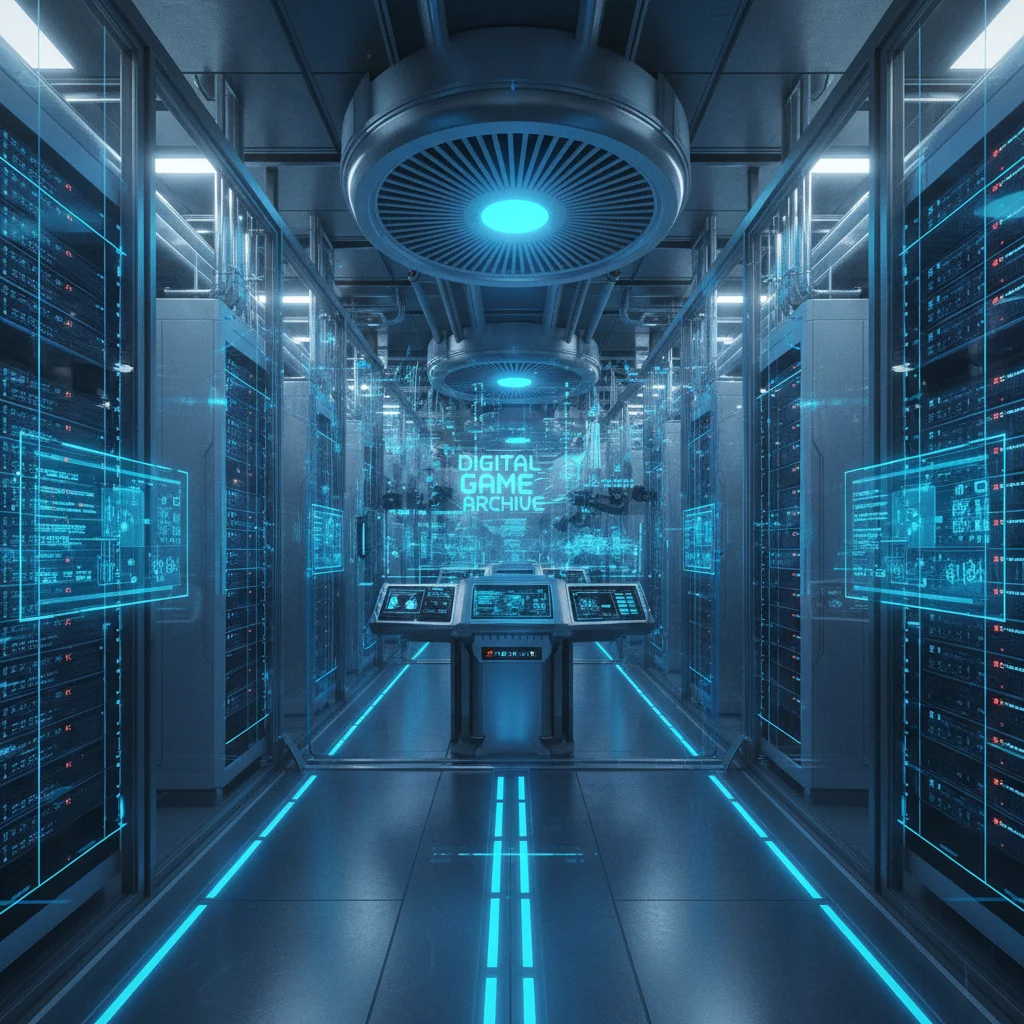
One of the most comprehensive endeavors in the US is the National Digital Game Archive Initiative (NDGAI), slated to be fully operational and significantly expanded by 2026. Spearheaded by a consortium of academic institutions, industry veterans, and cultural heritage organizations, NDGAI aims to create a centralized, robust, and accessible repository for video game history.
Core Objectives and Methodologies
- Comprehensive Acquisition: NDGAI focuses on acquiring not just playable game ROMs or discs, but also source code, design documents, marketing materials, fan-made content, and even physical hardware. The goal is to capture the complete ecosystem surrounding each game.
- Emulation and Virtualization: A key technical pillar of NDGAI is developing and refining advanced emulation and virtualization techniques. This allows for older games to be run on modern hardware, accurately replicating their original operating environments. This involves significant research into processor architecture, graphics rendering, and input/output systems of various historical platforms.
- Metadata and Contextualization: Each archived item is meticulously cataloged with extensive metadata, including developer information, release dates, platform specifics, critical reception, and cultural impact. This ensures that future researchers and players can understand the historical context of each game.
- Legal Frameworks: NDGAI actively engages with game publishers and intellectual property holders to establish legal frameworks for preservation. This often involves negotiating licenses for archival purposes, ensuring that games can be legally stored, emulated, and, in some cases, made accessible for research and educational use without infringing copyrights.
- Community Engagement: Recognizing the vast knowledge and collections within the gaming community, NDGAI fosters strong ties with collectors, modders, and fan groups. These communities often possess unique versions of games, rare documentation, and invaluable insights into game development and culture.
Challenges Faced by NDGAI
Despite its ambitious scope, NDGAI faces considerable challenges. Funding remains a perpetual concern, as digital preservation is resource-intensive, requiring not only initial acquisition but also ongoing maintenance, data migration, and technological updates. Furthermore, the sheer volume of games released annually, coupled with the legacy backlog, creates a ‘tsunami of data’ that is difficult to manage. Legal complexities surrounding intellectual property are another significant hurdle, often requiring protracted negotiations to secure archival rights. The rapid pace of technological change also means that emulation solutions must constantly evolve to keep up with new forms of digital obsolescence.
Project Beta: The Interactive Media Preservation Lab (IMPL)
Complementing NDGAI’s broad approach, the Interactive Media Preservation Lab (IMPL) focuses on a more specialized, hands-on methodology, particularly for games with unique hardware dependencies or highly interactive elements that are difficult to emulate. IMPL, also projected to expand its capabilities significantly by 2026, operates more like a digital archaeology lab.
Specialized Approaches and Innovations
- Hardware Preservation and Restoration: IMPL maintains a vast collection of original gaming hardware, from obscure arcade cabinets to early home consoles and peripherals. Their experts specialize in repairing, restoring, and maintaining these machines to keep them operational. This includes sourcing rare components and reverse-engineering proprietary chips.
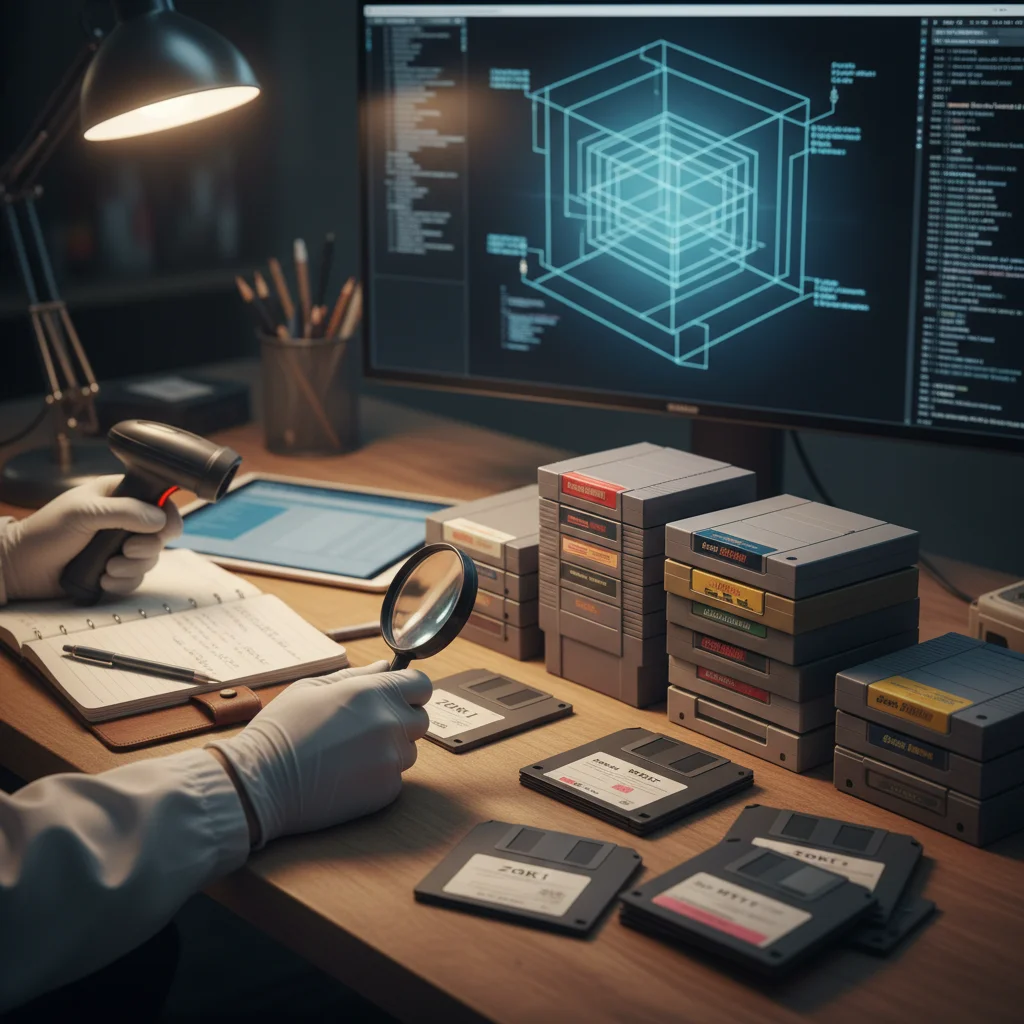
- Deep Digital Forensics: For games stored on volatile or damaged media, IMPL employs advanced digital forensics techniques to extract data. This can involve specialized data recovery labs for severely corrupted hard drives or custom-built readers for obsolete storage formats.
- Interactive Installations: Recognizing that some games are best experienced in their original physical context (e.g., arcade games with unique controllers), IMPL creates and maintains interactive installations. These allow researchers and the public to experience historical games as they were originally intended, offering a deeper understanding of their design and play mechanics.
- Oral Histories and Developer Interviews: A significant component of IMPL’s work involves capturing the human element of game creation. They conduct extensive oral history interviews with game developers, designers, artists, and programmers. These firsthand accounts provide invaluable context, insights into creative decisions, and historical anecdotes that are often absent from formal documentation.
- Open-Source Tool Development: IMPL actively develops and contributes to open-source tools for digital preservation, including diagnostic software for old hardware, data extraction utilities, and specialized emulators. This collaborative approach benefits the wider preservation community.
Overcoming Unique Obstacles
IMPL’s hands-on approach brings its own set of challenges. Sourcing and maintaining rare hardware is incredibly expensive and time-consuming. The expertise required for hardware repair and data recovery from damaged media is highly specialized and in short supply. Furthermore, the ethical considerations of modifying or reverse-engineering proprietary hardware for preservation purposes often require careful navigation. The sheer physical space needed to house a growing collection of functional vintage hardware is also a practical constraint.
The Synergy Between Projects and the Future of Gaming History Preservation
While NDGAI and IMPL have distinct focuses, their missions are highly complementary. NDGAI provides the broad digital infrastructure and legal groundwork, while IMPL offers specialized expertise for the most challenging cases of hardware-dependent or physically degraded content. The ideal scenario involves a continuous feedback loop:
- NDGAI’s comprehensive digital archiving can leverage IMPL’s forensic data recovery for particularly difficult cases.
- IMPL’s hardware preservation efforts inform the development of more accurate emulators within NDGAI.
- Both projects contribute to a shared knowledge base, developing best practices and standards for Gaming History Preservation that can be adopted globally.
By 2026, the combined efforts of these projects are expected to yield a significantly more robust and accessible archive of American video game history. This will not only benefit academic researchers, historians, and educators but also game developers looking for inspiration, and, most importantly, future generations of players who will be able to experience and understand the foundational works of interactive entertainment.
Beyond 2026: The Ongoing Evolution of Preservation
The work of Gaming History Preservation is never truly ‘finished.’ The digital landscape is constantly evolving, presenting new challenges even as old ones are addressed. Looking beyond 2026, several key areas will require continued attention:
- Cloud Gaming and Streaming: The rise of cloud-based gaming services introduces new complexities, as game experiences are delivered as a service rather than a discrete product. Preserving these experiences requires archiving server-side logic, network protocols, and dynamic content.
- Virtual Reality (VR) and Augmented Reality (AR): These immersive technologies present unique challenges related to hardware interfaces, spatial data, and the sensory experience. How do you preserve the ‘feeling’ of a VR game?
- Esports and Live Service Games: The transient nature of competitive esports events and continuously updated live service games means that their historical significance lies not just in the software but in their evolving meta, community interactions, and competitive narratives. Preserving this requires archiving live streams, community forums, and patch histories.
- Global Collaboration: While these US projects are significant, video game history is global. Increased international collaboration among archives, museums, and research institutions will be vital to create a truly comprehensive global repository.
- Education and Awareness: Continued advocacy and public education are crucial to highlight the importance of Gaming History Preservation. A broader understanding of games as cultural artifacts can garner more support and resources for these vital efforts.
The Economic and Cultural Value of Preserved Gaming History
The value of Gaming History Preservation extends far beyond mere nostalgia. Economically, preserved games can inspire new titles, offer case studies for game design, and even be re-released commercially, creating new revenue streams. Culturally, they provide a window into past societal values, technological capabilities, and artistic trends. Games are narratives, challenges, and social spaces that reflect and shape human experience. Losing them means losing a significant part of our collective digital memory.
For researchers, an accessible archive of game history opens up new avenues for studying human-computer interaction, artificial intelligence development, narrative structures, and the psychology of play. Educators can use historical games as teaching tools, demonstrating concepts in computer science, art, and even sociology. For the average person, it means being able to revisit cherished childhood memories or discover groundbreaking titles they never knew existed, fostering a deeper connection to their digital heritage.
Conclusion: A Legacy Forged in Code and Culture
The year 2026 marks a significant milestone in the journey of Gaming History Preservation in the United States. With projects like the National Digital Game Archive Initiative (NDGAI) and the Interactive Media Preservation Lab (IMPL) making substantial strides, we are moving closer to a future where our interactive digital heritage is safeguarded for generations to come. These ambitious undertakings, driven by passion, expertise, and a profound understanding of games’ cultural significance, are not just about saving old code; they are about preserving stories, innovations, and the very evolution of human interaction with technology.
As these projects continue to develop and mature, they serve as crucial models for similar efforts worldwide. The challenges are immense, but the commitment to ensuring that the rich tapestry of video game history remains accessible and understood is unwavering. The future of our past, in the realm of interactive entertainment, looks brighter than ever, thanks to the dedicated individuals and institutions championing Gaming History Preservation.