Gaming and Mental Wellness: 5 Community Initiatives Thriving in the US for 2026
In an increasingly digital world, the lines between our virtual and physical lives continue to blur. For years, video games were often unfairly stigmatized, blamed for social isolation and a myriad of other issues. However, a significant paradigm shift is underway. We are beginning to understand and harness the immense potential of gaming as a powerful tool for fostering mental wellness, building communities, and providing accessible support for individuals across the United States. As we look towards 2026, a new wave of innovative community initiatives is taking center stage, demonstrating how interactive entertainment can be a cornerstone of mental health strategies.
The conversation around gaming mental wellness is no longer confined to niche academic circles. It’s a vibrant, expanding dialogue that recognizes gaming’s capacity to offer escapism, develop cognitive skills, reduce stress, and, crucially, forge meaningful social connections. For many, the virtual worlds within games provide a safe space to explore identities, practice social skills, and find belonging that might be elusive in their everyday lives. This article delves into five groundbreaking community initiatives in the US that are at the forefront of leveraging gaming for positive mental health outcomes, offering a glimpse into the future of mental health support.
The Evolving Landscape of Gaming and Mental Health
Before diving into specific initiatives, it’s essential to grasp the broader context. The perception of gaming has undergone a dramatic transformation. What was once seen as a solitary pastime is now widely recognized for its social components, particularly with the rise of online multiplayer games and esports. These platforms naturally create communities, often transcending geographical boundaries and offering unparalleled opportunities for connection.
Moreover, research is increasingly supporting the therapeutic benefits of gaming. Studies indicate that certain games can improve mood, reduce anxiety, enhance problem-solving abilities, and even aid in therapy for conditions like PTSD and depression. The interactive nature of games allows for active engagement, a stark contrast to passive forms of entertainment, making them uniquely suited for therapeutic interventions.
However, simply playing games isn’t a panacea. The key lies in structured, supportive environments that intentionally integrate gaming with mental health objectives. This is precisely where community initiatives come into play. They provide the framework, resources, and trained personnel to guide participants toward positive outcomes, ensuring that the gaming experience is not just entertaining but also genuinely beneficial for their mental wellbeing.
The initiatives we’ll explore are not just about playing games; they are about using games as a medium for communication, education, and shared experience. They address critical issues such as social isolation, stigma surrounding mental illness, and access to mental health resources. By embedding mental health support within enjoyable and engaging activities, these programs are making strides in reaching demographics that might otherwise be resistant to traditional therapeutic approaches.
1. The ‘Connected Gamers’ Network: Bridging Isolation with Virtual Worlds
One of the most significant challenges to mental wellness, especially since recent global events, has been social isolation. The ‘Connected Gamers’ Network, projected to have a national presence by 2026, directly addresses this by creating curated online gaming communities specifically designed for individuals experiencing loneliness, anxiety, or depression. This initiative goes beyond simply matching players; it incorporates trained facilitators – often mental health professionals or peer support specialists – who moderate game sessions, encourage positive communication, and subtly introduce coping strategies during gameplay.
Participants are grouped based on game preferences, age, and shared experiences, ensuring a comfortable and relatable environment. The network utilizes a variety of games, from cooperative puzzle-solving to narrative-driven adventures, to cater to diverse interests and therapeutic goals. For instance, games requiring teamwork can foster communication skills and trust, while immersive story-driven games can provide a safe space for emotional processing.
The ‘Connected Gamers’ Network emphasizes a ‘low-pressure, high-support’ philosophy. There’s no expectation of competitive performance; the focus is entirely on connection and enjoyment. Regular check-ins, optional group discussions outside of gameplay, and access to mental health resources are integral components of the program. By 2026, this model is expected to be a blueprint for how online communities can proactively combat social isolation and foster a sense of belonging, making a tangible difference in the lives of many seeking gaming mental wellness.
The success of such a network hinges on its ability to maintain a safe and inclusive environment. Robust moderation, clear codes of conduct, and readily available support channels are crucial. The facilitators undergo extensive training in both gaming dynamics and basic mental health first aid, enabling them to identify signs of distress and guide participants towards appropriate professional help when necessary. This hybrid approach ensures that the gaming experience is not only fun but also genuinely therapeutic and supportive.
2. ‘MindCraft’ Workshops: Therapeutic Gaming in Local Libraries and Community Centers
Moving from the virtual to the local, ‘MindCraft’ Workshops are gaining significant traction in community centers and public libraries across the US. This initiative focuses on in-person, structured gaming sessions that integrate therapeutic goals with popular games like Minecraft, Animal Crossing, and various tabletop role-playing games (TTRPGs). The beauty of ‘MindCraft’ lies in its accessibility and its ability to de-stigmatize mental health discussions by embedding them within enjoyable activities.
These workshops are often led by licensed therapists, social workers, or trained educators who use the game environment as a metaphorical space to address real-world issues. For example, in Minecraft, participants might collaboratively build a ‘safe space’ that incorporates elements representing their coping mechanisms or emotional regulation strategies. TTRPGs, with their emphasis on character development and narrative choices, offer a unique opportunity to explore social dynamics, problem-solving, and emotional expression in a safe, imaginative setting.
By 2026, ‘MindCraft’ aims to be a staple in urban and rural communities alike, offering a non-clinical avenue for mental health support, particularly for children, adolescents, and young adults who might be hesitant to engage with traditional therapy. The workshops also include parent/guardian information sessions to educate families on the benefits of therapeutic gaming and provide resources for continued support at home. This initiative beautifully illustrates the power of community-based interventions in promoting comprehensive mental wellness through gaming.
The low barrier to entry – often free or low-cost – and the familiar settings of libraries and community centers make ‘MindCraft’ particularly effective. It leverages existing infrastructure and community trust to deliver impactful mental health support. The hands-on, collaborative nature of these workshops also naturally encourages peer support and the development of social skills, which are vital components of overall well-being. Participants often form lasting friendships, extending the positive impact beyond the workshop hours.
3. ‘Level Up Your Life’: Esports for Youth Mental Resilience
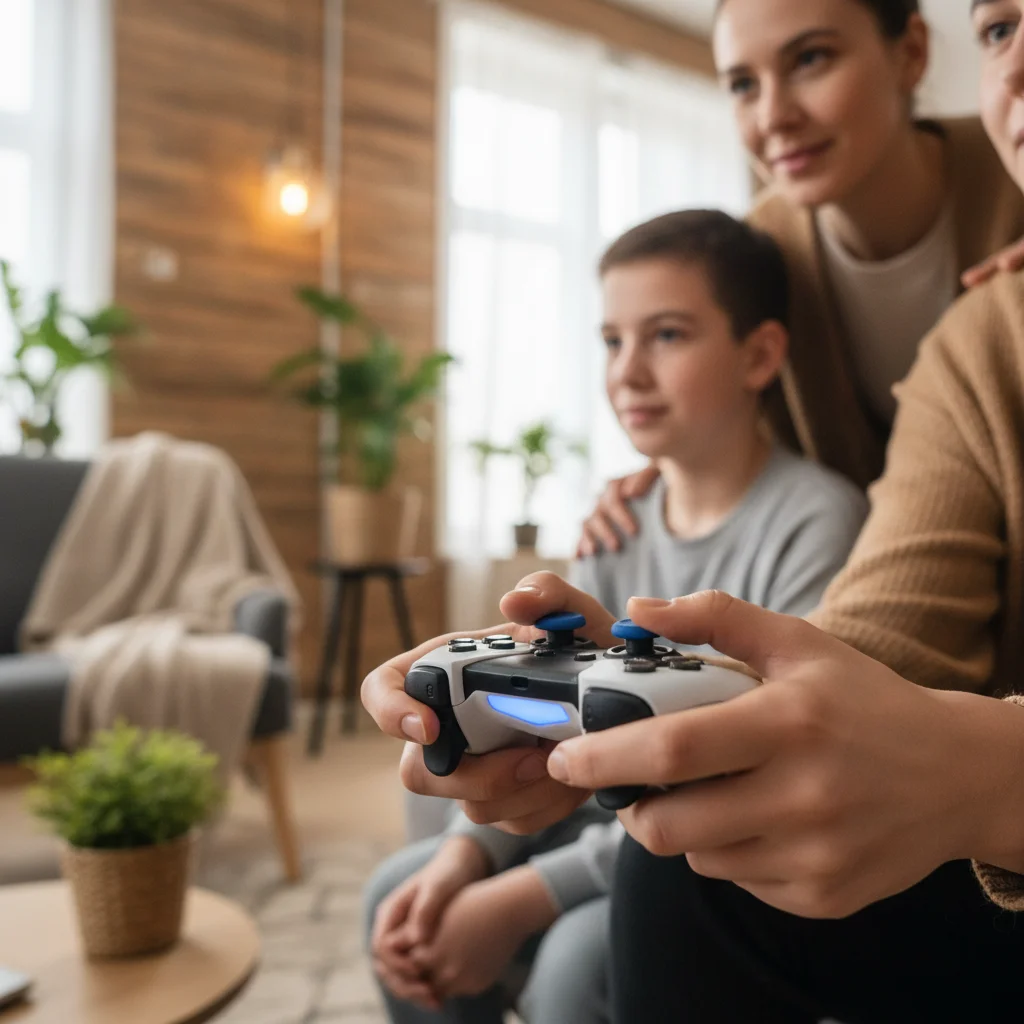
Esports, or competitive video gaming, has exploded in popularity, and ‘Level Up Your Life’ is an initiative that harnesses this energy for youth mental resilience. Operating in schools and dedicated esports centers, this program combines structured esports training with integrated mental health education and support. It recognizes that while competitive gaming can be stressful, the right support system can transform it into a powerful platform for developing crucial life skills.
Participants, typically teenagers and young adults, receive coaching not just on game mechanics, but also on stress management, emotional regulation, teamwork, communication, and healthy competition. Mental health professionals are embedded within the coaching staff, offering workshops on topics like managing performance anxiety, dealing with defeat, and fostering a positive mindset. The program emphasizes that mental strength is just as important as gaming skill.
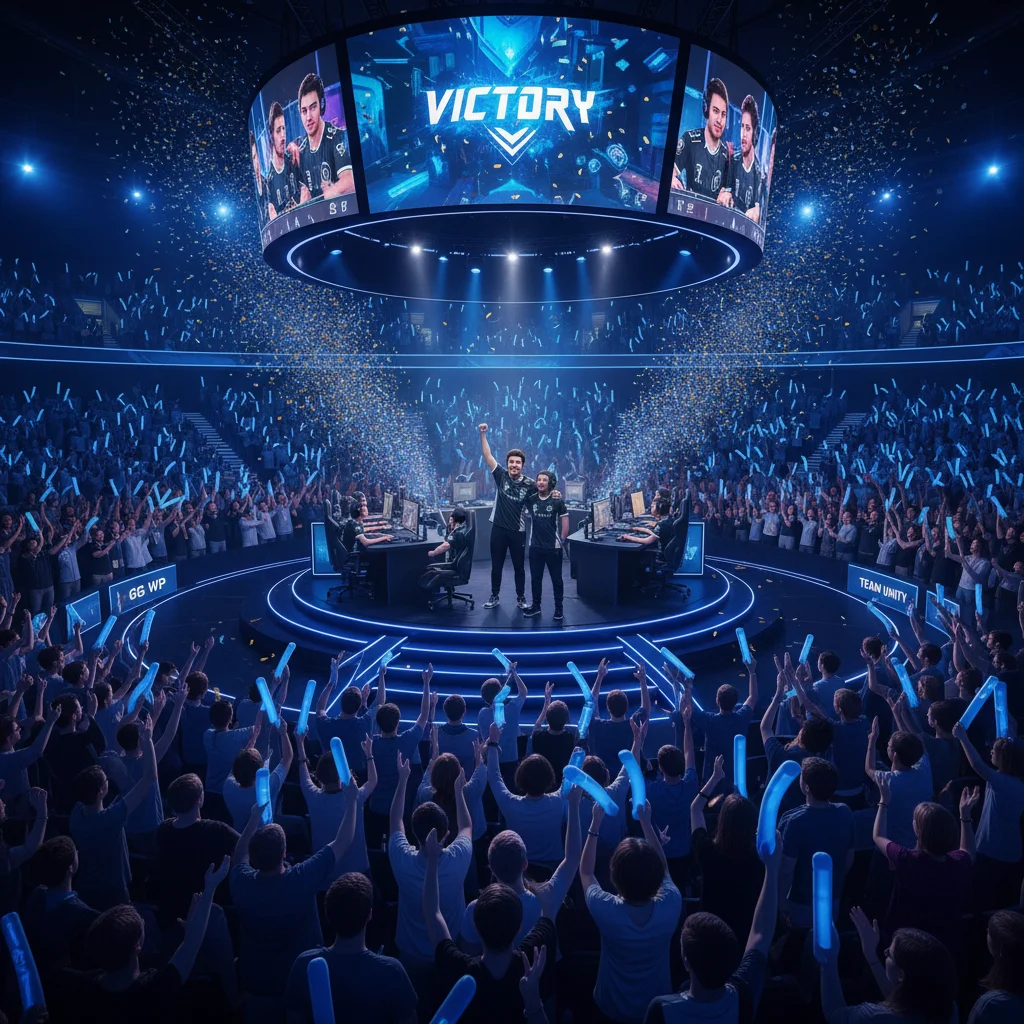
By 2026, ‘Level Up Your Life’ anticipates expanding its reach significantly, establishing leagues and tournaments that prioritize sportsmanship and mental well-being alongside competitive play. This initiative challenges the traditional view of esports as purely entertainment, repositioning it as a vehicle for holistic youth development. It provides a sense of purpose, belonging, and achievement for many young people who might struggle in traditional sports or academic settings, proving that gaming mental wellness can thrive even in competitive environments.
The program also includes sessions on digital citizenship, responsible gaming habits, and balancing screen time with other life activities. This comprehensive approach ensures that participants develop a healthy relationship with gaming, preventing potential negative pitfalls while maximizing its benefits. ‘Level Up Your Life’ is a testament to the idea that passion, when properly guided, can be a powerful force for personal growth and mental well-being.
4. ‘Pixel Pals’: Intergenerational Gaming for Cognitive and Emotional Health
Mental wellness isn’t just a concern for younger generations; it’s vital across the lifespan. ‘Pixel Pals’ is an innovative intergenerational program that pairs older adults with younger volunteers (often high school or college students) for shared gaming experiences. This initiative, set to expand its presence in senior centers and community hubs by 2026, tackles social isolation and cognitive decline in older adults while simultaneously offering younger participants opportunities for mentorship and community service.
The program focuses on accessible, engaging games that promote cognitive function (e.g., puzzle games, strategy games), fine motor skills, and social interaction. Beyond the gameplay, the core benefit lies in the conversations and relationships that form. Older adults share life experiences and wisdom, while younger volunteers introduce new technologies and perspectives. This reciprocal exchange fosters empathy, reduces ageism, and creates genuine bonds.
‘Pixel Pals’ sessions often begin with a brief social period, followed by guided gaming, and conclude with a reflective discussion. The presence of facilitators ensures that discussions remain positive and that everyone feels comfortable and included. This initiative demonstrates that intergenerational gaming is a powerful, enjoyable way to support cognitive and emotional health for all ages, proving that gaming has universal appeal for mental enrichment.
The benefits extend beyond the immediate participants. Family members of older adults report increased engagement, improved mood, and a renewed sense of purpose in their loved ones. For the younger volunteers, it offers a unique opportunity to develop leadership skills, empathy, and a deeper understanding of different generations. ‘Pixel Pals’ truly embodies the idea that connection, regardless of age, is a cornerstone of mental well-being, and gaming can be the perfect catalyst for it.
5. ‘Quest for Calm’: VR/AR Gaming for Anxiety and Stress Reduction
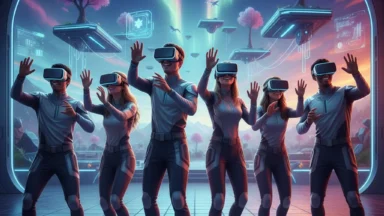
The cutting edge of gaming mental wellness involves virtual reality (VR) and augmented reality (AR) technologies. ‘Quest for Calm’ is an initiative that utilizes immersive VR/AR gaming experiences specifically designed to reduce anxiety and stress, and improve mindfulness. While still in its nascent stages, this program is projected to see significant growth in clinical and wellness settings by 2026.
These aren’t typical video games; they are therapeutic applications disguised as engaging experiences. For instance, participants might explore serene virtual landscapes that encourage deep breathing and meditation, or engage in interactive scenarios that help them practice exposure therapy for phobias in a controlled, safe environment. AR applications might overlay calming visual or audio cues onto the real world, helping individuals manage anxiety in everyday situations.
‘Quest for Calm’ partners with mental health clinics, hospitals, and corporate wellness programs to offer these experiences under the guidance of trained therapists. The immersive nature of VR/AR can create a powerful sense of presence, allowing individuals to fully engage with therapeutic content without external distractions. This initiative represents a significant leap forward in personalized and accessible mental health interventions, showcasing the innovative potential of technology in promoting stress reduction through gaming.
The data collected from these sessions, with strict privacy protocols, can also provide valuable insights for therapists, allowing them to track progress and tailor interventions more effectively. As VR/AR technology becomes more affordable and widespread, ‘Quest for Calm’ aims to make these advanced therapeutic tools accessible to a broader population, transforming how we approach anxiety and stress management. The combination of cutting-edge technology and evidence-based therapeutic principles makes this initiative particularly promising for the future of mental health.
The Future is Bright for Gaming Mental Wellness
The initiatives highlighted above are just a glimpse into the burgeoning field of gaming mental wellness in the US. By 2026, we can anticipate even more sophisticated and integrated approaches. The key takeaway is clear: gaming is no longer just a form of entertainment; it’s a dynamic, interactive medium with profound implications for mental health support and community building.
These programs are successful because they meet individuals where they are, leveraging existing interests and technologies to deliver support in engaging and non-stigmatizing ways. They foster a sense of belonging, teach valuable life skills, and provide accessible avenues for emotional and cognitive development. As technology continues to advance and our understanding of mental health deepens, the synergy between gaming and wellness will only grow stronger.
For individuals, families, and communities, these initiatives offer hope and practical solutions. They demonstrate that the path to better mental health can be enjoyable, collaborative, and deeply engaging. We are moving towards a future where a game controller or a VR headset might be seen not just as a toy, but as a tool for healing, connection, and thriving. The journey of gaming mental wellness is truly just beginning, and the outlook for 2026 and beyond is incredibly promising.
It’s also important to acknowledge the role of policymakers and funding bodies in supporting these initiatives. Sustained investment, research, and policy frameworks that recognize the therapeutic potential of gaming will be crucial for scaling these programs and ensuring their long-term impact. Collaboration between game developers, mental health professionals, educators, and community leaders will accelerate innovation and broaden access to these vital services.
Ultimately, the goal is to create a society where mental health support is integrated seamlessly into our daily lives, and gaming offers a unique and powerful pathway to achieve that. By embracing these innovative approaches, we can collectively build more resilient, connected, and mentally healthy communities across the United States.