Gaming as a Learning Tool: 4 Educational Trends Impacting US Youth Culture by 2026
In an era defined by rapid technological advancement and an ever-evolving digital landscape, the lines between entertainment and education are increasingly blurring. For today's youth, gaming is not merely a pastime; it's a fundamental part of their social fabric, a platform for creativity, and, perhaps most surprisingly, a powerful learning tool. As we look towards 2026, the influence of gaming on US youth culture and its educational implications are set to expand dramatically. This article delves into four pivotal gaming educational trends that are reshaping how young Americans learn, interact, and prepare for the future.
The Rise of Gamified Learning Environments
The concept of gamification – applying game-design elements and game principles in non-game contexts – has been gaining traction in education for years. However, by 2026, we anticipate a full-fledged integration of gamified learning environments that go far beyond simple points and badges. These environments will leverage sophisticated game mechanics to create deeply engaging, intrinsically motivating educational experiences. Imagine curricula delivered not through textbooks and lectures, but through interactive quests, collaborative challenges, and narrative-driven adventures where students are active protagonists in their own learning journey.
Personalized Learning Pathways Through Gaming
One of the most significant advantages of gamified learning is its capacity for personalization. Traditional education often struggles to cater to diverse learning styles and paces. Gaming, by its very nature, is adaptive. Advanced educational games will utilize AI and machine learning to analyze a student's performance, identify areas of strength and weakness, and dynamically adjust the learning content and difficulty. This means that every student can progress at their optimal pace, receiving targeted support where needed and accelerated challenges when ready. This personalized approach fosters a sense of agency and mastery, crucial for sustained engagement and deeper understanding. The data generated from these interactions will provide educators with unprecedented insights into individual student progress, allowing for more informed interventions and support.
Fostering 21st-Century Skills
Beyond academic content, gamified learning environments are exceptionally well-suited to developing critical 21st-century skills. Problem-solving, critical thinking, strategic planning, and adaptability are inherent to successful gameplay. Complex educational games will present students with multifaceted problems that require creative solutions, encouraging them to experiment, fail, and iterate – a process mirroring real-world innovation. Furthermore, many games are inherently collaborative, demanding communication, negotiation, and teamwork. These are not merely "soft skills"; they are fundamental competencies required for success in higher education and the modern workforce. By integrating these skills into the core learning experience, gaming educational trends are preparing youth for a future that demands more than just rote memorization.
The Role of Augmented and Virtual Reality in Gamified Education
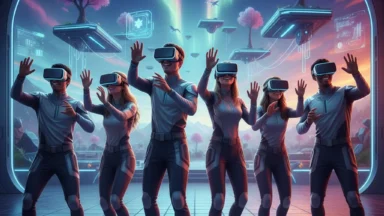
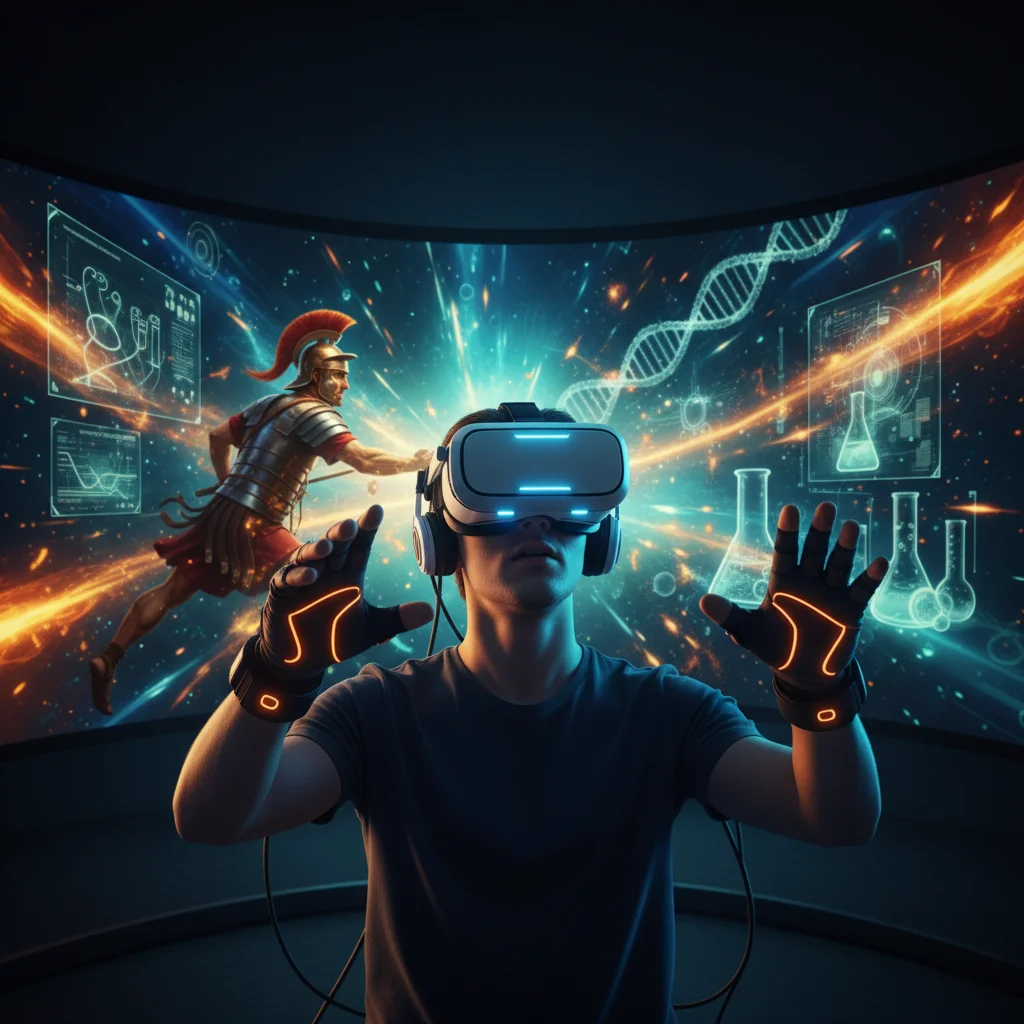
The immersive potential of Augmented Reality (AR) and Virtual Reality (VR) will revolutionize gamified learning. By 2026, AR/VR technologies will be more accessible and integrated into classrooms and home learning setups. Imagine exploring ancient Rome through a VR headset, dissecting a virtual frog in biology class, or solving complex engineering problems by manipulating holographic projections in an AR environment. These technologies transform abstract concepts into tangible, experiential learning opportunities, making education more memorable and impactful. The ability to "step into" a learning scenario creates a level of engagement that traditional methods simply cannot match, solidifying the role of immersive experiences in future educational paradigms.
Esports and Competitive Gaming as Educational Pathways
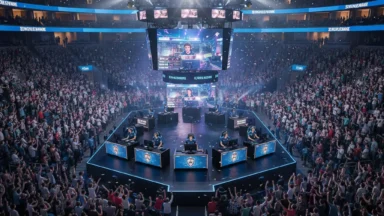
Once confined to basements and arcades, esports – organized competitive video gaming – has exploded into a global phenomenon. Its influence is now extending into the educational sector, offering new avenues for skill development, scholarship opportunities, and even career paths. By 2026, esports will be firmly entrenched in US high schools and universities, not just as extracurricular activities but as legitimate educational programs.
Developing Strategic Thinking and Teamwork
At its core, esports demands intense strategic thinking, rapid decision-making, and seamless teamwork. Players must analyze complex game states, anticipate opponents' moves, and communicate effectively under pressure. These are high-level cognitive skills that translate directly to academic and professional success. Educational institutions are recognizing this and establishing esports programs that emphasize not just gameplay, but also the analytical and collaborative processes involved. Coaches guide students in developing game theory, understanding statistical analysis, and honing their communication skills for effective team coordination. This focus on strategic development is a key aspect of evolving gaming educational trends.
Scholarship Opportunities and Career Paths
The growth of collegiate esports has led to an increasing number of scholarship opportunities, allowing talented student-gamers to pursue higher education. Beyond playing, the esports industry offers a myriad of career paths, including game design, event management, broadcasting, marketing, sports psychology, and data analytics. Educational programs are emerging to train students in these specialized fields, providing a direct link between their passion for gaming and viable professional careers. This legitimization of gaming as a pathway to academic and professional achievement is a significant shift in how youth and society perceive its value.
Promoting Digital Citizenship and Healthy Gaming Habits
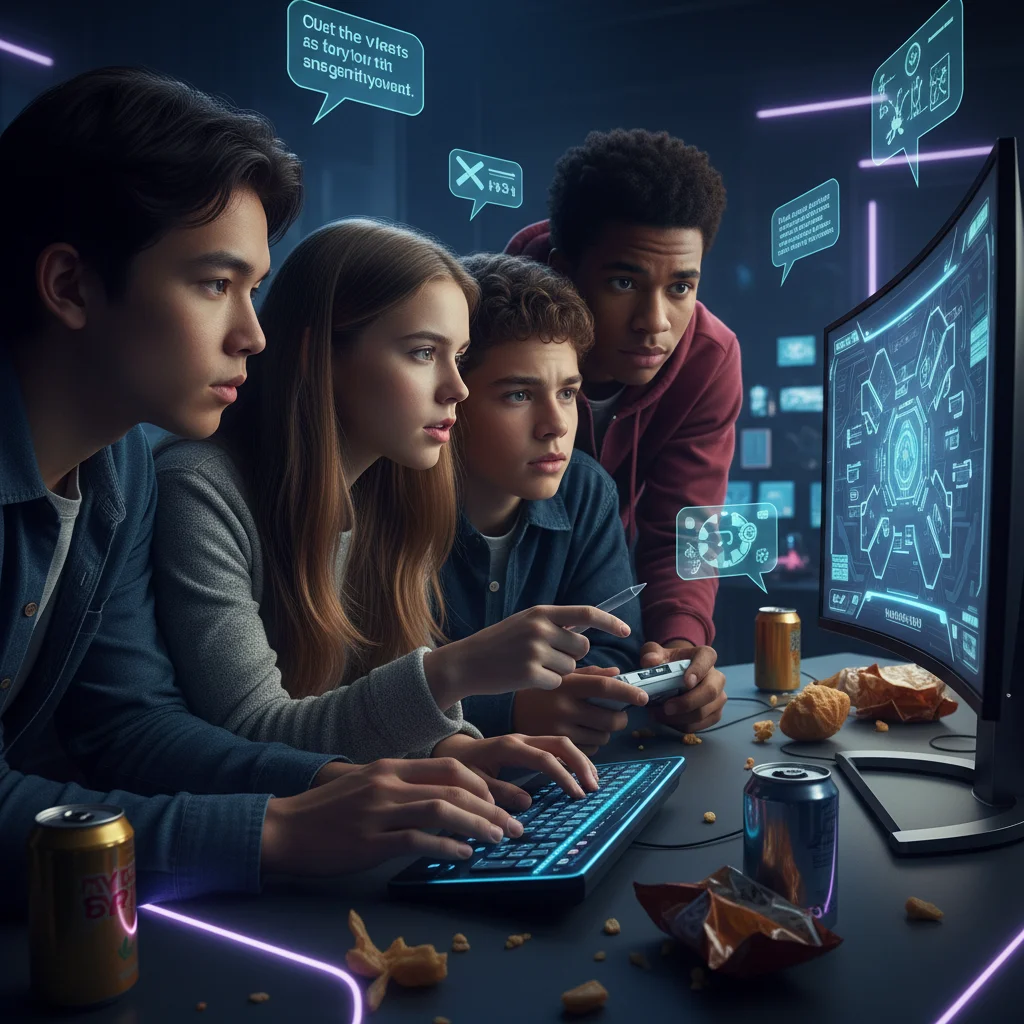
As esports becomes more mainstream in schools, there's also a growing emphasis on promoting digital citizenship and healthy gaming habits. Educational esports programs often incorporate lessons on online etiquette, responsible screen time management, internet safety, and maintaining a healthy work-life balance. This holistic approach ensures that students not only excel in competitive gaming but also develop into well-rounded, responsible digital citizens. This trend is crucial for mitigating potential negative aspects of extensive gaming and ensuring a positive impact on youth culture.
Game-Based Learning for "Soft Skills" Development
While traditional education often focuses on academic knowledge, the modern world places increasing value on "soft skills" – traits like empathy, emotional intelligence, resilience, and ethical decision-making. These are precisely the skills that many games, particularly narrative-driven or simulation-based ones, are exceptionally good at cultivating. By 2026, we will see a more deliberate integration of game-based learning specifically designed to foster these crucial interpersonal and intrapersonal competencies.
Empathy and Perspective-Taking Through Narrative Games
Many video games place players in the shoes of diverse characters, presenting them with complex moral dilemmas and challenging situations. These narrative experiences can be powerful tools for developing empathy and perspective-taking. By making choices that have consequences within the game world, players can explore different viewpoints and understand the impact of their actions in a safe, virtual environment. For instance, games simulating historical events or social issues can help students grasp the complexities of human experience in a way that textbooks rarely can. This immersive storytelling capability is a strong driver of evolving gaming educational trends.
Resilience and Problem-Solving Through Challenge
Failure is an inherent part of gaming. Players repeatedly encounter challenges, fail, learn from their mistakes, and try again. This iterative process builds resilience, perseverance, and a growth mindset – the belief that abilities can be developed through dedication and hard work. Educational games designed with appropriate difficulty curves can teach students to embrace challenges, view setbacks as learning opportunities, and develop effective problem-solving strategies. The intrinsic motivation to overcome obstacles in a game translates into a valuable life skill: the ability to persist in the face of difficulty.
Ethical Decision-Making and Digital Literacy
Many games, particularly those involving resource management, societal simulations, or moral choices, require players to make ethical decisions. These scenarios provide a safe space to explore the consequences of different choices, fostering an understanding of ethics and responsibility. Furthermore, engaging with complex game systems naturally enhances digital literacy, teaching students to navigate intricate interfaces, understand systemic logic, and critically evaluate information presented in digital environments. These skills are indispensable in an increasingly digital world, making game-based learning a vital component of future education.
Creator Economy and Game Design as Core Curriculum
The digital age has ushered in the "creator economy," where individuals can leverage digital platforms to produce and monetize their content. For youth, this often means creating videos, streaming gameplay, or even developing their own games. By 2026, game design and content creation related to gaming will move from optional electives to core components of the curriculum, empowering students to become creators rather than just consumers of digital media.
Learning to Code and Design Through Game Creation
Game design is an incredibly interdisciplinary field, encompassing coding, graphic design, storytelling, sound engineering, and project management. Learning to create games provides a highly engaging context for acquiring these technical skills. Platforms like Roblox Studio, Unity, and Unreal Engine are becoming more accessible, allowing students to learn fundamental programming concepts, logical thinking, and creative problem-solving in a hands-on manner. This approach makes abstract coding concepts tangible and immediately rewarding, fostering a deeper understanding and passion for STEM fields. This hands-on creation is a hallmark of progressive gaming educational trends.
Developing Entrepreneurial Skills Through Content Creation
Beyond game development, the broader gaming ecosystem supports a thriving creator economy. Students who stream gameplay, produce game reviews, or create fan content are developing valuable entrepreneurial skills. They learn about audience engagement, content strategy, branding, digital marketing, and even basic business management. Educational programs will increasingly recognize and support these activities, providing guidance on responsible content creation, intellectual property, and monetization strategies. This allows students to transform their passion into potential career paths, preparing them for an economy that increasingly values independent innovation and digital entrepreneurship.
Storytelling and Media Literacy in the Gaming Context
Creating games or gaming-related content also sharpens storytelling abilities and media literacy. Students learn how to construct compelling narratives, design engaging user experiences, and effectively communicate ideas through various digital mediums. They also become more discerning consumers of media, understanding the design choices and persuasive techniques used in games and other digital content. This critical perspective is invaluable in an information-saturated world, equipping youth with the tools to navigate and contribute meaningfully to the digital sphere.
Addressing Concerns and Ensuring Equitable Access
While the potential benefits of integrating gaming into education are immense, it's crucial to address potential concerns and ensure equitable access. Issues such as screen time management, potential for addiction, and the digital divide must be carefully considered as these gaming educational trends evolve. Schools and educators will need to implement balanced approaches, integrating gaming as one tool among many, and providing guidance on healthy digital habits. Furthermore, ensuring that all students, regardless of socioeconomic background, have access to the necessary technology and support will be paramount to realizing the full potential of these transformative educational approaches.
Teacher Training and Professional Development
For these trends to truly take hold, educators must be equipped with the knowledge and skills to effectively leverage gaming in their classrooms. Comprehensive teacher training and professional development programs will be essential, focusing not only on the technical aspects of game-based learning and esports but also on pedagogical strategies for integrating these tools meaningfully into the curriculum. This includes understanding how to assess learning in gamified environments, manage digital classrooms, and foster a positive and inclusive gaming culture.
Parental Engagement and Understanding
Engaging parents and helping them understand the educational value of gaming will also be critical. Many parents may still view gaming solely as entertainment or a distraction. Educational institutions will need to communicate clearly about the intentional design and learning objectives behind game-based initiatives, showcasing the concrete skills and knowledge students are acquiring. This collaborative approach between schools and homes will create a more supportive ecosystem for these innovative learning methods.
Conclusion: A New Era of Learning
By 2026, gaming will have solidified its position as a legitimate and powerful learning tool, fundamentally reshaping US youth culture and education. The four trends – the rise of gamified learning environments, the integration of esports as educational pathways, game-based learning for soft skills development, and the inclusion of game design in core curriculum – collectively point towards a future where learning is more engaging, personalized, and relevant to the demands of the 21st century. As technology continues to advance, the symbiotic relationship between gaming and education will only deepen, empowering a new generation of learners with the skills, creativity, and resilience needed to thrive in a rapidly changing world. The journey towards this innovative educational landscape is not without its challenges, but the potential rewards for our youth are immeasurable, promising a future where learning is an adventure, not just a task.