Understanding the 15% Growth in Cloud Gaming Subscriptions Across the US by Q3 2026
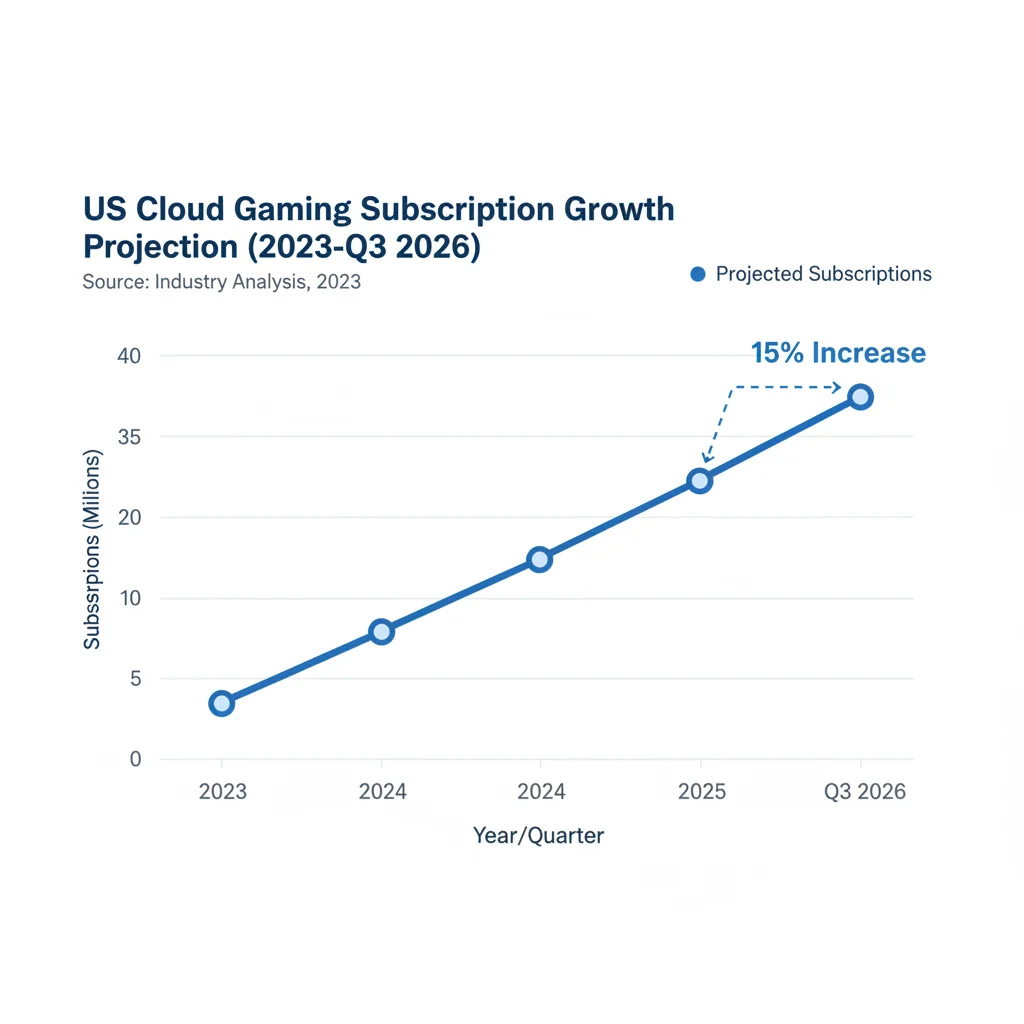
The gaming landscape is in constant flux, driven by technological innovations and evolving consumer behaviors. Among the most transformative trends is the rise of cloud gaming, a paradigm shift that promises to democratize access to high-fidelity gaming experiences. Recent projections indicate a substantial 15% growth in cloud gaming growth subscriptions across the United States by the third quarter of 2026. This isn’t just a fleeting trend; it represents a significant market expansion with profound implications for publishers, developers, hardware manufacturers, and, most importantly, players.

How would you like to receive it?
Select the option that suits you best.
This article delves deep into the factors fueling this impressive cloud gaming growth, examining the technological advancements, market dynamics, and consumer preferences that are collectively propelling cloud gaming into the mainstream. We will explore the challenges that still need to be addressed and the opportunities that lie ahead for this burgeoning sector.
The Core Concept of Cloud Gaming: A Primer
Before we dissect the growth figures, it’s essential to understand what cloud gaming entails. At its heart, cloud gaming, also known as gaming-on-demand or game streaming, is a method of playing video games remotely from the cloud. Instead of running games directly on a local console or PC, the game is processed on powerful servers in a data center, and the video output is streamed to the user’s device over the internet. The user’s input (controller commands, keyboard strokes) is then sent back to the server, creating a seamless, interactive experience.
This revolutionary approach bypasses the need for expensive, high-end hardware, as the heavy lifting is done by remote servers. This means players can enjoy graphically intensive games on a wide array of devices, including smart TVs, smartphones, tablets, and low-spec laptops, as long as they have a stable and sufficiently fast internet connection. This accessibility is a primary driver behind the anticipated cloud gaming growth.
Key Advantages Driving Adoption
- Accessibility: Play anywhere, anytime, on almost any device. This eliminates the barrier of entry for many potential gamers who cannot afford or justify the cost of dedicated gaming hardware.
- Reduced Hardware Costs: No need for expensive consoles or gaming PCs. The subscription model replaces upfront hardware investments.
- Instant Play: Games are streamed, meaning no downloads, no installations, and no patches. Players can jump straight into the action.
- Automatic Updates: The server-side nature of cloud gaming means games are always up-to-date, removing the hassle of manual updates for users.
- Game Libraries: Many services offer extensive libraries of games as part of the subscription, providing excellent value.
Factors Fueling the 15% US Cloud Gaming Growth
The projection of a 15% increase in US cloud gaming subscriptions by Q3 2026 is not arbitrary. It’s a culmination of several converging trends and advancements. Understanding these factors is crucial for anyone looking to capitalize on or comprehend this significant market shift.
1. Widespread 5G and Broadband Infrastructure Development
The backbone of successful cloud gaming is a robust internet connection. The ongoing rollout and expansion of 5G networks across the US, coupled with increasing access to high-speed fiber optic broadband, are critically enabling this cloud gaming growth. 5G offers significantly lower latency and higher bandwidth compared to previous generations, directly addressing one of the biggest challenges of game streaming: lag. As more areas gain access to these advanced networks, the quality and reliability of cloud gaming experiences will improve dramatically, attracting more subscribers.
2. Maturation of Cloud Gaming Platforms
Early iterations of cloud gaming services faced performance issues and limited game libraries. However, major players like Xbox Cloud Gaming (xCloud), NVIDIA GeForce NOW, and Amazon Luna have invested heavily in optimizing their infrastructure, improving streaming technology, and expanding their game catalogs. These platforms are now delivering much more stable, responsive, and enjoyable experiences, building consumer trust and encouraging wider adoption. The increasing competition among these platforms also drives innovation and better service offerings, further boosting cloud gaming growth.
3. Evolving Consumer Spending Habits and Subscription Models
The modern consumer is increasingly accustomed to subscription-based services for entertainment, from streaming video (Netflix, Disney+) to music (Spotify, Apple Music). Cloud gaming fits seamlessly into this model, offering a vast library of games for a predictable monthly fee, rather than requiring expensive upfront purchases of individual games or hardware. This shift in consumer preference towards access over ownership is a powerful catalyst for cloud gaming growth.
4. Economic Pressures and Affordability
In an economic climate where discretionary spending is often scrutinized, the cost-effectiveness of cloud gaming becomes particularly appealing. A cloud gaming subscription can be significantly cheaper than purchasing a new gaming console (which can cost upwards of $500) and multiple full-price games ($60-$70 each). This affordability makes high-quality gaming accessible to a broader demographic, including casual gamers, families, and those with tighter budgets, directly contributing to the projected cloud gaming growth.
5. Increased Accessibility for Casual and New Gamers
The barrier to entry for traditional gaming can be high due to complex hardware, setup, and the learning curve of specific platforms. Cloud gaming simplifies this immensely. With just an internet connection and a compatible device (which most households already own), anyone can start playing. This ease of access attracts a large segment of casual gamers and individuals new to gaming who might have been intimidated by conventional gaming setups. This expansion of the potential user base is a critical component of the 15% cloud gaming growth.
6. Integration with Smart Devices and Ecosystems
As smart TVs become more prevalent and powerful, and mobile devices continue to evolve, the integration of cloud gaming services directly into these ecosystems makes gaming more convenient. Playing a AAA title on your living room smart TV without needing a console, or on your phone during a commute, blurs the lines between different forms of entertainment and expands the moments when gaming can occur. Partnerships between cloud gaming providers and device manufacturers are accelerating this integration, further solidifying cloud gaming growth.
Challenges and Opportunities for Sustained Growth
While the outlook for cloud gaming growth is overwhelmingly positive, the path to widespread adoption is not without its hurdles. Addressing these challenges will be key to sustaining momentum beyond 2026.
Addressing Latency and Input Lag
Despite advancements in 5G and broadband, latency remains a critical concern for competitive gamers. Even milliseconds of delay can impact gameplay, especially in fast-paced genres like first-person shooters or fighting games. Continuous innovation in network infrastructure, server proximity (edge computing), and streaming algorithms will be vital to minimize lag and ensure a truly responsive experience for all genres. As these technical challenges are overcome, the appeal of cloud gaming will broaden, attracting even the most discerning players and further contributing to cloud gaming growth.
Content Licensing and Game Libraries
The success of any gaming platform hinges on its game library. Cloud gaming services need to offer a compelling selection of both new AAA titles and beloved classics to attract and retain subscribers. This requires complex licensing agreements with publishers and developers. Services that can consistently provide a fresh and diverse catalog of games will have a significant competitive advantage in driving cloud gaming growth.
Data Caps and Bandwidth Consumption
Streaming high-definition video games consumes a significant amount of data. For users with internet data caps, this can be a deterrent. As cloud gaming growth continues, internet service providers (ISPs) may need to adapt their data plans, or cloud gaming services will need to become more efficient in their data compression without sacrificing visual quality. This is an ongoing negotiation and technological challenge that impacts consumer affordability and accessibility.
Market Saturation and Differentiation
As more companies enter the cloud gaming space, market saturation could become a concern. Providers will need to differentiate themselves through exclusive content, unique features, competitive pricing, or superior performance to attract and retain subscribers. Innovation in user experience and community building will also play a crucial role in maintaining strong cloud gaming growth.
The Impact of 15% Cloud Gaming Growth on the US Gaming Industry
A 15% increase in US cloud gaming subscriptions by Q3 2026 signifies more than just a number; it represents a fundamental shift in the gaming industry’s ecosystem. This growth will have ripple effects across various segments:
For Game Developers and Publishers
Cloud gaming opens up new avenues for revenue and audience reach. Developers can focus on creating innovative gameplay experiences without being constrained by the processing power of consumer-grade hardware. Publishers can reach a wider audience, including those who previously couldn’t afford dedicated gaming systems. The subscription model also offers a stable, recurring revenue stream, potentially fostering more creative risks and diverse game development. This expanded market directly supports further cloud gaming growth.
For Hardware Manufacturers
While cloud gaming reduces the need for high-end local gaming hardware, it creates new opportunities for peripheral manufacturers. High-quality, low-latency controllers, specialized streaming devices, and network equipment will remain essential. The focus might shift from powerful GPUs to optimized input devices and robust network infrastructure, reflecting the changing demands of the market influenced by cloud gaming growth.
For Internet Service Providers (ISPs)
ISPs are at the forefront of enabling cloud gaming growth. The demand for faster, more reliable internet connections will intensify, driving further infrastructure investments in 5G and fiber optic networks. This presents both a challenge and a significant opportunity for ISPs to offer premium gaming-centric internet packages.
For Consumers
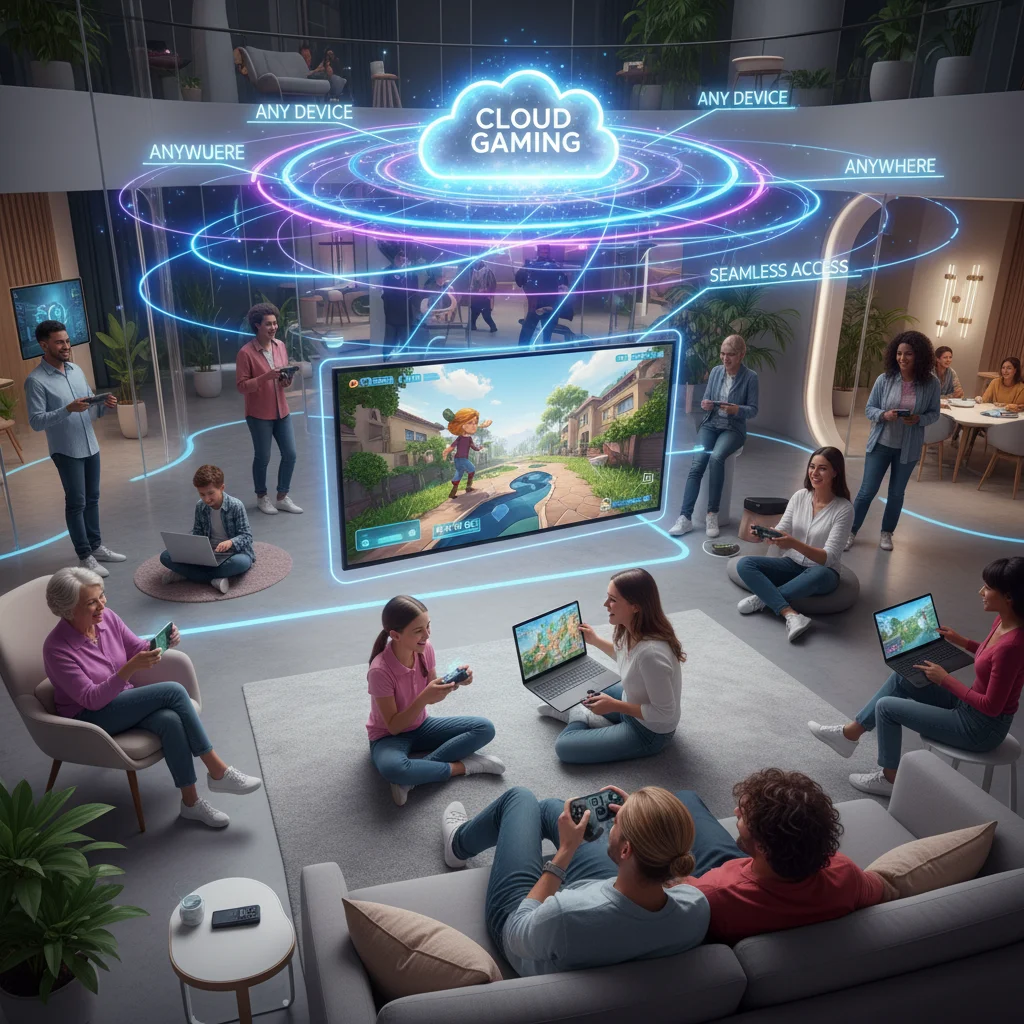
Ultimately, consumers stand to benefit the most. Cloud gaming democratizes access to gaming, making it more affordable and convenient than ever before. It lowers the barrier to entry, allowing more people to experience the joy of high-quality video games, regardless of their budget or technical expertise. This heightened accessibility will fuel further cloud gaming growth and innovation.
The Future Landscape: Beyond 2026
The projected 15% cloud gaming growth by Q3 2026 is likely just a waypoint in a much longer journey. The technology is still relatively nascent, with immense potential for further development. We can anticipate several key trends shaping the future of cloud gaming:
Integration with AI and Machine Learning
AI and machine learning could play a crucial role in optimizing streaming quality, predicting network conditions, and even personalizing gaming experiences. AI-driven upscaling could deliver stunning visuals even with lower bandwidth, while machine learning could adapt game difficulty or content based on player preferences, enhancing engagement and driving continued cloud gaming growth.
Hybrid Cloud-Local Gaming
The future might not be exclusively cloud or local, but a hybrid approach. Certain elements of a game could be processed locally for minimal latency (e.g., input recognition), while graphically intensive rendering happens in the cloud. This ‘edge computing’ model could offer the best of both worlds, further refining the cloud gaming experience.
Expansion into New Markets
While the US market is experiencing significant cloud gaming growth, the global potential is even larger. As internet infrastructure improves in developing regions, cloud gaming could become the primary way many new players access high-end games, bypassing the traditional console cycle entirely.
Evolution of Business Models
Beyond standard subscriptions, we might see more diverse business models emerge, such as pay-per-hour, tiered access based on game quality, or even ad-supported cloud gaming. These innovations will aim to capture different segments of the market and expand the reach of cloud gaming, contributing to sustained cloud gaming growth.
Conclusion: A New Era for Gaming
The projected 15% increase in US cloud gaming subscriptions by Q3 2026 is a clear indicator that cloud gaming is no longer a niche concept but a powerful force reshaping the entertainment industry. Driven by advancements in network technology, the maturation of streaming platforms, evolving consumer preferences, and increased affordability, cloud gaming is poised to make high-quality gaming accessible to an unprecedented number of people.
While challenges related to latency, content, and data consumption persist, the industry is actively working to overcome them. The opportunities for developers, publishers, and consumers are immense, promising a future where gaming is more democratic, diverse, and dynamic than ever before. As we move towards 2026 and beyond, the continued cloud gaming growth will undoubtedly redefine how we play, interact with, and consume video games, ushering in a truly exciting new era for the entire gaming ecosystem.
Embracing this transformation will be key for all stakeholders looking to thrive in the evolving landscape of digital entertainment. The future of gaming is undoubtedly in the clouds, and the US market is leading the charge in this thrilling revolution.