
The landscape of mobile gaming monetization US is a dynamic and ever-evolving frontier, constantly reshaped by technological advancements, shifting player preferences, and innovative business models. What began as a nascent industry has burgeoned into a multi-billion dollar behemoth, with the United States standing as one of its most lucrative and competitive markets. As developers strive to capture and retain the attention of millions of players, understanding and effectively implementing robust monetization strategies becomes paramount to their success. This year, three key monetization strategies continue to dominate the US mobile gaming scene, each offering unique pathways to profitability and player engagement. From the pervasive influence of in-app purchases to the sophisticated integration of ad monetization and the burgeoning potential of subscription models, the methods by which games generate revenue are more diverse and strategic than ever before.
The evolution of mobile gaming is intrinsically linked to its monetization. Early mobile games often relied on a simple ‘pay-to-download’ model, a straightforward transaction that faded as the ‘freemium’ model gained traction. This shift allowed games to reach a wider audience, with monetization occurring through optional purchases or advertisements within the game. Today, the sophistication of these strategies has reached new heights, driven by advanced data analytics, personalized player experiences, and a deeper understanding of economic psychology. For game developers and publishers looking to thrive in the competitive US market, a nuanced grasp of these strategies is not just beneficial, but absolutely essential.
Understanding the US Mobile Gaming Market Landscape
Before diving into specific monetization strategies, it’s crucial to appreciate the unique characteristics of the US mobile gaming market. This market is characterized by a high penetration of smartphones, a tech-savvy consumer base, and a strong willingness to spend on digital entertainment. American players, on average, exhibit higher engagement levels and demonstrate a greater propensity for in-app spending compared to many other regions. This makes the US a prime target for developers, but also a highly saturated one, demanding innovative and effective monetization approaches to stand out.
Demographically, the US mobile gaming audience is incredibly diverse, spanning all age groups, income brackets, and geographical locations. While casual games still hold a significant share, there’s a growing appetite for mid-core and even hardcore mobile experiences that offer deeper gameplay and richer narratives. This diversity necessitates a flexible approach to mobile gaming monetization US, where different strategies might appeal to different player segments. Data-driven insights into player behavior, spending habits, and genre preferences are invaluable for tailoring monetization models that resonate with specific audiences.
The Dominance of In-App Purchases (IAPs)
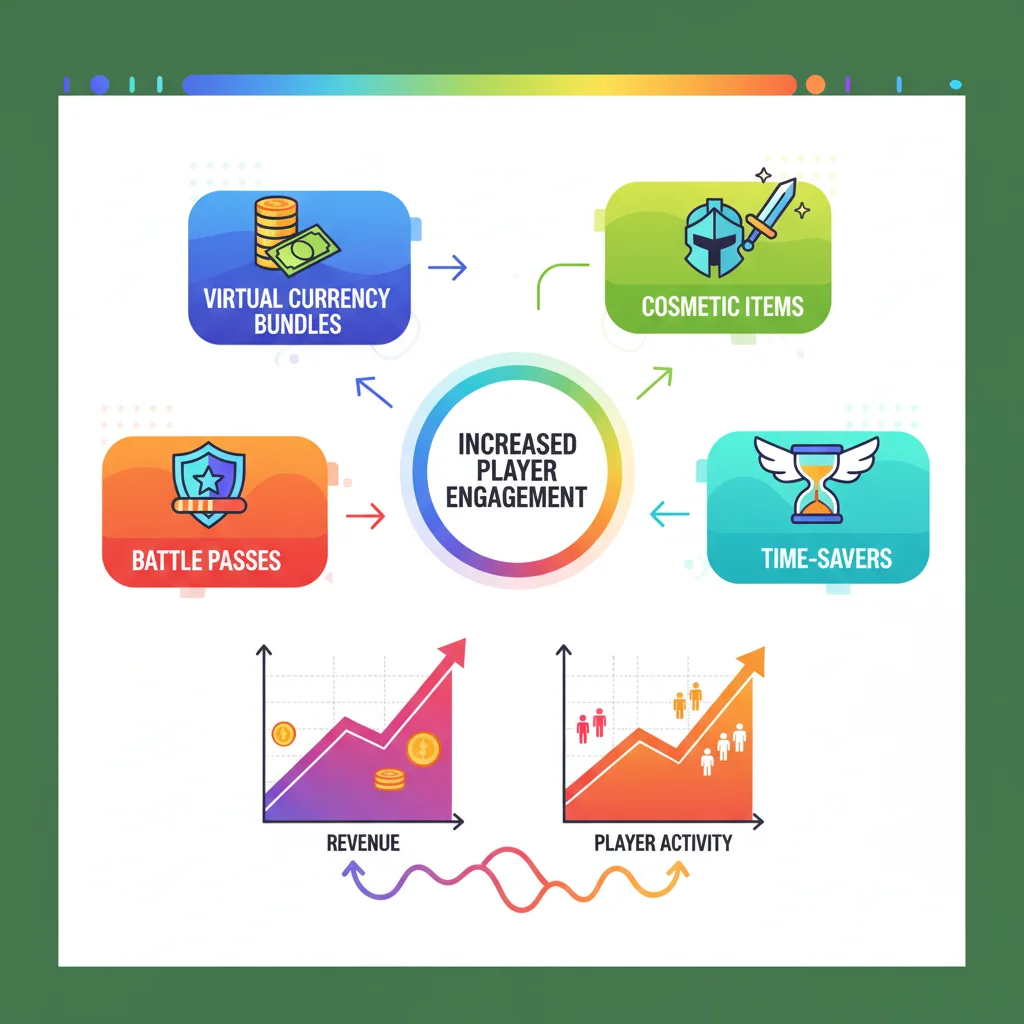
In-App Purchases (IAPs) remain the cornerstone of mobile gaming monetization US. This strategy involves offering virtual goods, extra content, or special abilities for purchase directly within the game. The genius of IAPs lies in their ability to enhance the player experience without forcing a paywall, allowing players to decide how much they want to invest in their gaming journey. The diversity of IAPs is vast, ranging from cosmetic items that personalize a player’s avatar, to powerful upgrades that offer a competitive edge, and time-savers that accelerate progress.
Virtual Currency: The Engine of IAPs
At the heart of many IAP systems is virtual currency. Players purchase bundles of gems, coins, or other in-game currencies with real money, which they then use to acquire various items. This layer of abstraction often makes spending feel less like a direct monetary transaction, encouraging more frequent purchases. Strategic pricing of virtual currency bundles, offering better value for larger purchases, is a common tactic to incentivize higher spending.
Cosmetics and Personalization: Driving Engagement
Cosmetic IAPs, such as skins, emotes, and unique character designs, have exploded in popularity. These items offer no direct gameplay advantage but allow players to express themselves and stand out. Games like ‘Fortnite Mobile’ have mastered this model, generating massive revenues purely from cosmetic sales. The desire for personalization and social signaling is a powerful psychological driver that developers skillfully leverage.
Power-Ups and Boosts: The Competitive Edge
For many players, especially in competitive genres, IAPs that provide power-ups, boosts, or shortcuts to progression are highly appealing. While these can sometimes lead to ‘pay-to-win’ accusations if not carefully balanced, when implemented thoughtfully, they can significantly enhance the gameplay experience for those willing to spend. The key is to ensure that free-to-play players can still progress and enjoy the game, even if at a slower pace.
Battle Passes and Season Passes: Long-Term Engagement
Another highly effective IAP model is the battle pass or season pass. Players purchase a pass that unlocks a tiered reward system over a specific period, typically a ‘season.’ As players complete challenges and progress in the game, they earn rewards, often including exclusive cosmetics, virtual currency, and other in-game items. This model not only drives initial purchases but also encourages sustained engagement as players are motivated to complete the pass before the season ends. This has become a staple in many successful mobile gaming monetization US strategies.
The success of IAPs hinges on several factors: creating a compelling game experience that makes players *want* to spend, offering valuable and desirable items, and maintaining a fair balance between free and paid content. Transparency and ethical practices are also crucial to building trust and avoiding player backlash. Developers must constantly analyze player data to optimize their IAP offerings, ensuring they align with player demand and contribute positively to the overall game economy.
The Evolution of Ad Monetization
While IAPs cater to spenders, ad monetization effectively captures value from the vast majority of players who prefer to play for free. In the US market, ad monetization has moved far beyond simple banner ads, evolving into a sophisticated ecosystem that integrates various ad formats seamlessly into the gaming experience. This strategy is vital for a comprehensive mobile gaming monetization US approach, providing a steady revenue stream without alienating non-spending players.
Rewarded Video Ads: A Win-Win for Players and Developers
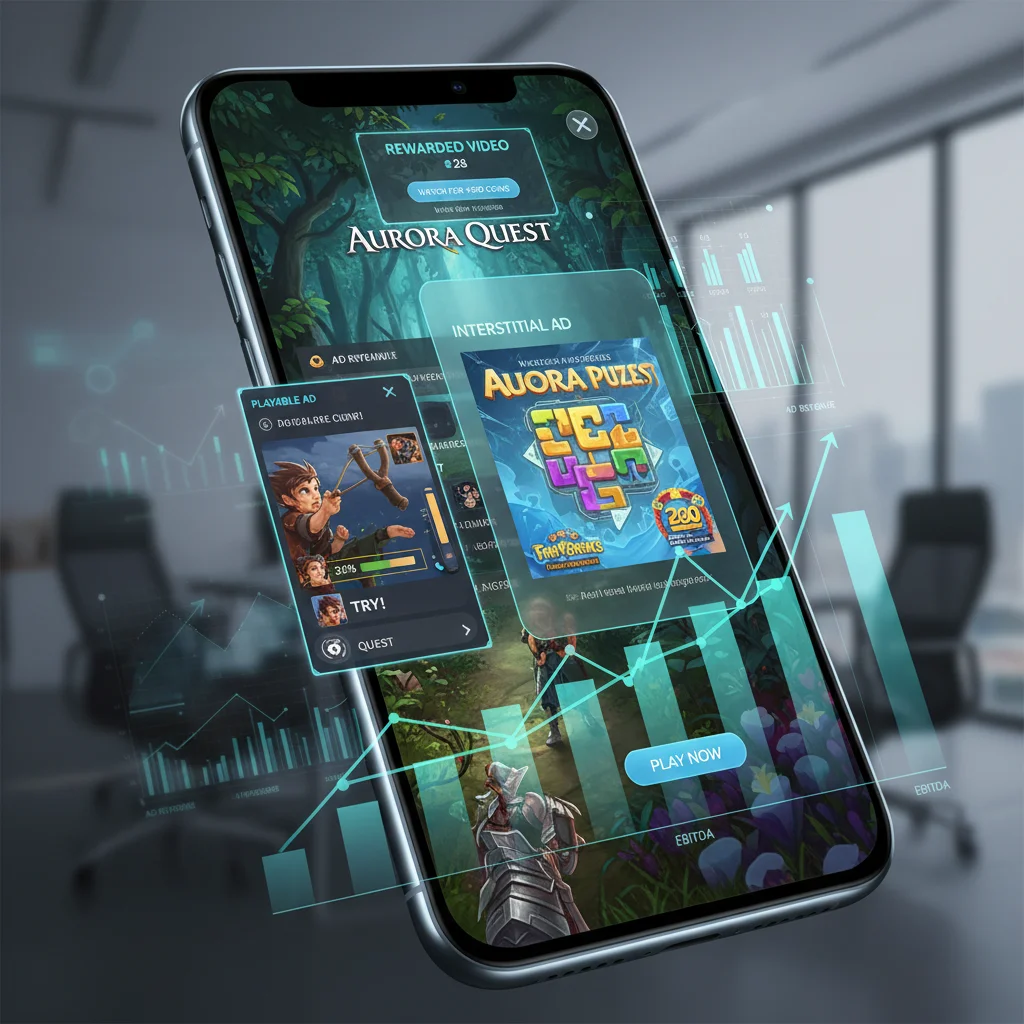
Rewarded video ads are arguably the most popular and effective form of ad monetization in mobile gaming. Players opt-in to watch a short video advertisement in exchange for an in-game reward, such as extra lives, virtual currency, power-ups, or a reduced wait time. This model is a win-win: players get valuable resources without spending money, and developers earn revenue from advertisers. The key to successful rewarded video implementation is offering meaningful rewards that genuinely enhance the player’s progress or experience.
Interstitial Ads: Strategic Placement is Key
Interstitial ads are full-screen advertisements that appear at natural breaks in gameplay, such as between levels, during loading screens, or after a game session ends. While they can be disruptive if poorly implemented, strategic placement can minimize player frustration. The frequency and timing of interstitial ads are critical; too many, or at inconvenient moments, can lead to players uninstalling the game. A balanced approach, often combined with rewarded videos, is essential.
Playable Ads: Engaging and Effective
Playable ads allow users to interact with a short, demo version of another game. These are highly engaging and provide a better preview of the advertised product, leading to higher conversion rates for advertisers. For game developers, playable ads can offer a premium ad experience that feels less intrusive than traditional video ads, maintaining player satisfaction while still generating revenue. They represent a more immersive approach to mobile gaming monetization US.
Offerwalls: Maximizing Engagement for Rewards
Offerwalls present players with a list of tasks (e.g., downloading another app, completing a survey, reaching a certain level in another game) in exchange for significant in-game rewards. While more intensive, offerwalls can provide substantial virtual currency to highly engaged players, often catering to those who prefer to ‘earn’ their way rather than ‘buy’ their way through a game. This strategy requires careful curation of offers to ensure legitimacy and player satisfaction.
The effectiveness of ad monetization in the US market is also heavily influenced by ad network optimization, A/B testing of ad placements and frequencies, and understanding player segments. Sophisticated mediation platforms allow developers to manage multiple ad networks, maximizing fill rates and eCPM (effective cost per mille) to ensure the highest possible revenue from ad impressions. Privacy regulations, such as those related to data tracking, also play an increasing role in how ad monetization is implemented and optimized.
The Rise of Subscription Models
While IAPs and ad monetization have long been staples, subscription models are increasingly gaining traction as a powerful mobile gaming monetization US strategy. Inspired by the success of subscription services in other digital entertainment sectors (e.g., Netflix, Spotify), game developers are finding innovative ways to apply this model to mobile gaming. Subscriptions offer a predictable revenue stream and can foster a strong sense of community and loyalty among dedicated players.
Premium Passes and VIP Subscriptions
Many games offer a ‘premium pass’ or ‘VIP subscription’ that provides subscribers with a range of benefits for a recurring fee. These benefits typically include ad removal, exclusive in-game items, daily virtual currency bonuses, access to special events, faster progression, or unique cosmetic rewards. The goal is to provide enough value to justify the recurring cost, appealing to highly engaged players who are looking for an enhanced, ad-free, and more rewarding experience.
Platform-Wide Subscriptions (e.g., Apple Arcade, Google Play Pass)
Beyond individual game subscriptions, platform-level services like Apple Arcade and Google Play Pass offer curated libraries of premium mobile games for a single monthly fee. These platforms appeal to players who prefer an ad-free, IAP-free gaming experience and are willing to pay for access to a diverse catalog of high-quality titles. For developers, getting a game featured on these platforms can provide significant upfront funding and exposure to a dedicated audience, though the monetization model shifts from direct player spending to a revenue share with the platform.
Hybrid Models: Combining Subscriptions with IAPs
A growing trend is the adoption of hybrid monetization models that combine subscriptions with IAPs. For example, a game might offer a subscription that removes ads and provides daily bonuses, while still allowing players to make additional IAPs for specific cosmetic items or large virtual currency bundles. This approach allows developers to cater to both subscription-averse players and those who are willing to subscribe but also want the flexibility to make additional purchases. Finding the right balance in a hybrid model is crucial to maximizing mobile gaming monetization US.
The success of subscription models hinges on delivering consistent value and fresh content to justify the recurring payment. Developers must continuously update their games with new features, events, and rewards to keep subscribers engaged and prevent churn. Building a strong community and providing excellent customer support also play a significant role in retaining subscribers.
Synergy and Strategic Implementation: Blending Monetization Models
While each of these three strategies—IAPs, ad monetization, and subscriptions—can be effective on their own, the most successful mobile games in the US market often employ a synergistic blend of these models. This allows developers to monetize different segments of their player base effectively, from the ‘whales’ who spend heavily on IAPs, to the ‘dolphins’ who make occasional purchases, and the vast majority of ‘minnows’ who prefer to play for free and engage with ads.
For instance, a common hybrid approach involves offering rewarded video ads for free-to-play players to earn virtual currency or skip wait times, while simultaneously providing IAPs for those who want to accelerate their progress or acquire exclusive items. A subscription option could then be layered on top, offering an ad-free experience, daily bonuses, and access to unique content for a recurring fee. This multi-pronged approach maximizes revenue potential by catering to diverse player preferences and spending habits.
Data Analytics: The Guiding Star
Central to the successful implementation of any monetization strategy, especially a blended one, is robust data analytics. Developers must meticulously track key performance indicators (KPIs) such as ARPPU (Average Revenue Per Paying User), ARPDAU (Average Revenue Per Daily Active User), retention rates, conversion rates, and churn rates. Analyzing this data provides invaluable insights into player behavior, allowing developers to identify what monetization elements are working, what needs optimization, and where new opportunities lie. A/B testing different offers, ad placements, and subscription benefits is crucial for continuous improvement in mobile gaming monetization US.
Ethical Considerations and Player Trust
As monetization strategies become more sophisticated, ethical considerations and maintaining player trust are paramount. ‘Dark patterns’ or manipulative monetization tactics can lead to player backlash, negative reviews, and ultimately, a decline in player base and revenue. Transparency in IAP offerings, fair balancing of free and paid content, and respecting player privacy are not just good practices, but essential for long-term success. Building a positive relationship with players is far more valuable than short-term gains from aggressive monetization.
Future Trends in Mobile Gaming Monetization US
The future of mobile gaming monetization US is likely to see further innovation and integration of emerging technologies. We can expect:
- Increased Personalization: Leveraging AI and machine learning to offer highly personalized IAPs and ad experiences based on individual player behavior and preferences.
- Web3 and Blockchain Integration: While still nascent, the potential for NFTs (Non-Fungible Tokens) and blockchain-based economies to introduce true digital ownership and player-driven economies could revolutionize monetization. This involves players being able to own, trade, and even earn from in-game assets.
- Cloud Gaming’s Influence: As cloud gaming services become more prevalent, they may introduce new subscription tiers or hybrid models that blend access to a vast library of games with in-game purchases.
- Enhanced Social Monetization: Features that encourage gifting, trading, or social competition with monetary incentives could grow, leveraging the social aspects of gaming.
- Interactive Ads and Brand Partnerships: More sophisticated and integrated ad experiences, potentially involving deeper brand partnerships that offer unique in-game content in exchange for engagement.
Staying ahead of these trends and continuously adapting monetization strategies will be key for developers looking to maintain a competitive edge in the bustling US mobile gaming market. The emphasis will remain on creating compelling experiences that players love, while finding elegant and ethical ways to generate revenue.
Conclusion: Mastering Mobile Gaming Monetization in the US
The US mobile gaming market is a land of immense opportunity, but also intense competition. Mastering mobile gaming monetization US requires a deep understanding of player psychology, market trends, and the strategic implementation of diverse revenue models. In-app purchases continue to be the primary driver of revenue, offering a wide array of virtual goods that enhance player experience and progression. Ad monetization, through formats like rewarded videos and playable ads, provides a crucial revenue stream from free-to-play users, effectively subsidizing the game’s development and operation.
Furthermore, subscription models are emerging as a powerful tool for fostering loyalty and generating predictable income, catering to players who value an enriched, ad-free experience. The most successful developers will continue to innovate by blending these strategies, using data analytics to fine-tune their approaches, and always prioritizing player satisfaction and trust. As the mobile gaming industry continues its rapid ascent, those who can deftly navigate the complexities of monetization will be the ones to claim lasting success in the lucrative US market.
The journey of a mobile game from concept to sustained profitability is paved with strategic decisions, and none are more critical than those related to monetization. By embracing these dominant strategies and remaining agile in the face of market shifts, developers can ensure their games not only captivate audiences but also achieve significant commercial success in the competitive US landscape.