The year is 2026, and the gaming industry stands as a titan of entertainment, its growth propelled not just by blockbuster titles and cutting-cutting hardware, but by a vibrant and ever-expanding force: the gaming creator economy. This dynamic ecosystem, fueled by the passion and ingenuity of millions, has transformed how games are played, experienced, and consumed. From charismatic streamers captivating audiences with live gameplay to ingenious modders crafting entirely new experiences within existing virtual worlds, creators are at the heart of gaming’s evolution. This article delves into how four prominent US platforms are not only supporting but actively empowering streamers and modders, providing them with the tools, communities, and monetization opportunities to thrive in this exciting new era.
The concept of the gaming creator economy is simple yet profound: individuals leverage their skills, creativity, and love for gaming to generate value, often directly from their audience. This value can take many forms, from entertainment and education to custom game content and unique community experiences. What began as a niche pursuit has blossomed into a multi-billion dollar industry, offering viable career paths for those with the dedication and talent to carve out their own space. In 2026, the infrastructure supporting these creators has matured significantly, offering more robust tools, better monetization models, and stronger community safeguards than ever before.
Understanding the nuances of this economy requires examining the platforms that serve as its backbone. These platforms are more than just hosting services; they are vibrant marketplaces, social hubs, and financial conduits that connect creators with their global audiences. The focus here will be on four key US-based platforms that have demonstrably shaped and continue to drive the gaming creator economy forward: Twitch, Patreon, Nexus Mods, and Roblox. Each of these platforms, in its unique way, offers a distinct set of opportunities and challenges for the modern gaming creator, contributing to a diverse and resilient ecosystem.
The Rise of the Streamer: Twitch and Live Content Monetization
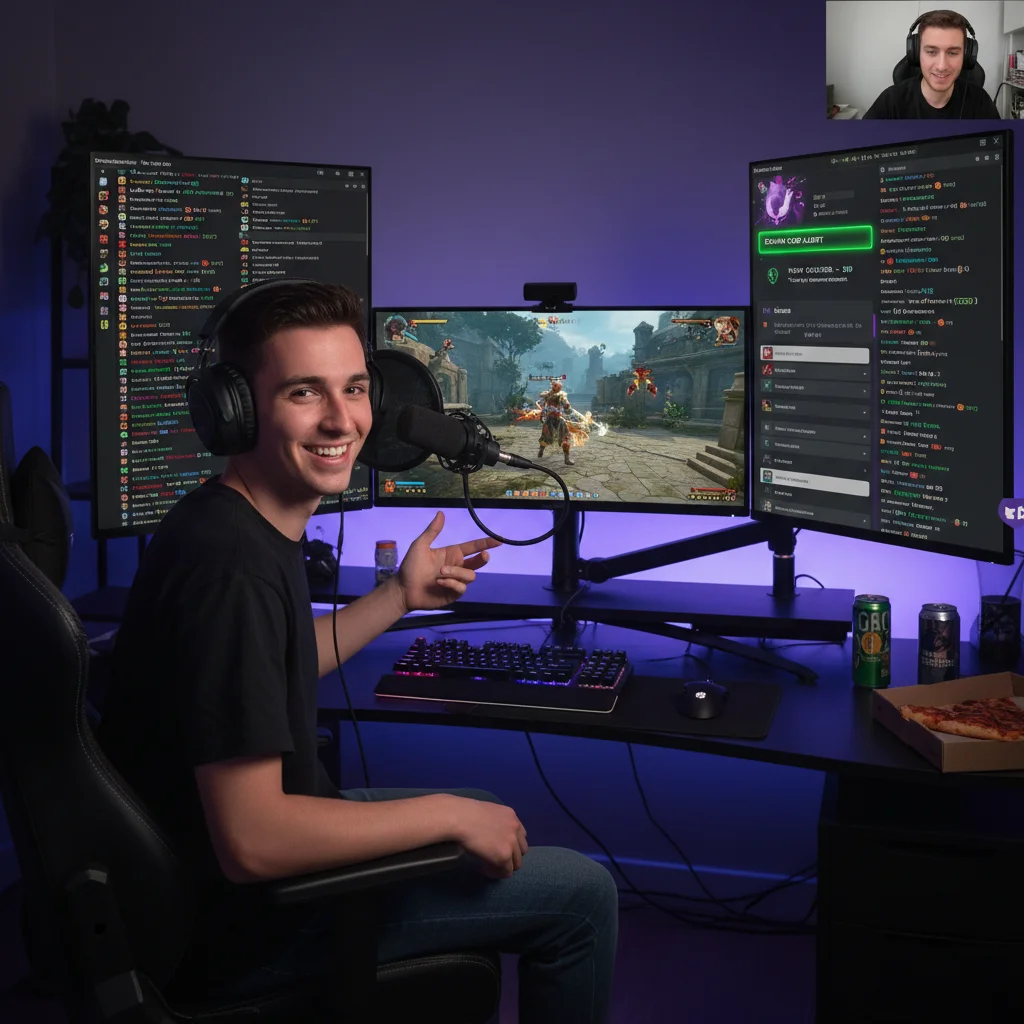
When discussing the gaming creator economy, it’s impossible to overlook Twitch. Acquired by Amazon in 2014, Twitch has solidified its position as the undisputed king of live game streaming. In 2026, Twitch continues to innovate, offering streamers an increasingly sophisticated suite of tools for content creation, audience engagement, and, crucially, monetization. The platform’s success lies in its ability to foster a direct, intimate connection between streamers and their viewers, creating communities that often feel like extended families.
Twitch’s monetization model is multifaceted, providing several avenues for creators to earn an income. Subscriptions remain a cornerstone, allowing viewers to pay a monthly fee for ad-free viewing, exclusive emotes, and other perks, with a significant portion of this revenue going directly to the streamer. Bits, Twitch’s virtual currency, enable viewers to cheer for their favorite streamers, acting as a direct micro-donation system. Advertisements, while sometimes a point of contention for viewers, also contribute a steady stream of revenue. Beyond these core methods, Twitch has expanded its offerings to include direct merchandise sales integrations, affiliate marketing opportunities, and even bespoke brand sponsorships facilitated through the platform.
In 2026, Twitch has further refined its creator programs, offering tiered support and resources. The Twitch Partner program, for instance, provides higher revenue shares, dedicated support, and access to advanced features, incentivizing growth and professionalization. The platform has also invested heavily in discoverability tools, helping new and emerging streamers find their audience amidst the vast sea of content. Features like ‘Squad Stream’ and ‘Raids’ encourage collaboration and community building, vital components for sustained growth in the competitive streaming landscape.
However, the journey on Twitch isn’t without its challenges. The sheer volume of content means discoverability can be tough for newcomers. Maintaining a consistent schedule, engaging an audience, and dealing with the inevitable trolls and negativity require significant dedication and resilience. Yet, for those who master the art of live broadcasting, Twitch offers an unparalleled platform to turn a passion for gaming into a full-time career, cementing its role as a vital pillar of the gaming creator economy.
Empowering Independent Creators: Patreon and Direct Fan Support
While Twitch excels in live content, Patreon has carved out its niche as the premier platform for creators seeking direct, recurring financial support from their most dedicated fans. In the gaming creator economy of 2026, Patreon serves a diverse array of creators, from YouTube content creators and podcasters discussing gaming topics to indie game developers, artists, and even modders looking for a stable income stream to fund their projects. Patreon’s strength lies in its simplicity: it allows fans (patrons) to pledge monthly amounts to their favorite creators in exchange for exclusive content, early access, or behind-the-scenes insights.
For gaming creators, Patreon offers a powerful alternative or supplement to ad-based revenue, which can be volatile and unpredictable. By building a community of patrons, creators gain a more stable and reliable income, freeing them to focus on producing high-quality content without constant pressure to chase viral trends. This stability is particularly crucial for smaller, niche creators or those working on long-term projects like intricate game mods or expansive lore videos.
In 2026, Patreon has continued to evolve its platform to better serve the gaming community. This includes enhanced integration with other platforms, making it easier for creators to offer exclusive content directly to their patrons, whether it’s private Discord servers, early access to game builds, or bonus streams. The platform has also introduced more flexible payment tiers and benefits management, allowing creators to tailor their offerings to different levels of support, from a few dollars a month for basic access to significant contributions for personalized interactions or unique digital rewards.
The direct relationship fostered by Patreon is invaluable. It transforms casual viewers into invested patrons, creating a stronger sense of community and shared purpose. For modders, for example, Patreon can fund the extensive hours required to develop complex modifications, allowing them to dedicate more time to their craft and deliver higher quality experiences to players. This direct support model is a testament to the audience’s willingness to invest in the creators they believe in, making Patreon an indispensable tool in the modern gaming creator economy.
The Modding Revolution: Nexus Mods and User-Generated Content
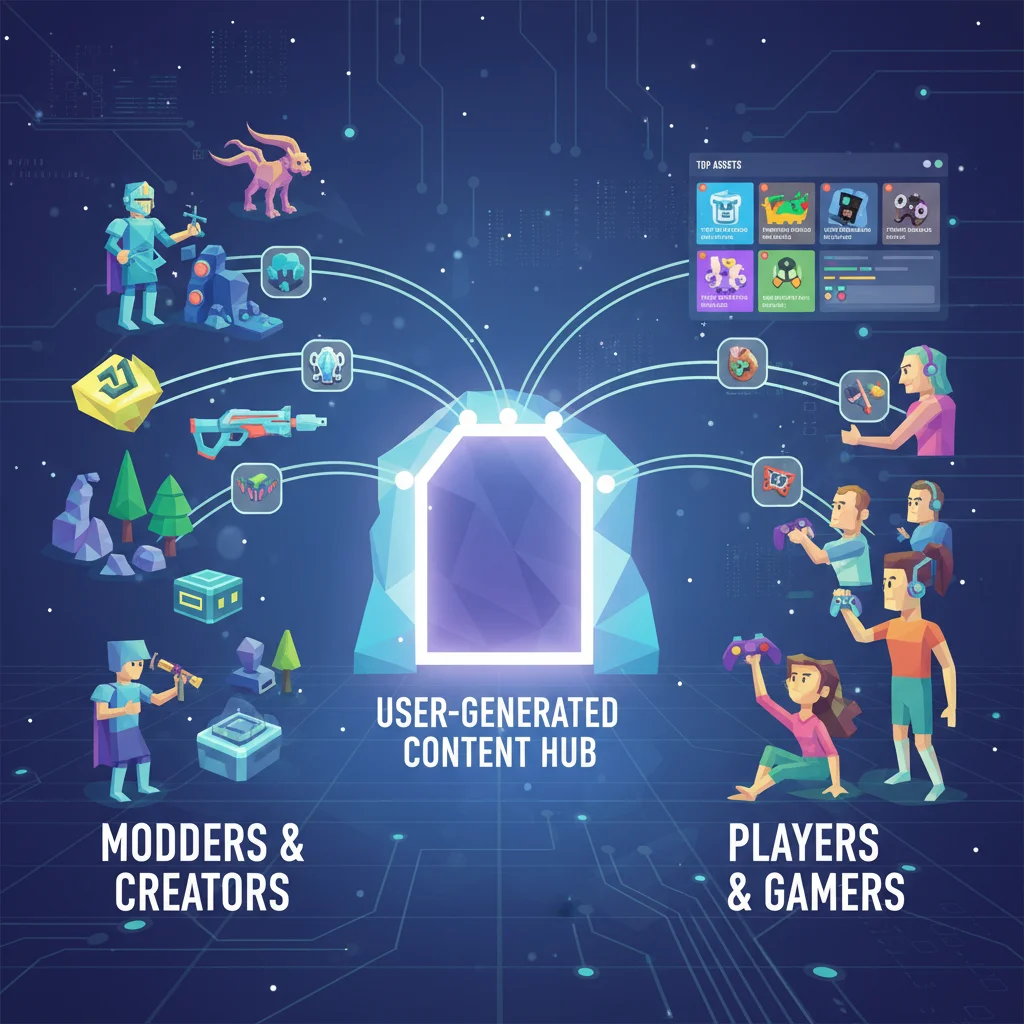
The spirit of customization and enhancement has long been a cornerstone of PC gaming, and in 2026, Nexus Mods remains the dominant platform for user-generated content (UGC), specifically game modifications. For millions of players, mods breathe new life into beloved titles, fix bugs, enhance graphics, or introduce entirely new gameplay mechanics. For modders, Nexus Mods is not just a repository; it’s a community, a development hub, and an increasingly viable avenue for recognition and even financial support within the gaming creator economy.
Nexus Mods hosts an astonishing array of modifications for thousands of games, ranging from minor tweaks to colossal overhauls. The platform provides modders with the infrastructure to upload, categorize, and manage their creations, making them easily discoverable by a global audience. The robust rating and comment systems allow for feedback and collaboration, fostering a vibrant ecosystem of continuous improvement and innovation.
In 2026, Nexus Mods has further refined its support for modders. While direct monetization through sales of mods remains a complex and often controversial topic due to intellectual property rights, Nexus Mods has implemented various systems to reward creators. The ‘Donation Points’ system, for instance, allows users to support modders directly, with these points being convertible into real currency. The platform also features prominent showcases for popular and well-made mods, providing valuable visibility and encouraging further development. Many modders also leverage platforms like Patreon (as discussed above) to secure direct funding for their projects, using Nexus Mods as their primary distribution channel.
The impact of modding on the gaming industry is profound. It extends the lifespan of games, enriches player experiences, and often serves as a proving ground for aspiring game developers. Many features that eventually become standard in official game releases originated as community mods. Nexus Mods, by providing a centralized and well-managed platform, empowers countless individuals to contribute their creativity and technical skills, demonstrating the immense power of UGC within the gaming creator economy.
Building Worlds: Roblox and the Power of Creator-Driven Games
Roblox stands apart from the other platforms discussed, not just as a game, but as a vast, user-generated metaverse where millions of creators build and share their own games and experiences. In 2026, Roblox continues its meteoric rise, demonstrating an unparalleled commitment to empowering its developer community. The platform’s success is entirely predicated on its creators, who design everything from simple obbies to complex role-playing games, all within the Roblox Studio environment.
The core of Roblox’s gaming creator economy is its virtual currency, Robux. Developers earn Robux through various means, including in-game purchases (like game passes and virtual items), premium payouts (based on engagement from Premium subscribers), and developer exchange (DevEx), which allows them to convert earned Robux into real-world currency. This direct monetization model has enabled countless young developers and small studios to earn significant incomes, turning their creative ideas into tangible financial success.
In 2026, Roblox has expanded its creator tools and support programs even further. Roblox Studio has become more sophisticated, offering advanced scripting capabilities, improved asset creation tools, and better analytics for developers to understand their audience. The platform has also invested in educational initiatives, providing resources and tutorials to help aspiring creators learn game development. Regular developer conferences and forums foster a strong sense of community and knowledge sharing.
The beauty of Roblox lies in its accessibility. While professional developers can create highly complex experiences, even beginners can quickly grasp the basics and build their first game. This low barrier to entry, combined with a massive global audience (especially among younger demographics), makes Roblox a unique and powerful engine for the gaming creator economy. It exemplifies a future where players are not just consumers but active participants and architects of their own digital worlds, continually generating new content and experiences.
The Interconnected Future of the Gaming Creator Economy
Looking at Twitch, Patreon, Nexus Mods, and Roblox in 2026, it’s clear that the gaming creator economy is not a monolithic entity but a diverse, interconnected web of platforms and opportunities. While each platform serves distinct needs, there’s significant overlap and synergy. A successful streamer on Twitch might use Patreon to offer exclusive content to their most loyal fans, while a modder on Nexus Mods might fund their projects through Patreon and stream their development process on Twitch. Roblox developers often leverage external platforms for community building and promotional content.
The trends visible across these platforms highlight several key aspects of the evolving gaming creator economy:
- Diversified Monetization: Creators are increasingly relying on multiple income streams, moving beyond single-source revenue like ad revenue. Subscriptions, direct donations, merchandise, and in-game purchases all contribute to a more stable financial foundation.
- Community as Currency: Strong, engaged communities are more valuable than ever. Platforms that facilitate direct interaction and foster a sense of belonging are crucial for creator success and audience retention.
- Tools for Empowerment: The continuous development of user-friendly yet powerful tools for content creation, game development, and audience management is central to lowering barriers to entry and enabling higher quality output.
- The Rise of the Independent: The creator economy empowers individuals and small teams to compete with larger studios and media organizations, democratizing content creation and fostering innovation from the ground up.
- Intellectual Property & Fair Compensation: As the economy grows, so do discussions around intellectual property rights for UGC and ensuring fair compensation models for creators. Platforms are continually refining their policies to balance creator incentives with legal and ethical considerations.
The gaming creator economy in 2026 is a testament to the power of human creativity and connection within the digital realm. It’s a landscape where passion can be monetized, where communities rally around shared interests, and where the lines between consumer and creator continue to blur. The platforms discussed – Twitch, Patreon, Nexus Mods, and Roblox – are not just facilitators; they are architects of this new digital frontier, constantly evolving to meet the demands of a dynamic and innovative global community.
Challenges and Opportunities Ahead
Despite its impressive growth, the gaming creator economy faces ongoing challenges. The sheer volume of content means discoverability issues persist, making it harder for new creators to gain traction. Burnout is a real concern for many streamers and developers who constantly strive to produce engaging content. Furthermore, the evolving regulatory landscape, particularly concerning data privacy, child safety (especially on platforms like Roblox), and intellectual property, presents complex hurdles that platforms and creators must navigate.
However, these challenges are dwarfed by the immense opportunities. The continued expansion of gaming into new markets, the proliferation of new technologies like virtual and augmented reality, and the increasing mainstream acceptance of gaming as a legitimate career path all point to a future of sustained growth. Platforms will likely continue to invest in AI-powered tools for content moderation, audience analytics, and even creative assistance, further empowering creators.
The integration of blockchain technology and NFTs, while still in nascent stages, also presents a potential paradigm shift for creator ownership and monetization, offering new ways for creators to control and profit from their digital assets. While the long-term impact remains to be fully seen, it’s an area that platforms are actively exploring and experimenting with.
The gaming creator economy is a living, breathing entity, constantly adapting and reinventing itself. The four US platforms highlighted here are instrumental in shaping its trajectory, providing the infrastructure for millions to turn their gaming passion into a profession. As we move further into the 2020s, the creativity, innovation, and entrepreneurial spirit of streamers and modders will undoubtedly continue to redefine the boundaries of what’s possible in the world of gaming.
In conclusion, the gaming creator economy in 2026 is a powerful force, driven by the symbiotic relationship between talented individuals and the platforms that empower them. Twitch, Patreon, Nexus Mods, and Roblox each play a critical role, fostering unique communities and offering diverse monetization pathways. Their continued evolution and commitment to supporting creators will be key to the ongoing expansion and innovation within the global gaming landscape. The future of gaming is not just in the hands of developers; it’s increasingly in the hands of its vibrant and dedicated creator community.