The gaming industry in the United States continues its meteoric rise, evolving at an unprecedented pace. As we cast our gaze towards 2026, understanding the intricate web of player motivations and the critical factors driving retention rates becomes paramount for developers, publishers, and community managers alike. This isn’t merely about creating engaging games; it’s about fostering sustainable ecosystems where players feel valued, challenged, and connected. The landscape of US gaming motivation is complex, influenced by technological advancements, shifting demographics, and an ever-expanding array of gaming experiences. To thrive in this dynamic environment, a deep dive into the ‘why’ behind player choices is no longer a luxury but a necessity. This comprehensive analysis will explore the multifaceted aspects of US gaming motivation and retention, offering actionable insights for the years to come.

How would you like to receive it?
Select the option that suits you best.
The Evolving Landscape of US Gaming Motivation
Gone are the days when gaming was a niche hobby; it is now a mainstream cultural phenomenon, deeply embedded in the lives of millions across the United States. This expansion brings with it a diverse player base, each with unique reasons for picking up a controller, tapping a screen, or donning a VR headset. Understanding this diversity is the first step in decoding US gaming motivation. What drives a player to invest countless hours into a virtual world? Is it the thrill of competition, the escapism offered by rich narratives, the camaraderie of online communities, or the satisfaction of mastering complex mechanics? The answer, more often than not, is a combination of these elements, tailored to individual preferences and the specific game experience.
Intrinsic vs. Extrinsic Motivators in Gaming
At its core, player motivation can be broadly categorized into intrinsic and extrinsic factors. Intrinsic motivators stem from within the individual – the inherent enjoyment of the activity itself. This includes feelings of accomplishment, mastery, autonomy, and relatedness. When a game successfully taps into these intrinsic desires, players are more likely to experience deep engagement and long-term satisfaction. Consider the satisfaction of solving a difficult puzzle, the joy of exploring a beautifully crafted open world, or the pride in perfecting a challenging skill. These are powerful drivers of US gaming motivation.
Extrinsic motivators, on the other hand, are external rewards or pressures. This could be anything from in-game currency, cosmetic items, leader board rankings, or social recognition. While extrinsic rewards can provide initial hooks and short-term engagement, their effectiveness often wanes if not supported by strong intrinsic motivators. The challenge for game developers in 2026 will be to strike a delicate balance, using extrinsic rewards to complement, rather than overshadow, the inherent fun and challenge of the game. Over-reliance on extrinsic motivators can lead to burnout or a feeling of ‘grind,’ ultimately harming player retention.
Key Motivational Archetypes for US Gamers
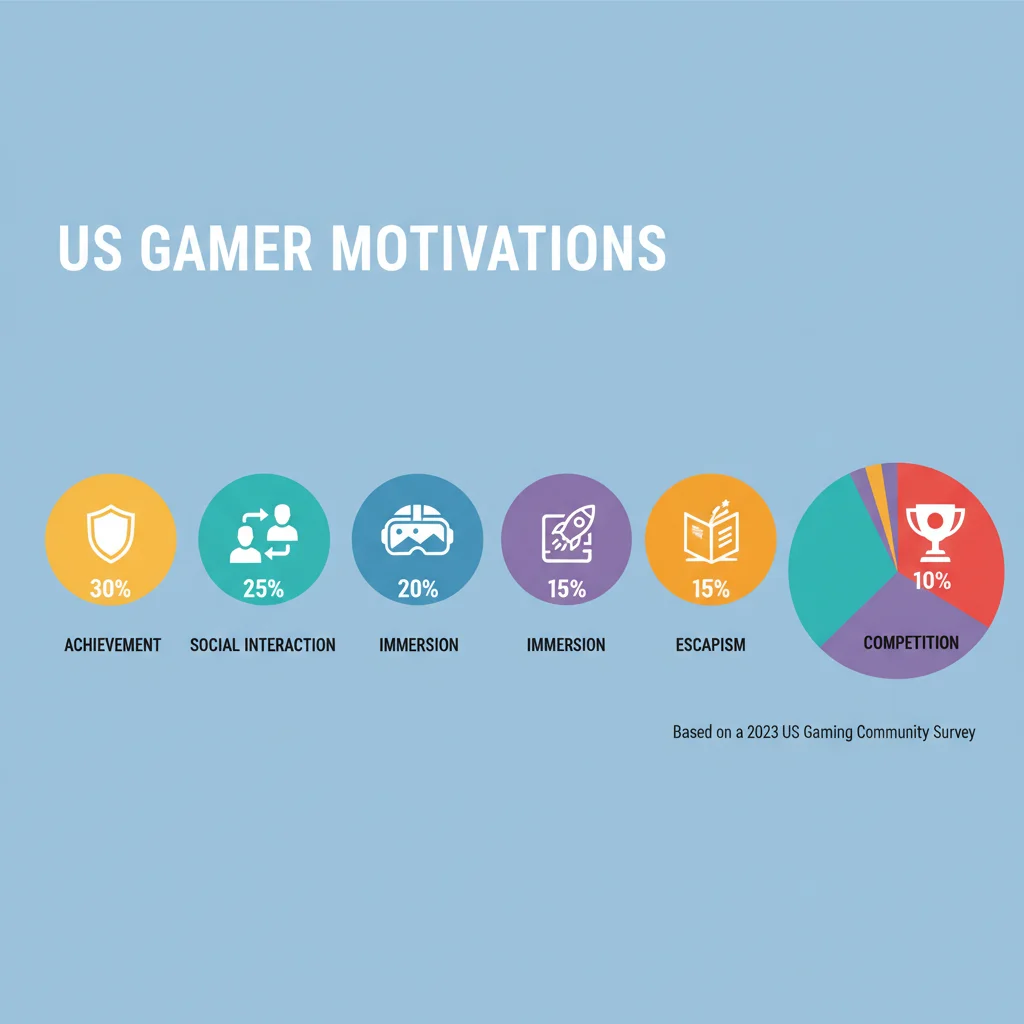
Research into player psychology has identified several common archetypes that help us understand US gaming motivation. While not exhaustive, these archetypes provide a useful framework:
- Achievers: These players are driven by goals, challenges, and the desire to master game systems. They seek out difficult tasks, strive for completion, and often enjoy collecting achievements and trophies.
- Explorers: Curiosity is their primary driver. Explorers love discovering new areas, uncovering lore, and experimenting with game mechanics. They value freedom and the ability to forge their own path.
- Socializers: For these players, gaming is a social activity. They are motivated by interaction with others, forming communities, cooperating in teams, and engaging in friendly competition.
- Killers/Competitors: While the term ‘killer’ might sound aggressive, it refers to players who thrive on direct competition with others. They enjoy testing their skills against human opponents, climbing leader boards, and proving their dominance.
- Immersives/Role-Players: These players seek deep immersion in game worlds and narratives. They enjoy role-playing, becoming part of the story, and experiencing rich, believable environments.
- Casuals/Relaxers: Many players engage with games for relaxation, stress relief, or simply to pass the time without intense commitment. Simple, accessible gameplay and low-pressure environments are key for this group.
Understanding which of these archetypes (or combinations thereof) a game primarily caters to is crucial for designing effective engagement and retention strategies within the US gaming market. A game that tries to be everything to everyone often ends up appealing strongly to no one. Specialization, or at least a clear understanding of the target audience’s primary motivations, is vital.
Understanding Retention Rates: Why Players Stay (or Leave)
Acquiring new players is only half the battle; retaining them is where long-term success is truly forged. Retention rates are a critical metric in the gaming industry, directly impacting profitability and community health. In 2026, with an increasingly crowded market, the fight for player attention is more intense than ever. Low retention often signals underlying issues with game design, community management, or content delivery.
Factors Influencing Player Retention in US Gaming
Several key factors contribute to whether a player decides to stick with a game or move on. These factors are often intertwined with the core US gaming motivation drivers discussed earlier:
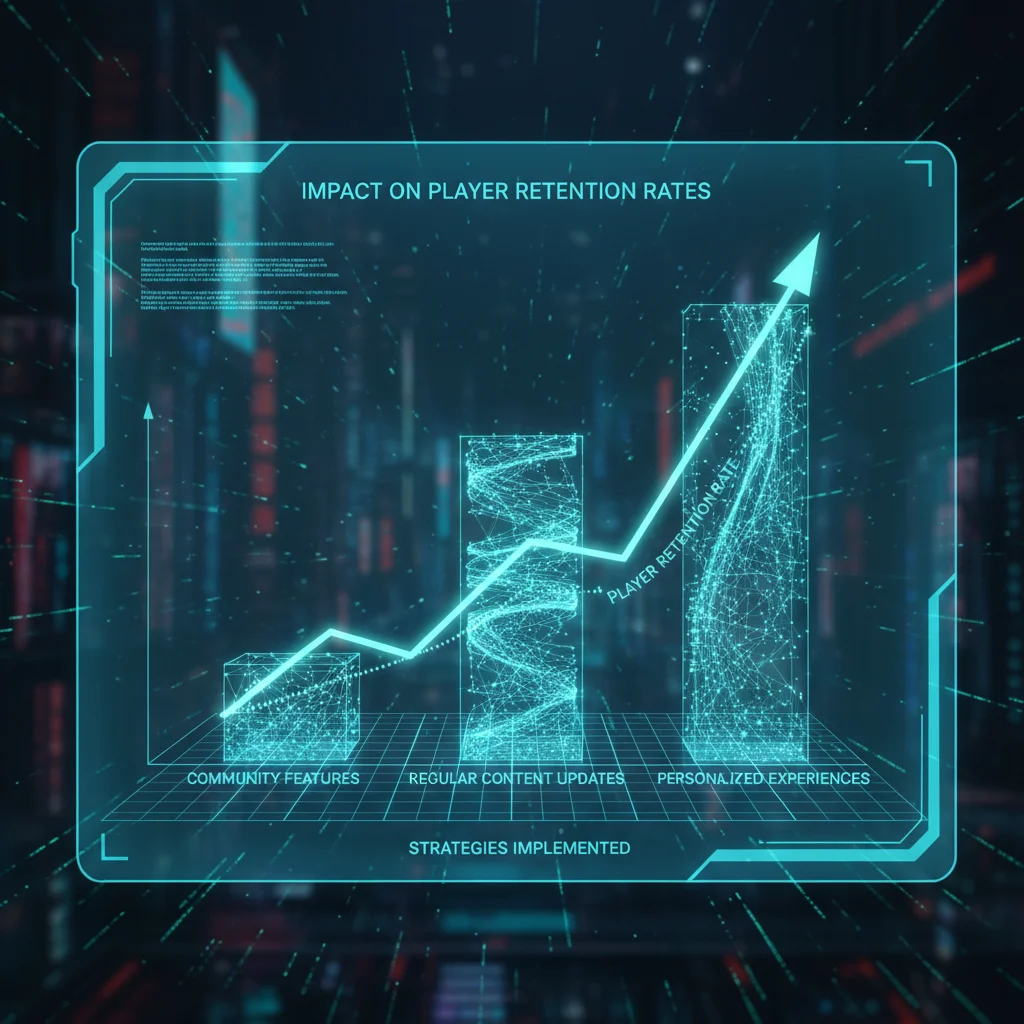
- Continuous Content Updates: Stagnation is the enemy of retention. Regular, meaningful content updates – new levels, characters, game modes, story expansions, or even seasonal events – keep players coming back and provide fresh reasons to engage.
- Strong Community and Social Features: For many US gamers, the social aspect is a primary draw. Robust in-game communication tools, guilds/clans, co-op modes, and easy ways to connect with friends significantly boost retention. A toxic community, conversely, can drive players away rapidly.
- Fair Monetization Practices: While free-to-play models are prevalent, aggressive or ‘pay-to-win’ monetization can severely harm retention. Players appreciate value and fairness; exploitative practices lead to resentment and churn.
- Responsive Developer Communication: Players appreciate feeling heard. Developers who actively engage with their community, listen to feedback, provide transparent updates, and address issues promptly build trust and loyalty.
- Balanced Gameplay and Progression: A game that is too easy quickly becomes boring, while one that is too difficult can lead to frustration. A well-tuned difficulty curve, meaningful progression systems, and a sense of constant improvement are vital.
- Personalization and Customization: Allowing players to personalize their experience, whether through character customization, housing systems, or gameplay choices, fosters a deeper sense of ownership and connection to the game.
- Effective Anti-Cheat Measures: For competitive games, a fair playing field is paramount. The presence of cheaters quickly erodes trust and drives legitimate players away.
The Role of Data Analytics in Understanding US Gaming Motivation and Retention
In 2026, data analytics is no longer an optional extra; it’s the backbone of strategic game development and live operations. By meticulously tracking player behavior, developers can gain unparalleled insights into what drives US gaming motivation and where retention efforts can be optimized. This includes:
- Player Journey Mapping: Understanding how players interact with the game from their first login to their hundredth. Where do they spend their time? What content do they engage with most? Where do they drop off?
- Behavioral Segmentation: Grouping players based on their in-game actions and preferences. This allows for targeted content delivery, personalized promotions, and more effective community management. For example, identifying ‘whales’ (high-spending players) versus ‘social butterflies’ (players primarily focused on interaction).
- Churn Prediction Models: Using predictive analytics to identify players at risk of leaving the game before they actually do. This enables proactive interventions, such as personalized offers or outreach, to re-engage them.
- A/B Testing: Experimenting with different game features, monetization strategies, or marketing messages to see what resonates best with the player base and positively impacts retention.
- Sentiment Analysis: Monitoring social media, forums, and in-game chat for player sentiment to gauge overall satisfaction and identify emerging issues or trends related to US gaming motivation.
The ethical use of data is also a growing concern. Transparency with players about data collection and ensuring data privacy will be crucial for maintaining trust and fostering a positive relationship with the gaming community in 2026.
Emerging Trends Impacting US Gaming Motivation and Retention in 2026
The gaming landscape is constantly shifting, and several key trends are set to significantly influence US gaming motivation and retention in the coming years:
Cross-Platform Play and Progression
The expectation for seamless gaming across multiple devices is growing. Players want to pick up where they left off, regardless of whether they’re on a PC, console, or mobile device. Games that offer robust cross-platform play and progression will inherently have a higher retention potential, removing barriers to engagement and catering to diverse lifestyles.
The Metaverse and Persistent Worlds
While still in its nascent stages, the concept of the metaverse – persistent, interconnected virtual worlds – holds immense potential for future US gaming motivation. These environments promise deeper immersion, richer social interactions, and entirely new forms of player expression and ownership. Games that successfully integrate metaverse-like elements could see unprecedented levels of long-term retention.
User-Generated Content (UGC)
Empowering players to create and share their own content significantly boosts engagement and retention. Whether it’s custom maps, character skins, game modes, or even entire narratives, UGC platforms transform players from consumers into creators, fostering a deeper sense of ownership and community. Games like Roblox and Minecraft are prime examples of the power of UGC in driving sustained US gaming motivation.
AI-Powered Personalization
Artificial intelligence will play an increasingly sophisticated role in tailoring gaming experiences to individual players. This could manifest as dynamically adjusting difficulty, recommending content, personalizing in-game events, or even creating adaptive narratives. AI-driven personalization aims to keep players constantly engaged by offering experiences that perfectly align with their unique US gaming motivation profile.
Wellness and Digital Well-being
As gaming becomes more integrated into daily life, there’s a growing focus on digital well-being. Games that incorporate features promoting healthy play habits, offer mindful breaks, or provide tools for managing screen time may see increased favor among players and parents, contributing to more sustainable engagement rather than burnout. This aligns with a broader societal trend towards healthier digital consumption.
Strategies for Boosting Player Retention in the US Gaming Market
Given the insights into US gaming motivation, what actionable strategies can developers and publishers employ to improve retention rates in 2026?
1. Cultivate Thriving Communities
A strong, positive community is arguably the most powerful retention tool. This involves:
- Active Moderation: Ensuring a safe and welcoming environment by quickly addressing toxicity and harassment.
- Community Events: Organizing in-game and out-of-game events, contests, and tournaments to foster interaction and excitement.
- Developer Engagement: Regular communication, Q&As, and transparent development roadmaps build trust and make players feel like part of the journey.
- Player-Generated Content Support: Providing tools and platforms for players to create and share content, rewarding creativity.
2. Implement Dynamic Content Roadmaps
Planning for the long-term is essential. A clear content roadmap that signals future updates, expansions, and events keeps players invested. This doesn’t just mean adding more; it means adding meaningful content that aligns with existing player motivations and introduces new ones. Seasonal events, battle passes with compelling rewards, and regular balance updates are all part of this strategy.
3. Leverage Personalization and Behavioral Analytics
Move beyond one-size-fits-all approaches. Utilize data to understand individual player preferences and tailor experiences accordingly. This could include:
- Personalized Recommendations: Suggesting content, activities, or social groups based on a player’s past behavior.
- Dynamic Difficulty Adjustment: Ensuring the game remains challenging but not frustrating for each player.
- Targeted Offers: Presenting in-game purchases or promotions that resonate with a player’s known interests.
4. Prioritize User Experience and Accessibility
A smooth, intuitive, and accessible user experience (UX) is foundational for retention. This includes:
- Seamless Onboarding: A clear and engaging tutorial that eases new players into the game’s mechanics.
- Intuitive UI: Easy-to-navigate menus and clear information presentation.
- Performance Optimization: Ensuring the game runs smoothly across a range of devices, minimizing bugs and technical issues.
- Accessibility Options: Providing options for players with disabilities (e.g., colorblind modes, customizable controls, subtitles) expands the audience and demonstrates inclusivity.
5. Embrace Cross-Platform and Cross-Progression
In 2026, gamers expect flexibility. Developing games with cross-platform play and progression from the outset is no longer a niche feature but a competitive advantage. This allows players to engage with their friends regardless of their preferred device and ensures their progress isn’t locked to a single platform, significantly boosting convenience and thus, retention.
6. Ethical Monetization and Value Proposition
While monetization is essential for game sustainability, it must be approached ethically. Players are increasingly savvy and will quickly abandon games perceived as exploitative. Focus on providing real value through:
- Cosmetic-Only Microtransactions: Offering customization options that don’t impact gameplay balance.
- Fair Battle Passes: Providing a clear path to earn valuable rewards through consistent play.
- Transparent Loot Box Mechanics: If loot boxes are used, clear disclosure of odds is crucial.
- Optional Subscriptions: Offering premium content or benefits for a recurring fee, ensuring value for money.
Conclusion: The Future of US Gaming Motivation and Retention
As we look forward to 2026, the US gaming market will continue to be defined by its diversity, dynamism, and an ever-increasing demand for meaningful engagement. Understanding US gaming motivation is the bedrock upon which successful retention strategies are built. It’s about recognizing that players are not a monolithic entity, but individuals driven by unique desires for achievement, social connection, immersion, and self-expression.
Developers and publishers who prioritize data-driven insights, foster vibrant communities, deliver consistent and personalized content, and embrace ethical practices will be best positioned to not only attract but also retain players for the long haul. The future of gaming in the US is bright, promising deeper, more interconnected, and more personalized experiences than ever before. By truly understanding the ‘why,’ the industry can continue to innovate and deliver captivating worlds that keep players coming back for years to come.
The journey to sustained player engagement is continuous, requiring constant adaptation and a deep empathy for the player experience. By focusing on the core drivers of US gaming motivation and implementing robust retention strategies, the industry can ensure its continued growth and success in the competitive landscape of 2026 and beyond.