Beyond the Grind: How US Players Are Finding Deeper Meaning and Enjoyment in Gaming by 2026
The gaming landscape in the United States is undergoing a profound transformation. What was once predominantly viewed as a pastime for leisure or competitive sport is rapidly evolving into a multifaceted platform for personal growth, community building, and deeply meaningful experiences. By 2026, the shift will be undeniably clear: US players are moving beyond the grind, seeking more than just high scores or competitive victories. They are craving narratives that resonate, communities that uplift, and gameplay that offers genuine personal fulfillment. This evolution is not merely a trend; it’s a fundamental redefinition of what gaming means to millions.
For decades, the allure of gaming often centered on challenge, achievement, and escapism. While these elements remain crucial, a new wave of expectations is emerging. Players are increasingly looking for games that offer rich storytelling, foster social connections, provide avenues for creative expression, and even contribute to real-world skill development. This article delves into the key drivers behind this exciting US gaming evolution, exploring how developers, platforms, and players themselves are shaping a future where gaming is synonymous with deeper engagement and enjoyment.

How would you like to receive it?
Select the option that suits you best.
The Shifting Sands of Player Motivation: What Drives US Gamers Now?
To understand the US gaming evolution, we must first examine the changing motivations of its players. The stereotypical image of the solitary gamer striving for individual glory is increasingly outdated. While competitive gaming (esports) continues to thrive, a significant portion of the player base is gravitating towards experiences that prioritize collaboration, narrative depth, and personal expression.
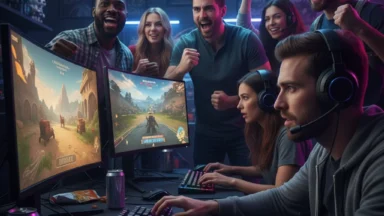
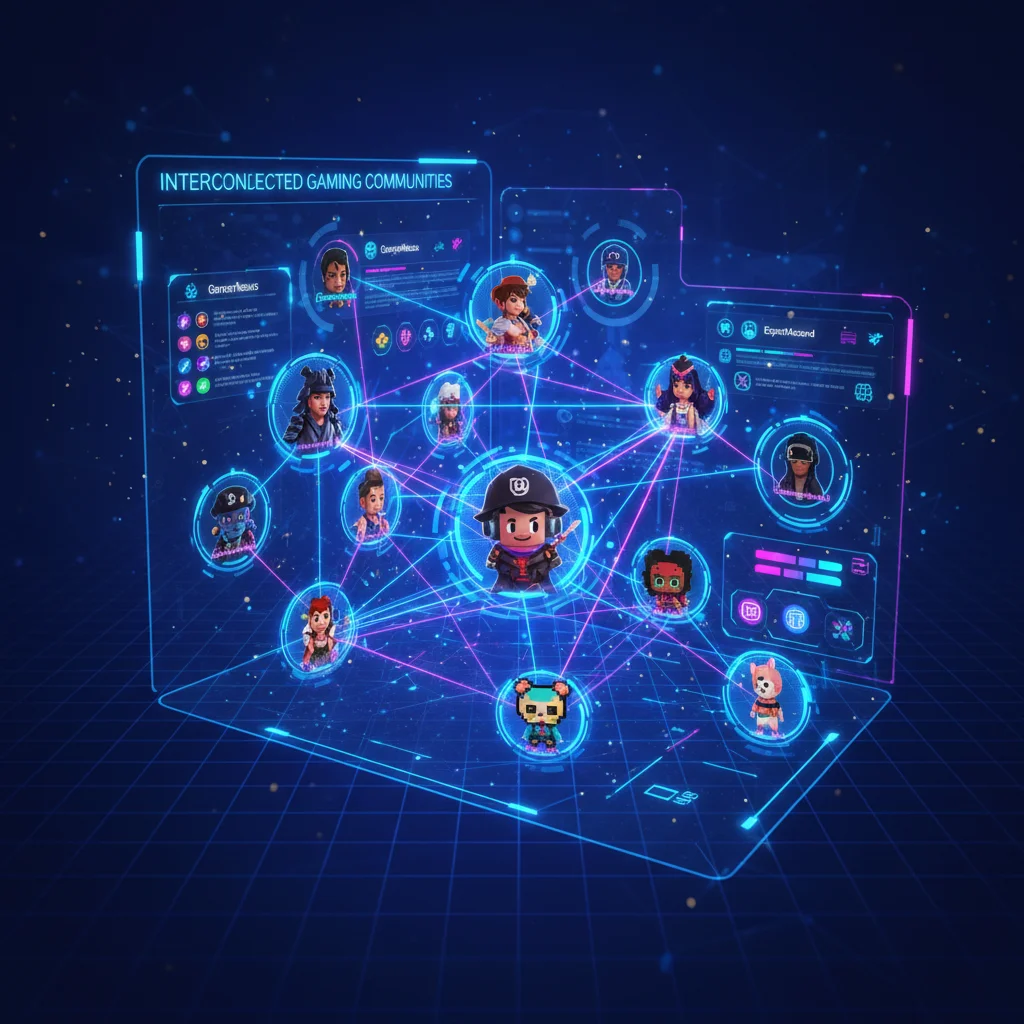
One of the most significant shifts is the desire for meaningful social interaction. Online gaming has always offered a social component, but by 2026, this will extend far beyond simple team play. Players are seeking genuine communities within games, spaces where they can forge lasting friendships, share experiences, and support one another. This includes not only in-game guilds and clans but also broader communities formed around specific games, genres, or even streamers on platforms like Twitch and YouTube. These communities provide a sense of belonging and shared purpose that transcends the game itself, contributing significantly to the overall enjoyment.
Another powerful motivator is the pursuit of personal growth and skill development. Modern games, especially those in genres like strategy, puzzle, and even certain RPGs, can hone critical thinking, problem-solving, and strategic planning abilities. Players are recognizing this latent potential and actively seeking games that challenge them intellectually, offering a sense of accomplishment that goes beyond merely winning. Educational games, once a niche, are also seeing a resurgence, as players look for entertaining ways to learn new skills or explore complex topics.
Furthermore, the demand for rich, immersive storytelling is at an all-time high. Players are no longer content with thinly veiled plots; they want intricate narratives, compelling characters, and choices that genuinely impact the game world. This desire for narrative depth transforms gaming from a simple activity into an interactive form of art, allowing players to become active participants in epic sagas. This immersion fosters a deeper emotional connection to the game, making the experience far more memorable and impactful.
The Rise of Community-Centric Gaming: More Than Just Multiplayer
The concept of community in gaming is undergoing a significant transformation, moving far beyond the grind of traditional multiplayer modes. By 2026, community-centric gaming will be a cornerstone of the US gaming evolution, with players actively seeking and building spaces where shared experiences, mutual support, and collaborative creativity flourish.
This shift is evident in the burgeoning popularity of cooperative games that emphasize teamwork and shared objectives over individual accolades. Games that require players to work together to solve complex puzzles, overcome formidable enemies, or build intricate worlds are gaining immense traction. This fosters a sense of camaraderie and collective achievement that is profoundly rewarding.
Beyond structured gameplay, informal communities are thriving. Discord servers, subreddits, and dedicated forums for specific games have become vibrant hubs for discussion, strategy sharing, and social interaction. Players gather to dissect lore, create fan art, organize in-game events, and even just chat about their day. These spaces provide a vital social outlet, particularly for individuals who might struggle with traditional social settings, offering a sense of acceptance and belonging.
The role of content creators and streamers has also become integral to community building. Streamers often cultivate loyal fan bases that feel like extended families, interacting directly with their audience, playing games together, and fostering a shared culture. This parasocial relationship, while not a direct friendship, provides a sense of connection and entertainment that significantly enhances the overall gaming experience for many. The ability to watch, learn, and engage with popular personalities makes gaming feel more accessible and inclusive.
Moreover, user-generated content (UGC) platforms are empowering players to become creators themselves, further cementing the community aspect. Games like Minecraft, Roblox, and Fortnite’s Creative mode allow players to design their own experiences, maps, and even mini-games, which are then shared and enjoyed by others. This democratizes game development to an extent, turning players into active contributors and fostering a sense of ownership and collective creativity within the gaming community.
Immersive Technologies: VR, AR, and the Future of Engagement
Technological advancements are undoubtedly propelling the US gaming evolution towards deeper meaning and enjoyment. Virtual Reality (VR) and Augmented Reality (AR) are no longer niche curiosities but are becoming increasingly accessible and sophisticated, promising unparalleled levels of immersion that will redefine what it means to play a game.
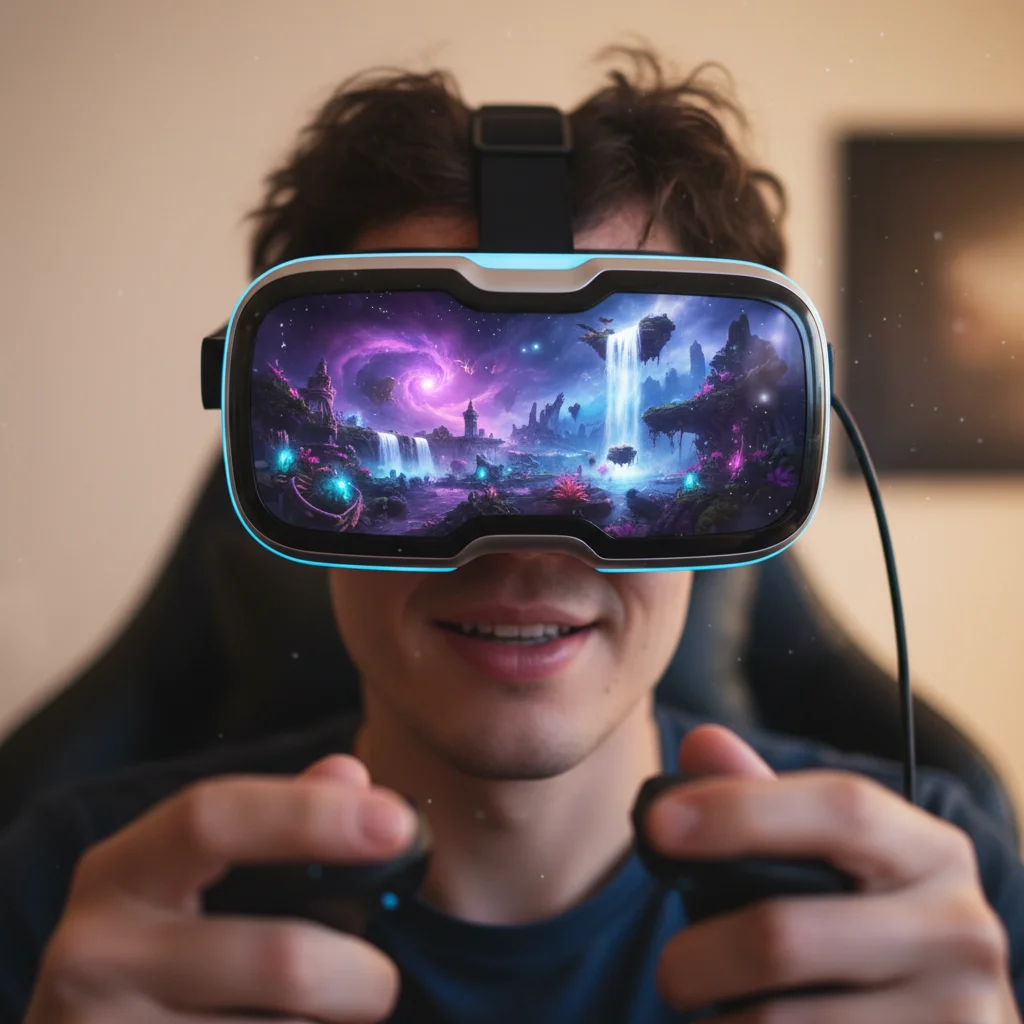
By 2026, VR headsets will be more comfortable, affordable, and powerful, offering stunning visual fidelity and haptic feedback that simulates touch and sensation. This increased realism will allow players to truly step into virtual worlds, experiencing narratives and environments with a level of presence previously unimaginable. Imagine exploring ancient ruins, soaring through fantastical landscapes, or engaging in intense battles where every movement and sound feels incredibly real. This heightened immersion fosters a deeper emotional connection to the game world and its characters, making every experience more impactful and memorable.
AR, while perhaps less about complete immersion into a separate world, offers a unique blend of digital and physical realities. AR games overlay digital elements onto the real world, transforming everyday environments into interactive playgrounds. This technology has the potential to make gaming more active, social, and integrated into daily life. Imagine treasure hunts in your local park, battling virtual monsters in your living room, or collaborating with friends on a shared digital project overlaid onto a real-world table. AR gaming encourages physical activity and real-world social interaction, adding a new dimension to enjoyment.
Beyond VR and AR, advancements in haptics, scent technology, and even brain-computer interfaces (BCIs) are on the horizon. While BCIs might still be further out for mainstream adoption, haptic suits that provide full-body feedback and devices that can simulate scents could dramatically enhance immersion. Imagine feeling the impact of a blow, the warmth of a virtual fire, or the scent of a digital forest. These sensory enhancements will push the boundaries of game design, creating experiences that engage all senses and deepen the player’s connection to the virtual world, making it feel more real and therefore more meaningful.
Narrative Depth and Emotional Resonance: Games as Art Forms
The US gaming evolution is increasingly recognizing games as powerful mediums for storytelling and artistic expression, moving them far beyond the grind of simple entertainment. By 2026, the demand for narrative depth and emotional resonance will drive game development, with players seeking experiences that challenge their perspectives, evoke strong emotions, and offer profound insights into the human condition.
Developers are responding by crafting intricate plots, developing complex characters with believable motivations, and exploring mature themes. Games are tackling subjects like mental health, social justice, historical events, and personal loss with sensitivity and nuance. This shift allows players to engage with stories on a deeper intellectual and emotional level, often leading to introspection and a greater understanding of themselves and the world around them.
Player choice and consequence are also becoming more sophisticated. No longer are decisions merely binary; modern games offer branching narratives, moral dilemmas, and choices that have far-reaching impacts on the game world and its inhabitants. This agency empowers players, making them feel like active participants in the story rather than passive observers. The weight of these decisions adds significant emotional depth and replayability, as players ponder different outcomes and their implications.
The integration of diverse perspectives and inclusive storytelling is another crucial aspect of this evolution. Games are increasingly featuring characters from varied backgrounds, cultures, and identities, allowing a broader audience to see themselves reflected in virtual worlds. This not only makes games more relatable but also fosters empathy and understanding among players, contributing to a more inclusive and global gaming community. When players can connect with characters and narratives that mirror their own experiences or expand their understanding of others, the enjoyment derived is far more profound than simple escapism.
Sound design and musical scores are also playing an increasingly vital role in crafting emotionally resonant experiences. Orchestral scores, atmospheric soundscapes, and carefully chosen voice acting can elevate a game’s narrative, enhancing mood, building tension, and amplifying emotional impact. When all these elements – story, characters, choice, visuals, and audio – converge, games transcend mere entertainment and become powerful art forms capable of eliciting deep emotional responses.
Learning and Skill Development Through Play: Gamified Growth
As US players move beyond the grind, they are increasingly recognizing the inherent educational value and skill-building potential within video games. By 2026, the intersection of gaming and personal development will be a prominent feature of the US gaming evolution, with a growing emphasis on gamified learning and the transferability of in-game skills to real-world applications.
Many games, by their very nature, require players to develop a range of cognitive skills. Strategy games demand meticulous planning, resource management, and foresight. Puzzle games enhance problem-solving abilities and logical reasoning. Role-playing games often involve complex decision-making, character development, and narrative comprehension. Even fast-paced action games can improve reaction times, hand-eye coordination, and spatial awareness. Players are consciously seeking out titles that offer these intellectual challenges, viewing them not just as entertainment but as opportunities for mental exercise and growth.
The concept of "gamification" – applying game design elements and game principles in non-game contexts – is also gaining traction. Educational institutions and corporate training programs are leveraging gamified approaches to make learning more engaging and effective. This includes everything from language learning apps that use reward systems to simulations that train professionals in complex procedures. As players become more accustomed to learning through play in their leisure time, they will expect similar engaging experiences in formal educational and professional settings.
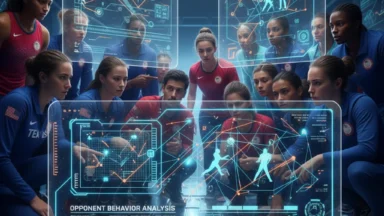
Esports, while competitive, also fosters a unique set of transferable skills. Professional players develop exceptional teamwork, communication, strategic analysis, and pressure management abilities. The discipline required to excel in esports mirrors that of traditional sports, instilling dedication and perseverance. Even casual participation in team-based online games can improve communication and collaborative problem-solving skills, which are highly valued in academic and professional environments.
Furthermore, games provide a safe space for experimentation and failure. In a virtual environment, players can try different strategies, make mistakes, and learn from them without real-world consequences. This iterative learning process is incredibly effective for skill acquisition and fosters a growth mindset. As the perception of gaming continues to evolve, its legitimacy as a tool for personal and intellectual development will only grow stronger, solidifying its place as a meaningful activity rather than just a time-filler.
The Role of AI and Procedural Generation in Future Gaming
Artificial Intelligence (AI) and procedural generation are poised to revolutionize the US gaming evolution, pushing experiences far beyond the grind of static content and predetermined narratives. By 2026, these technologies will enable dynamic, personalized, and endlessly replayable games that cater to individual player preferences, deepening engagement and enjoyment.
AI in games is becoming increasingly sophisticated, moving beyond simple enemy pathfinding. Advanced AI can create more believable non-player characters (NPCs) with unique personalities, adaptive behaviors, and even the ability to learn from player actions. Imagine NPCs who remember your past interactions, respond dynamically to your choices, and evolve their strategies based on your playstyle. This creates a much more immersive and reactive game world, making every playthrough feel unique and personal.
Procedural generation, the algorithmic creation of game content, will move beyond simply generating random landscapes. By 2026, AI-driven procedural generation will be capable of creating entire narratives, quests, characters, and even game mechanics on the fly, tailored to the player’s preferences and past actions. This means games could offer truly infinite content, ensuring that no two players have the exact same experience. Imagine a game that dynamically generates a story based on your moral choices, or creates unique challenges specifically designed to test your weaknesses.
This level of personalization will lead to deeper player investment. When a game feels like it’s specifically crafted for you, it fosters a stronger sense of ownership and connection. AI could also be used to dynamically adjust difficulty, provide personalized hints, or even suggest new content based on your play history, ensuring a constantly engaging and appropriately challenging experience. This move away from static, one-size-fits-all content will be a major driver of renewed interest and sustained engagement.
Furthermore, AI could enhance accessibility, allowing games to adapt to players with different abilities or preferences. Voice commands, intelligent UI adjustments, and even AI-driven companions that assist players could make gaming more inclusive than ever before. The combination of AI and procedural generation promises a future where games are not just played, but actively co-created with the player, offering unparalleled depth and personalized enjoyment.
The Intersection of Gaming and Wellness: Mindful Play
A burgeoning aspect of the US gaming evolution is the recognition of gaming’s potential contributions to mental and emotional well-being. Moving beyond the grind, players are increasingly seeking out games that offer relaxation, mindfulness, and even therapeutic benefits. By 2026, "mindful play" will be a recognized category, emphasizing the positive psychological impacts of gaming.
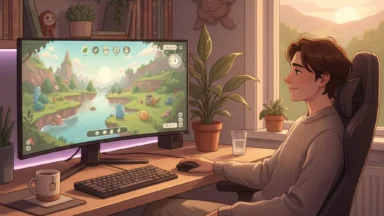
Certain game genres naturally lend themselves to relaxation and stress reduction. Puzzle games, simulation games (like city builders or farming simulators), and exploration-focused titles can provide a calming escape from daily pressures. The repetitive, yet engaging, nature of some gameplay loops can be almost meditative, allowing players to focus their minds and temporarily forget their worries. Developers are consciously designing games with these benefits in mind, incorporating soothing aesthetics, ambient soundscapes, and non-stressful objectives.
Games are also being developed specifically for therapeutic purposes. "Serious games" or "games for health" are designed to help individuals cope with anxiety, depression, PTSD, or even chronic pain. These games often use biofeedback, cognitive behavioral therapy (CBT) principles, or guided meditation techniques, presented in an engaging and accessible format. As the stigma around mental health continues to diminish, the adoption of these therapeutic games is expected to grow significantly.
Moreover, the social connections fostered through gaming can combat loneliness and provide vital support networks. For individuals who struggle with social interaction in the physical world, online communities offer a safe and welcoming space to connect with like-minded people. These connections can be incredibly beneficial for mental health, providing a sense of belonging and reducing feelings of isolation.
The concept of "digital detoxes" and balanced screen time will also become more sophisticated. Instead of outright abstinence, the focus will shift to mindful engagement, where players are encouraged to choose games that align with their well-being goals, whether that’s relaxation, social connection, or cognitive challenge. This holistic approach to gaming acknowledges its power not just as entertainment, but as a tool for personal enrichment and mental wellness.
Esports Evolution: Professionalism, Accessibility, and Inclusivity
Esports, while traditionally focused on intense competition, is also undergoing its own US gaming evolution, moving beyond the grind of purely competitive play to embrace professionalism, accessibility, and inclusivity. By 2026, the esports landscape will be more diverse, offering pathways for various skill levels and fostering a stronger sense of community among participants and viewers alike.
The professionalization of esports continues at a rapid pace. More robust league structures, better player welfare programs, and increased corporate sponsorship are elevating esports to the level of traditional sports. This means more stable careers for professional players, better training facilities, and increased mainstream media coverage. This professionalism not only legitimizes esports but also makes it a more attractive career path for talented individuals.
However, the evolution also includes a focus on accessibility. Beyond the elite professional scene, there’s a growing emphasis on amateur leagues, collegiate esports, and community tournaments. These initiatives provide opportunities for players of all skill levels to experience the thrill of competition, learn teamwork, and develop leadership skills without the intense pressure of the pro circuit. This broadens the appeal of esports and makes it a more inclusive activity, fostering a sense of achievement and belonging for a wider audience.
Inclusivity is another critical aspect. Efforts are being made to diversify the esports scene, encouraging participation from women, minorities, and individuals with disabilities. This includes dedicated leagues, mentorship programs, and initiatives to combat toxicity and promote positive sportsmanship. A more diverse esports community not only reflects the broader gaming population but also enriches the competitive landscape with varied playstyles and perspectives.
Furthermore, the spectator experience is becoming more sophisticated. Interactive viewing platforms, enhanced analytics, and engaging commentary are making esports more accessible and entertaining for casual viewers. The social aspect of watching esports, whether with friends in person or virtually, adds another layer of enjoyment, creating shared experiences and fostering fan communities. The future of esports is not just about who wins, but about the shared passion and collective experience of competition.
The Metaverse and Interoperability: A Seamless Digital Existence
Looking ahead to 2026, the concept of the metaverse and increased interoperability between games and digital platforms will be a significant driver of the US gaming evolution, offering players a seamless and deeply integrated digital existence that goes beyond the grind of isolated game worlds. This vision promises a future where digital identities, assets, and experiences can flow freely across different virtual spaces, enhancing meaning and enjoyment.
The metaverse, while still nascent, envisions a persistent, interconnected network of 3D virtual worlds where users can interact, socialize, work, and play. For gamers, this means an unprecedented level of continuity and freedom. Imagine your avatar, your acquired items, and your social connections moving effortlessly from one game to another, or from a game to a social hub, or even to a virtual concert. This eliminates the siloed nature of current gaming, where progress in one game rarely impacts another.
Interoperability, the ability for different systems to work together, is key to this vision. This includes shared digital identities, cross-platform play, and the ability to own and transfer digital assets (like NFTs, though their final form and utility are still evolving) across various platforms. This level of integration will allow players to build a persistent digital persona and legacy, investing time and effort into an identity that transcends any single game. This sense of continuity and ownership will undoubtedly deepen the meaning players derive from their digital lives.
Beyond gaming, the metaverse will blur the lines between entertainment, social media, commerce, and even work. Players might attend virtual concerts, shop for digital goods, collaborate on creative projects, or participate in educational experiences, all within interconnected virtual environments. Gaming will be a core component of this broader digital ecosystem, providing rich, interactive experiences that are deeply integrated into daily life.
The potential for creative expression in such an environment is immense. Players will have more tools and opportunities to customize their avatars, design their own spaces, and even create their own mini-experiences within the metaverse. This creative freedom, combined with seamless social interaction and persistent digital identity, will offer a level of enjoyment and personal fulfillment that is truly transformative, redefining the boundaries of what gaming can be.
Conclusion: A Future of Meaningful Play
The US gaming evolution by 2026 heralds a future where gaming is far more than a simple pastime; it is a profound avenue for connection, growth, and self-expression. Players are increasingly looking beyond the grind of traditional gameplay, seeking experiences that offer rich narratives, foster vibrant communities, and contribute to personal well-being. The convergence of advanced technologies like VR and AI, coupled with a growing recognition of games as powerful artistic and educational tools, is driving this transformative shift.
From the burgeoning world of community-centric multiplayer experiences to the deeply immersive narratives that rival blockbuster films, and from the skill-building potential inherent in strategic play to the therapeutic benefits of mindful gaming, the landscape is diversifying rapidly. Esports continues to professionalize while simultaneously becoming more accessible, and the promise of the metaverse hints at an interconnected digital existence where gaming is seamlessly integrated into our lives.
For developers, this means a continued focus on innovation, not just in graphics and processing power, but in storytelling, community tools, and adaptive AI. For players, it means an exciting future filled with endless possibilities, where every gaming session can offer a chance to learn, connect, create, and find genuine enjoyment that resonates on a deeper level. The grind is out; meaningful play is in, and the US gaming scene is leading the charge into this exhilarating new era.