The landscape of competitive gaming, or esports, is a relentlessly evolving battlefield. What holds true today in terms of meta, strategies, and even fundamental game mechanics can be obsolete tomorrow. For top US players, the challenge isn’t just about mastering a game; it’s about mastering the art of continuous adaptation. As we look towards 2026, the discussion intensifies around how these elite athletes are preparing to not only keep pace but also redefine dominance in an ever-shifting digital arena. This comprehensive analysis delves into the intricate methodologies, psychological fortitude, and strategic innovations that define the journey of US Esports Adaptation 2026.
The Dynamic Nature of Esports: A Constant State of Flux
Esports titles are living entities, constantly updated with new patches, balance changes, and sometimes, entirely new mechanics that fundamentally alter gameplay. Unlike traditional sports where rules remain largely static for decades, esports demand perpetual learning and unlearning. A player’s ability to quickly grasp and integrate new information, discard outdated strategies, and innovate on the fly is paramount to their longevity and success. The year 2026 serves as a significant marker, representing a future where current games will have undergone numerous iterations, and new titles will have emerged, each presenting its unique set of challenges.
Understanding the Mechanics of Change
To appreciate the depth of US Esports Adaptation 2026, one must first understand the sources of change:
- Patch Cycles and Balance Updates: Developers frequently release patches to fix bugs, introduce new content, and adjust gameplay balance. These can range from minor numerical tweaks to significant overhauls of character abilities, item functionality, or map layouts.
- New Game Releases and Genres: The esports ecosystem is continuously expanding with new titles vying for competitive attention. Players often need to diversify their skill sets or specialize in emerging genres, requiring them to adapt to entirely new control schemes, objectives, and strategic considerations.
- Community-Driven Innovation: Beyond official updates, the player community itself is a powerful engine of change. New strategies, meta compositions, and optimal playstyles are often discovered and refined by players, quickly becoming the baseline for competitive play.
- Technological Advancements: Improvements in hardware, network infrastructure, and even AI tools for analysis can influence how games are played and how players train.
The Proactive Approach: Anticipation and Early Adoption
Top US players don’t wait for changes to happen; they actively anticipate them. This proactive approach is a cornerstone of US Esports Adaptation 2026. It involves several key strategies:
Deep Dive into Patch Notes and Developer Communications
Professional players and their coaching staff meticulously analyze every patch note, developer blog, and public statement for hints about upcoming changes. Understanding the developers’ philosophy and intended direction for the game allows players to hypothesize about future metas and start theorycrafting potential strategies even before updates go live.
Early Access and Public Test Servers (PTS)
Many games offer public test servers or early access programs where players can experience upcoming changes before they are officially implemented. Elite US players leverage these opportunities to get a head start. This isn’t just about playing; it’s about rigorous experimentation, identifying broken mechanics, discovering optimal synergies, and developing counters.
Inter-Team Scrims and Knowledge Sharing
While competitive, top teams often engage in scrimmages (practice matches) and share insights within their professional networks. This collaborative learning environment accelerates the understanding of new mechanics and helps establish the new meta more rapidly than if each team worked in isolation. This collective intelligence is crucial for effective US Esports Adaptation 2026.
Mastering New Mechanics: A Multi-faceted Training Regimen
Once new mechanics are introduced, the real work begins. The training regimen of top US players is far more sophisticated than simply playing the game. It’s a structured approach designed for rapid skill acquisition and mastery.
Analytical Breakdown and Deconstruction
New mechanics are not just learned by rote; they are analytically broken down. Coaches and analysts meticulously dissect how a new ability, item, or map feature interacts with existing game elements. This involves:
- Statistical Analysis: Quantifying damage outputs, cooldowns, movement speeds, and other numerical values.
- Scenario Planning: Simulating various in-game situations to understand the optimal use and counter-play for new mechanics.
- Visual Aids and Replay Analysis: Using software to slow down, annotate, and review specific interactions, highlighting nuances that might be missed in real-time play.
Targeted Practice and Drills
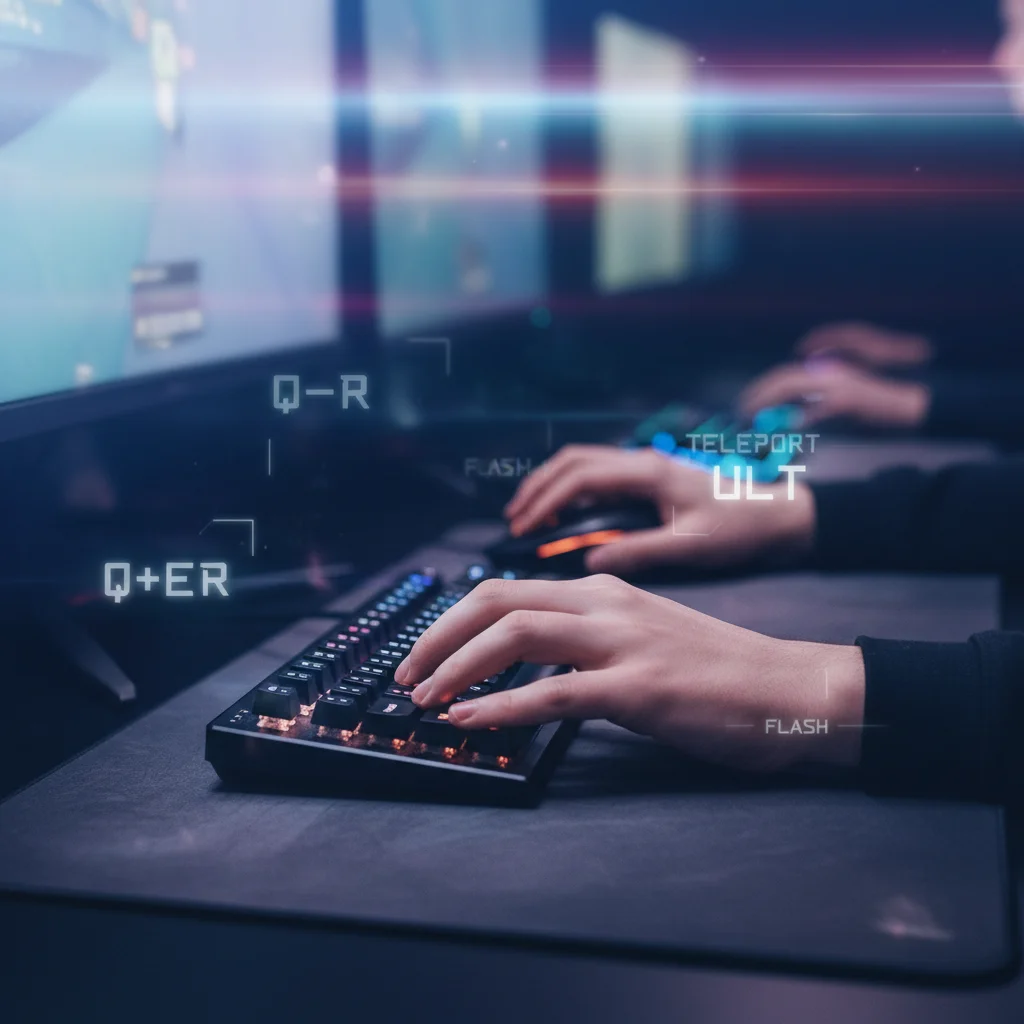
Generic gameplay isn’t enough. Top players engage in highly targeted practice sessions. If a new movement mechanic is introduced, they’ll spend hours in custom games perfecting its execution and integration into their existing movement repertoire. If a new character with complex abilities is added, they’ll dedicate time to understanding its hitboxes, timings, and optimal combos. This focused repetition builds muscle memory and intuitive understanding.
Cross-Training and Skill Transferability
Some players engage in cross-training, playing different games or even different roles within their primary game to broaden their skill set. This can enhance their adaptability by exposing them to diverse mechanics and strategic paradigms, making it easier to transfer learning to new situations. For instance, a player proficient in a fast-paced FPS might find it easier to adapt to new aiming mechanics in another title.
The Psychological Edge: Mindset and Resilience
Adaptation isn’t just about mechanics; it’s profoundly psychological. The mental fortitude of top US players plays a critical role in their ability to maintain dominance through change.
Embracing Discomfort and the Learning Curve
New mechanics often feel awkward or unintuitive at first. Players must be willing to step outside their comfort zone, make mistakes, and endure periods of underperformance as they learn. This embrace of the learning curve is a hallmark of truly adaptable athletes. They understand that initial struggles are a necessary part of growth.
Growth Mindset vs. Fixed Mindset
Elite players typically exhibit a growth mindset, believing that their abilities can be developed through dedication and hard work. This contrasts with a fixed mindset, where individuals believe their talents are inherent and unchangeable. A growth mindset is essential for US Esports Adaptation 2026, as it fosters persistence in the face of new challenges and encourages continuous improvement.
Stress Management and Mental Health
The pressure to adapt quickly can be immense, leading to stress and burnout. Top organizations and players prioritize mental health, employing sports psychologists and providing resources for stress management. A clear, focused mind is far more capable of processing new information and executing complex strategies under pressure.
Strategic Innovation: Redefining the Meta
True dominance isn’t just about adapting to the meta; it’s about defining it. Top US players and teams are often at the forefront of strategic innovation, shaping how games are played at the highest level.
Creative Problem Solving
When new mechanics are introduced, many players will adopt the most obvious or seemingly powerful strategies. Innovators, however, look beyond the surface, exploring unconventional uses, unexpected synergies, and counter-intuitive approaches that can catch opponents off guard. This creative problem-solving is a vital component of US Esports Adaptation 2026.
Data-Driven Strategy Development
Esports has become increasingly data-driven. Teams employ analysts who process vast amounts of game data, identifying trends, uncovering inefficiencies, and pinpointing opportunities for strategic advantage. This data informs everything from draft picks in MOBA games to optimal rotations in battle royales, allowing for scientifically backed strategic innovation.
Team Synergy and Role Flexibility
Adaptation extends beyond individual players to the entire team. Teams that can quickly re-evaluate their compositions, adjust roles, and develop new team-wide strategies based on evolving mechanics are at a significant advantage. This requires excellent communication, trust, and a willingness for players to take on new responsibilities or adjust their playstyles for the collective good.
Case Studies in Adaptation: Lessons from the Past, Glimpses of the Future
To illustrate the principles of US Esports Adaptation 2026, we can look at historical examples where US players and teams successfully navigated significant game changes.
StarCraft II: Constant Metagame Shifts
StarCraft II is renowned for its dynamic metagame, with balance patches frequently altering the viability of different unit compositions and strategies. US players like Alex ‘Neeb’ Sunderhaft have consistently remained at the top by demonstrating exceptional adaptability, mastering multiple races and rapidly adjusting to new build orders and strategic timings.
League of Legends: Item and Champion Reworks
League of Legends undergoes massive item reworks and champion updates regularly. Teams like Cloud9 and Team Liquid, with their rosters featuring prominent US talent, have showcased their ability to quickly understand new item paths, champion power spikes, and strategic implications, often being among the first to establish new dominant team compositions.
Valorant: Agent Releases and Map Changes
As a relatively newer title, Valorant has seen frequent agent releases and map adjustments. US players in teams like Sentinels have had to rapidly integrate new agent abilities into their tactical play, developing innovative utility usage and site holds to maintain their competitive edge. Their success is a testament to effective real-time adaptation.
The Role of Coaching and Support Staff
Behind every successful adaptable player is a dedicated support system. Coaching staff, analysts, and even sports psychologists play an indispensable role in facilitating US Esports Adaptation 2026.
Coaches as Facilitators of Learning
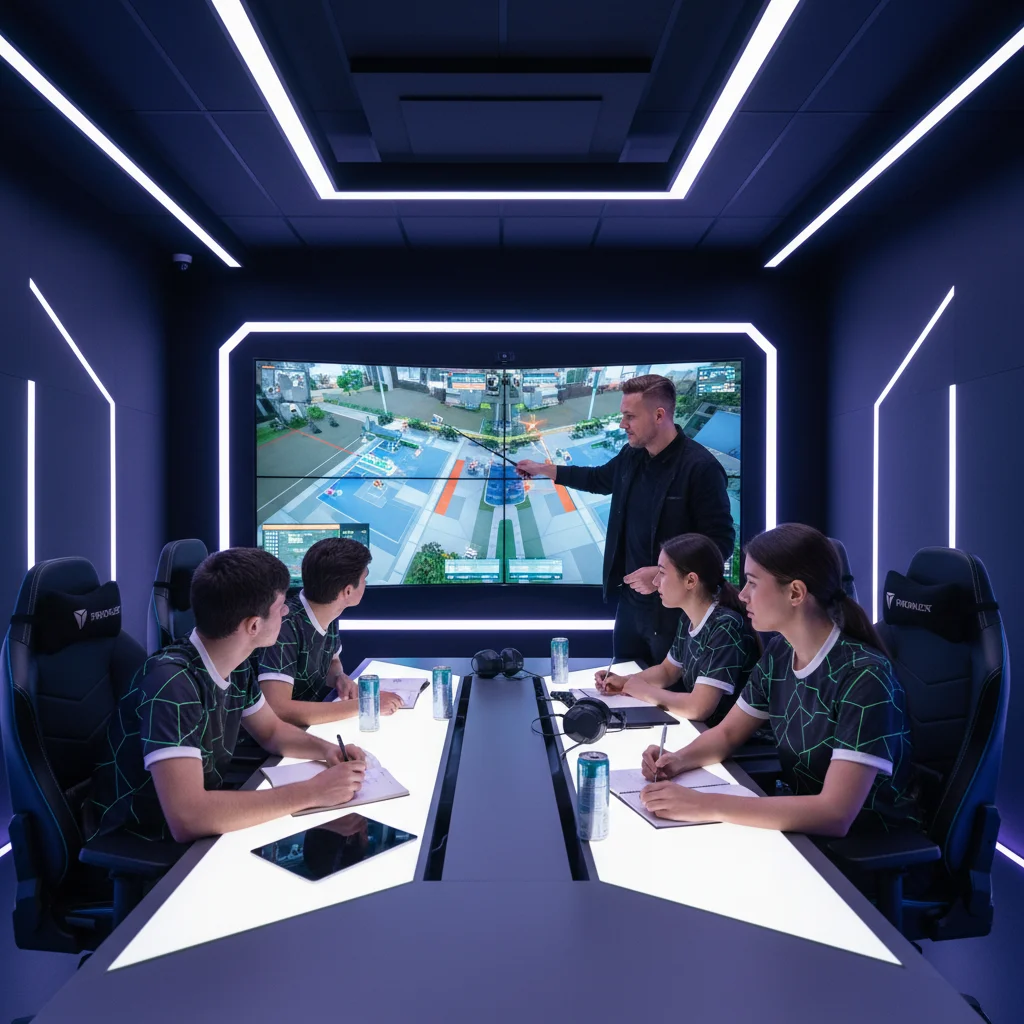
Coaches are no longer just strategists; they are educators. They help players understand complex new mechanics, design effective training routines, and provide constructive feedback. Their ability to translate developer intent into actionable strategies for their players is crucial.
Analysts as Data Interpreters and Trend Spotters
Analysts are the eyes and ears of the team, sifting through vast amounts of data to identify patterns, predict meta shifts, and pinpoint opponent weaknesses. Their insights enable players to make informed decisions and adapt more intelligently.
Sports Psychologists for Mental Resilience
The mental game is as important as the mechanical one. Sports psychologists help players manage pressure, overcome slumps, maintain focus, and develop a resilient mindset – all critical components for navigating the constant changes in esports.
Looking Ahead to 2026: Emerging Trends and Future Challenges
As we project towards 2026, several trends will continue to shape the narrative of US Esports Adaptation 2026:
Increased Game Complexity and Interactivity
New games are likely to feature even more intricate mechanics, dynamic environments, and multi-layered strategic depth. This will demand higher cognitive load and more sophisticated decision-making from players.
AI Integration in Training and Analysis
Artificial intelligence is already being used in esports for replay analysis and personalized coaching. By 2026, AI tools could become even more advanced, offering real-time feedback, predictive analytics, and hyper-personalized training modules, further accelerating the adaptation process.
The Rise of Cross-Game Talent
While specialization is common, the ability to excel across multiple competitive titles might become a more valued trait. Players who can quickly transfer their fundamental skills and adaptive mindset to new games will have a distinct advantage.
Emphasis on Physical and Mental Well-being
The demands of continuous adaptation will further highlight the importance of physical fitness, proper nutrition, and robust mental health practices. Organizations that prioritize player well-being will likely foster more resilient and adaptable athletes.
Global Competition and Diverse Playstyles
The global nature of esports means US players constantly face diverse playstyles and strategic philosophies from around the world. Adapting not just to game changes but also to the evolving global competitive landscape will remain a crucial challenge.
Conclusion: The Enduring Spirit of Adaptation
The journey of top US players in esports towards 2026 is one defined by relentless learning, strategic foresight, and unwavering psychological strength. It’s a testament to the human capacity for adaptation in the face of constant change. Their success hinges not on a static set of skills, but on a dynamic ability to evolve, innovate, and redefine what it means to be dominant in a digital sport that never stands still. The art of adaptation is not just a survival mechanism; it is the very essence of competitive excellence in the modern esports era. As the games continue to change, so too will the players, ensuring that the spectacle of US Esports Adaptation 2026 remains as thrilling and unpredictable as ever.