The gaming landscape is constantly evolving, with cutting-edge graphics, immersive virtual reality experiences, and expansive online multiplayer worlds dominating headlines. Yet, beneath this veneer of technological advancement, a powerful current is drawing gamers back to their roots. This phenomenon, often dubbed the retro gaming renaissance, is not merely a niche hobby but a significant trend that is reshaping how we perceive and engage with video games. Projections indicate that by 2026, a remarkable one in five US gamers will actively reconnect with classic titles, signaling a profound shift in consumer preference and a renewed appreciation for the foundational works of the industry.
What exactly is fueling this widespread return to pixelated adventures and simpler mechanics? Is it pure nostalgia, a yearning for a less complicated past, or something more profound? This comprehensive article delves deep into the multifaceted reasons behind the burgeoning retro gaming renaissance, exploring the psychological, sociological, and technological factors that are propelling classic games back into the spotlight. We will examine how accessibility, community, and the inherent charm of these timeless titles are captivating a new generation of players while simultaneously re-engaging seasoned veterans.

How would you like to receive it?
Select the option that suits you best.
The Allure of Nostalgia: A Trip Down Memory Lane
At the heart of the retro gaming renaissance lies the undeniable power of nostalgia. For many adult gamers, classic titles represent a tangible link to their childhoods. The familiar chiptunes, the iconic sprites, and the often-challenging gameplay evoke powerful memories of simpler times, of playing with friends after school, or discovering new worlds on a Saturday morning. This emotional connection is a potent driver, offering a comforting escape from the complexities of modern life.
However, nostalgia isn’t just about reliving the past; it’s also about sharing it. Parents who grew up with these games are now introducing their children to the classics, creating a generational bridge that fosters shared experiences and understanding. This intergenerational gaming further cements the appeal of retro titles, transforming them from mere relics into enduring cultural touchstones. The simplicity of gameplay, often requiring fewer complex controls or lengthy tutorials, makes these games ideal for introducing new players to the joys of gaming, without the immediate intimidation factor of many contemporary blockbusters.
The emotional resonance of retro games extends beyond personal memories. They represent a significant period in technological and creative innovation. Playing an Atari 2600 game today isn’t just about the game itself; it’s about appreciating the ingenuity of early developers who pushed the boundaries with limited resources. This historical perspective adds another layer to the nostalgic appeal, transforming gaming from a mere pastime into a journey through digital history.
Accessibility and Emulation: Breaking Down Barriers
The rise of the retro gaming renaissance wouldn’t be possible without significant advancements in accessibility. In the past, playing classic games often meant hunting down original consoles and cartridges, which could be expensive and involve dealing with aging hardware. Today, the landscape is dramatically different.
Emulation has played a pivotal role in democratizing access to retro titles. Emulators, software that mimics the hardware of older consoles, allow players to enjoy a vast library of games on modern PCs, smartphones, and even dedicated mini-consoles. While the legality and ethics of some emulation practices are debated, the sheer convenience it offers cannot be overstated. It allows millions to experience games they might have missed or can no longer access through traditional means.
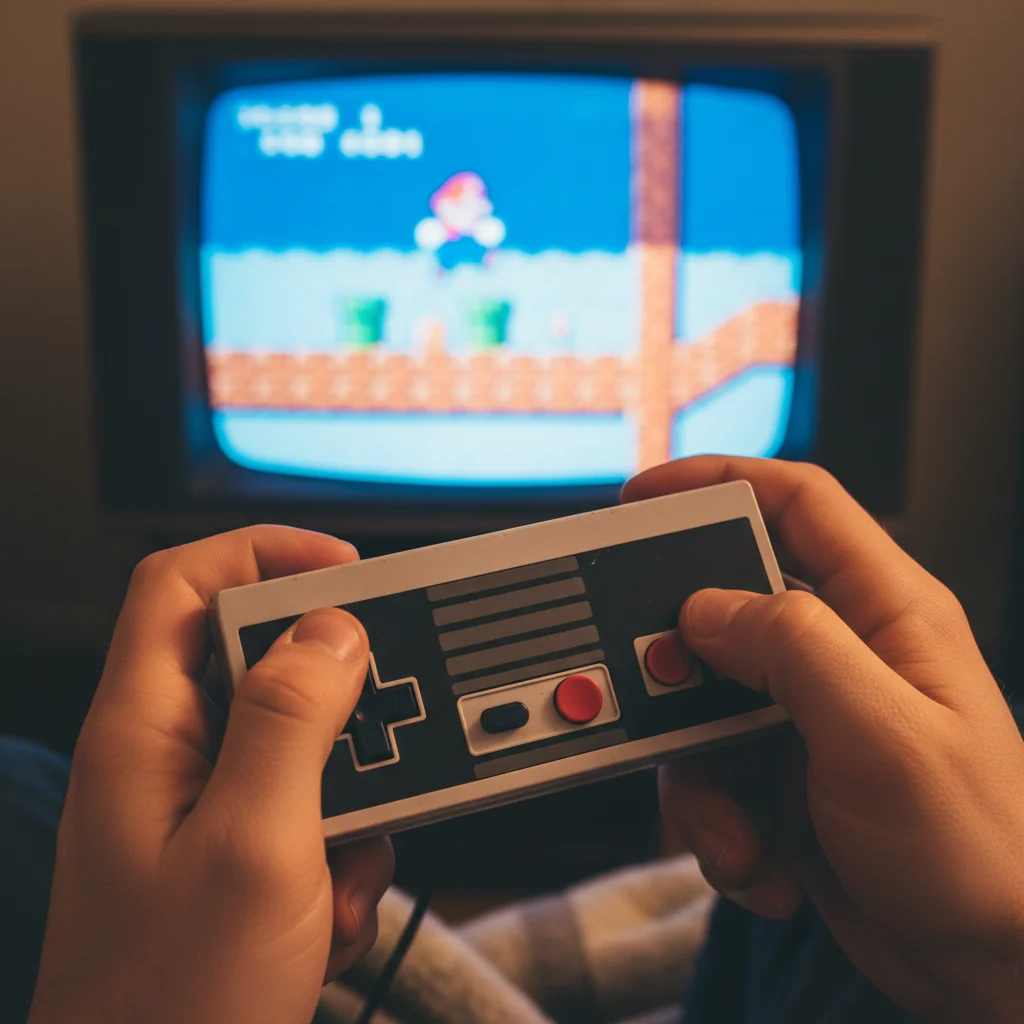
Beyond unofficial emulation, official channels have also embraced the retro trend. Companies like Nintendo, Sony, and Sega have released their own ‘mini’ versions of classic consoles, pre-loaded with iconic games. These devices offer a legally sanctioned, plug-and-play solution for retro enthusiasts, complete with authentic controllers and often HDMI output for modern televisions. Digital storefronts on current-generation consoles also frequently offer classic titles for purchase, making them readily available to a wide audience.
Furthermore, the advent of streaming services and subscription models, such as Nintendo Switch Online, which includes a growing library of NES, SNES, N64, and Sega Genesis games, makes dipping into the retro catalog easier than ever. This unprecedented accessibility means that the barrier to entry for exploring the world of classic gaming is lower than it has ever been, inviting both old and new players to participate in the retro gaming renaissance.
The Timeless Appeal of Gameplay Mechanics
While modern games often prioritize photorealistic graphics and intricate narratives, many retro games shine precisely because of their focus on core gameplay mechanics. These titles were often designed with strict technical limitations, forcing developers to be incredibly creative and efficient in their game design. The result? Games with incredibly tight controls, innovative level design, and a strong emphasis on skill and mastery.
Consider the enduring appeal of platformers like Super Mario Bros., action-RPGs like The Legend of Zelda: A Link to the Past, or fighting games like Street Fighter II. Their mechanics are simple to understand but incredibly deep to master. There’s a purity to their design that resonates with players seeking a challenge that relies on reflexes, pattern recognition, and strategic thinking rather than complex skill trees or endless tutorials. This focus on fundamental gameplay is a significant draw for the retro gaming renaissance.
Many modern gamers, accustomed to hand-holding tutorials and regenerating health, find a refreshing challenge in the often-unforgiving difficulty of retro games. The sense of accomplishment after finally conquering a particularly tough boss or navigating a complex level in a classic game is a unique and deeply satisfying experience. This emphasis on player skill and perseverance creates a strong bond between the player and the game, fostering a sense of achievement that transcends fleeting graphical trends.
Community and Content Creation: Fueling the Fire
The retro gaming renaissance is not just about individual players rediscovering old favorites; it’s also a vibrant and thriving community. Online forums, social media groups, and dedicated websites serve as hubs for enthusiasts to discuss games, share tips, trade collectibles, and celebrate their shared passion. This sense of belonging and camaraderie is a powerful magnet, especially in an increasingly digital world.
Content creators have also played a crucial role in amplifying the retro gaming trend. YouTubers and streamers dedicate countless hours to playing, reviewing, and analyzing classic games, introducing them to new audiences and providing insightful commentary for existing fans. Speedrunning communities, where players compete to complete games in the fastest possible time, showcase the incredible depth and mastery achievable within these titles, inspiring others to hone their skills.
The rise of fan-made content, including ROM hacks, translations of previously inaccessible Japanese games, and even entirely new homebrew titles for old consoles, further demonstrates the vitality of the retro gaming community. These creations keep the scene fresh and exciting, proving that classic games are not static artifacts but living, evolving cultural entities. This collaborative spirit and the constant influx of new content ensure that the retro gaming renaissance continues to grow and captivate.
The Simplicity Advantage: Less is Often More
In an era of open-world games that demand hundreds of hours to complete, with sprawling narratives and endless side quests, the relative simplicity of retro games can be incredibly appealing. Many classic titles offer focused, self-contained experiences that can be enjoyed in shorter bursts. This makes them perfect for busy adults who may not have the time to commit to a 100-hour epic but still crave a meaningful gaming experience.
The straightforward objectives and often linear progression of retro games provide a refreshing contrast to the overwhelming choices sometimes presented by modern blockbusters. There’s a clear goal, a defined path, and a feeling of progression that is immediately satisfying. This ‘less is more’ approach resonates with players seeking a more direct and less demanding form of entertainment, contributing significantly to the retro gaming renaissance.
Moreover, the absence of constant updates, microtransactions, and always-online requirements in many retro games is a welcome relief for some. These games are complete experiences, as they were originally released, free from the ongoing monetization strategies that can sometimes overshadow the enjoyment of modern titles. This purity of experience is a major draw for gamers who appreciate a straightforward purchase and play model.
Economic Factors: Affordable Fun
While some rare retro games can fetch high prices in the collector’s market, the overall cost of entry into the retro gaming renaissance can be surprisingly low. Emulators are free, and many classic titles are available for a few dollars on digital storefronts or through subscription services. Even dedicated mini-consoles are relatively inexpensive compared to a brand-new current-generation console and a handful of new games.
This affordability makes retro gaming an attractive option for budget-conscious gamers or those looking to expand their gaming horizons without breaking the bank. It allows players to explore a vast catalog of historically significant and critically acclaimed titles for a fraction of the cost of staying current with the latest releases. The value proposition of retro gaming is undeniable, making it an accessible hobby for a broad demographic.
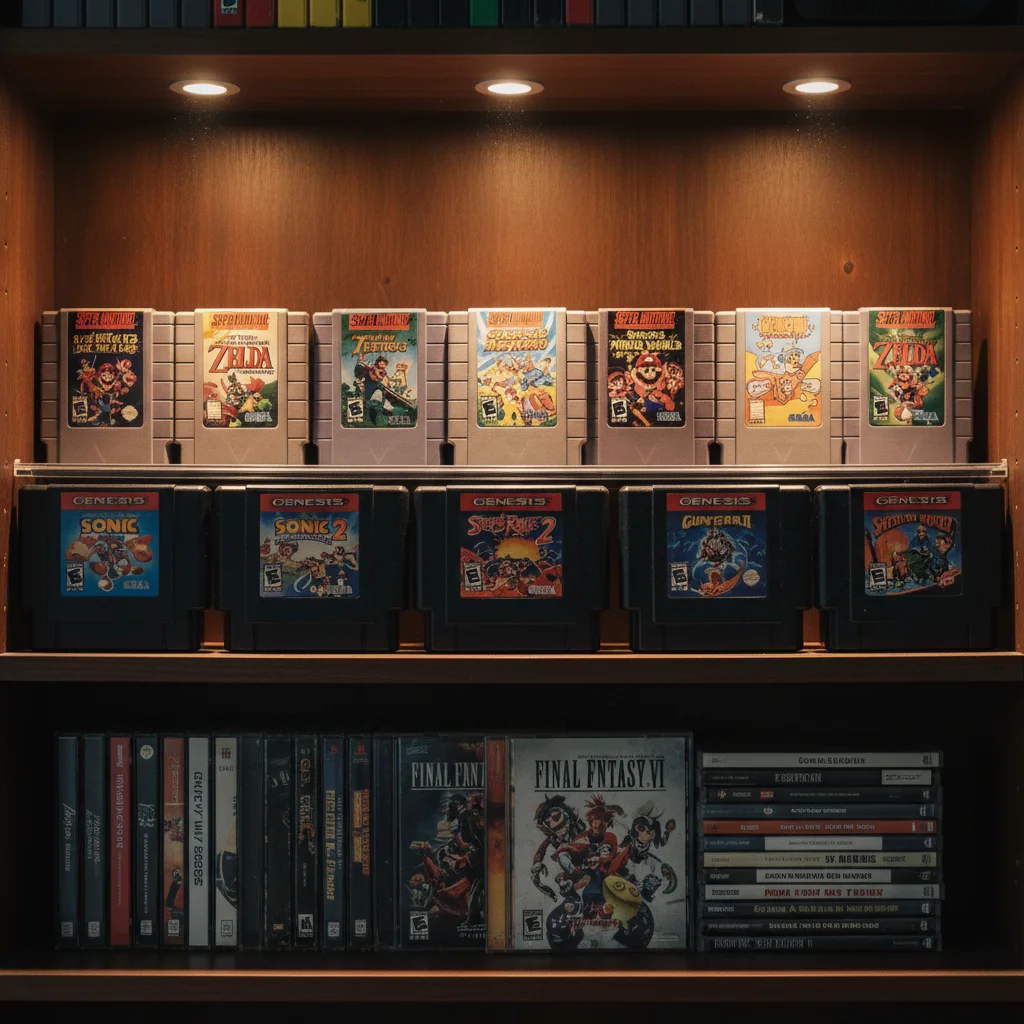
Furthermore, the physical collecting aspect of retro gaming, while potentially expensive for rare items, also offers a tangible investment for many. Unlike digital-only purchases, physical cartridges and discs retain their value and can even appreciate over time, adding another layer of appeal for some enthusiasts. This blend of economic accessibility and potential for tangible asset ownership contributes to the sustainable growth of the retro gaming renaissance.
The Enduring Legacy: Influence on Modern Gaming
It’s impossible to discuss the retro gaming renaissance without acknowledging the profound influence these classic titles have had on modern game design. Many of the fundamental concepts, genres, and mechanics we see in today’s games originated in the 8-bit and 16-bit eras. Playing retro games provides a valuable historical context, allowing players to understand the evolutionary path of the industry.
Developers frequently draw inspiration from classic titles, either by directly referencing them or by subtly incorporating their design philosophies. Indie game development, in particular, often embraces a pixel art aesthetic and gameplay loop reminiscent of retro eras, demonstrating that good design transcends graphical fidelity. The resurgence of interest in these foundational games solidifies their status not just as entertainment, but as essential pieces of gaming history that continue to shape the future.
Understanding the roots of gaming enriches the entire experience. When a player recognizes a gameplay mechanic in a modern title that clearly harks back to an NES or SNES classic, it creates a deeper appreciation for both the past and present of the medium. This educational aspect, often subconscious, is another subtle but significant factor driving the widespread engagement with the retro gaming renaissance.
Challenges and Considerations in the Retro Gaming World
While the retro gaming renaissance is thriving, it’s not without its challenges. Preservation remains a critical concern. Older hardware can fail, and physical media can degrade. The legal complexities surrounding emulation also present ongoing debates within the community and industry. Ensuring that these historical titles remain accessible for future generations requires ongoing effort from both official entities and passionate fans.
Another consideration is the ‘rose-tinted glasses’ effect. While many retro games are genuinely excellent, some may not hold up as well to modern sensibilities due to clunky controls, obscure mechanics, or frustrating difficulty spikes. New players entering the retro scene need to approach these games with an open mind, understanding the context in which they were created. The charm often lies in overcoming these quirks, but it can be a barrier for some.
Furthermore, the physical collecting market can be a double-edged sword. While it offers a tangible connection to the hobby, the escalating prices of rare games can make it difficult for casual collectors to acquire certain titles. Striking a balance between preserving physical history and ensuring widespread digital access is key to the continued health of the retro gaming renaissance.
The Future of the Retro Gaming Renaissance
The projection that one in five US gamers will reconnect with classic titles by 2026 is a testament to the enduring power of these games. This trend is unlikely to diminish; if anything, it’s poised to grow further. As technology continues to advance, so too will the methods of preserving and presenting retro games, making them even more accessible and enjoyable.
Expect to see continued innovation in the retro hardware space, with more sophisticated FPGA-based consoles offering pixel-perfect emulation and modern conveniences. Digital storefronts will likely expand their retro offerings, and perhaps even dedicated retro gaming subscription services will emerge, rivaling the vast libraries of modern streaming platforms. The community will continue to be a driving force, fostering creativity and ensuring that the spirit of classic gaming remains vibrant.
The retro gaming renaissance is more than just a fleeting trend; it’s a fundamental recognition of the artistic and historical value of video games. It’s a celebration of where gaming began, and a clear indicator that good design, innovative gameplay, and heartfelt experiences transcend the limitations of technology. Whether it’s the comfort of nostalgia, the challenge of mastery, or the joy of shared experiences, classic games offer something truly special that continues to captivate and inspire millions.
Conclusion: A Timeless Appeal
The undeniable surge in interest in classic video games, leading to a projected one in five US gamers engaging with retro titles by 2026, solidifies the enduring impact of the retro gaming renaissance. This phenomenon is a rich tapestry woven from threads of nostalgia, enhanced accessibility through emulation and re-releases, the timeless appeal of focused gameplay, the power of community, and the inherent simplicity that offers a refreshing alternative to modern gaming complexities. These factors, combined with the economic accessibility and the profound influence retro games have had on the entire industry, create a compelling case for their continued relevance.
As we look to the future, it’s clear that classic games are not merely relics of the past but vibrant, living experiences that continue to entertain, challenge, and connect generations of players. The pixelated worlds and chiptune melodies of yesteryear hold a magic that transcends technological advancements, proving that great game design is truly timeless. The retro gaming renaissance is a powerful reminder that sometimes, the best way forward is to look back, appreciating the foundations upon which the vast and imaginative world of video games has been built.