
The landscape of interactive entertainment is constantly evolving, with new hardware generations consistently pushing the boundaries of what’s possible in gaming. As we look towards the horizon of Q4 2026, the anticipation surrounding next-gen console sales in the United States is palpable. This period is historically a pivotal one for the consumer electronics market, especially for gaming consoles, driven by holiday shopping and the release of highly anticipated titles. Understanding the dynamics that will shape these sales requires a deep dive into technological advancements, market trends, economic indicators, and consumer behavior.
The console market operates in cycles, typically lasting between five to seven years, with mid-cycle refreshes sometimes occurring. By Q4 2026, we will likely be well into the lifecycle of the current generation, or perhaps even on the cusp of an entirely new wave of hardware, depending on the strategies of industry giants like Sony, Microsoft, and Nintendo. The success of next-gen console sales during this critical quarter will not only reflect the health of the gaming industry but also offer insights into broader consumer spending patterns and technological adoption rates.
Several key factors will influence the purchasing decisions of American consumers. These include the innovation offered by new hardware, the availability and quality of exclusive game titles, pricing strategies, supply chain efficiencies, and the overall economic climate. The ability of manufacturers to deliver compelling experiences that justify the investment will be paramount. As we dissect the potential future of gaming hardware, we will explore these elements in detail, providing a comprehensive forecast for Q4 2026.
The Current State of the Console Market and Precursors to Q4 2026
To accurately project Q4 2026 next-gen console sales, it’s essential to understand the foundation laid by the preceding years. The current generation of consoles has faced unique challenges, from global chip shortages impacting supply to unprecedented demand fueled by pandemic-era lockdowns. These factors have significantly shaped consumer expectations and manufacturer strategies.
The PlayStation 5 and Xbox Series X/S, launched in late 2020, have gradually overcome initial supply constraints. Their performance has set new benchmarks for graphical fidelity, processing power, and loading speeds. Nintendo, with its Switch console, continues to carve out a distinct niche, focusing on hybrid gameplay and unique first-party experiences. By 2026, these platforms will have matured, boasting extensive game libraries and potentially several hardware revisions.
One of the most significant precursors to Q4 2026 will be the ongoing evolution of gaming technology. Ray tracing, 8K resolution support, faster SSDs, and advanced haptic feedback are no longer niche features but increasingly standard expectations. Virtual Reality (VR) and Augmented Reality (AR) technologies might also play a more integrated role, potentially influencing console design or offering compelling peripheral experiences that drive hardware sales.
The competitive landscape will also be a major determinant. The traditional console war between Sony and Microsoft will likely continue, with each vying for market share through exclusive titles, subscription services (like Xbox Game Pass and PlayStation Plus), and innovative hardware features. Nintendo’s strategy will probably remain distinct, focusing on its unique hardware proposition and beloved franchises, potentially introducing a successor to the Switch or a significant upgrade that captures a new wave of consumers.
Furthermore, the rise of cloud gaming services could impact hardware sales. While not a direct replacement for dedicated consoles for many hardcore gamers, these services could appeal to a broader audience, potentially influencing the entry-level segment of the market. However, for Q4 2026, it’s anticipated that dedicated hardware will still dominate the premium gaming experience, especially for those seeking the highest fidelity and performance.
Technological Innovations Driving Next-Gen Console Sales
The allure of new technology is a primary driver for next-gen console sales. By Q4 2026, we can expect significant leaps in computational power, graphical capabilities, and user experience. Manufacturers are constantly researching and developing features that will entice consumers to upgrade or invest in a new system.
Advanced Processing Power and Graphics
Future consoles will undoubtedly feature more powerful CPUs and GPUs, enabling developers to create even more immersive and graphically stunning worlds. Expect further optimization of custom AMD or NVIDIA architectures, pushing resolutions beyond 4K into more consistent 8K experiences, or enabling incredibly high frame rates at 4K. Enhanced ray tracing capabilities will become standard, offering hyper-realistic lighting, shadows, and reflections that blur the line between virtual and reality.
Revolutionary Storage Solutions
The current generation introduced ultra-fast SSDs, virtually eliminating loading screens. By 2026, this technology will have matured, possibly leading to even faster storage solutions or innovative ways to utilize storage for dynamic content streaming and world generation. This means larger, more detailed open worlds with seamless transitions and almost instantaneous access to game content.
Immersive Audio and Haptic Feedback
Beyond visuals, audio and haptic feedback are crucial for immersion. Expect advancements in 3D audio technologies, allowing for incredibly precise soundscapes that enhance situational awareness and atmosphere. Haptic feedback, as seen with Sony’s DualSense controller, will likely become more sophisticated, offering nuanced tactile sensations that respond to in-game actions, from the subtle rumble of footsteps to the recoil of a weapon.
Integration of AI and Machine Learning
Artificial Intelligence (AI) and Machine Learning (ML) are increasingly being integrated into various aspects of technology. In gaming, this could translate to more intelligent NPCs, dynamic game worlds that adapt to player actions, and even AI-driven upscaling technologies (like DLSS or FSR) becoming standard features on console hardware, ensuring optimal performance and visual quality.
Potential for Hybrid and Cloud Integration
While dedicated hardware will remain strong, future consoles might feature more seamless integration with cloud gaming services, allowing players to switch between local and streamed experiences effortlessly. There could also be a greater emphasis on hybrid models, similar to the Nintendo Switch, but with significantly more power and versatility, catering to both on-the-go and home console gaming. The ability to stream high-fidelity games to secondary devices could also become a key selling point, expanding the reach and utility of the console.
Economic Factors and Consumer Spending in Q4 2026
The economic climate plays a critical role in consumer electronics sales, and Q4 2026 will be no exception for next-gen console sales. Factors such as disposable income, inflation rates, employment figures, and overall consumer confidence will heavily influence purchasing power.
Disposable Income and Inflation
If the economy is robust with high employment and rising wages, consumers will have more disposable income to spend on non-essential items like gaming consoles. Conversely, high inflation or economic uncertainty could lead to tighter budgets, making consumers more cautious about large purchases. Console manufacturers will need to be acutely aware of these economic indicators when setting pricing strategies.
Pricing Strategies and Value Proposition
The initial launch price of a console is always a significant factor. By Q4 2026, if new hardware is indeed on the horizon, its pricing will be crucial. Manufacturers will need to balance the cost of advanced technology with consumer expectations and perceived value. Bundling options, including games, accessories, or subscription services, can enhance the value proposition and make a console more attractive, especially during the competitive holiday season.
Supply Chain Resilience
The recent past has highlighted the vulnerabilities of global supply chains. By 2026, it’s hoped that these issues will be largely resolved, ensuring a steady supply of consoles to meet demand. Any significant disruptions could severely impact Q4 2026 next-gen console sales, leading to frustrated consumers and missed revenue targets. Manufacturers are likely investing heavily in diversifying supply chains and improving logistics to mitigate future risks.
Impact of Global Events
Unforeseen global events, such as pandemics, geopolitical conflicts, or natural disasters, can have a profound and unpredictable impact on economies and consumer spending. While impossible to predict, contingency planning for such scenarios will be vital for console manufacturers and retailers to maintain stability and meet demand.
Anticipated Market Trends and Consumer Behavior
Beyond technology and economics, understanding market trends and shifts in consumer behavior is crucial for forecasting next-gen console sales. The gaming audience is diverse and evolving, with different segments driven by various motivations.
Growth of the Gaming Audience
The gaming industry has seen consistent growth, expanding beyond traditional demographics. By 2026, gaming will likely be even more mainstream, appealing to a wider age range and diverse cultural backgrounds. This expansion creates a larger potential market for console sales, especially if new hardware can cater to varied tastes and preferences.
Subscription Services and Digital Distribution
The prevalence of subscription services (like Game Pass, PS Plus Premium) and digital game distribution will continue to shape how consumers access and play games. While physical media may still exist, digital storefronts and subscription models offer convenience and a vast library of games, potentially influencing console purchasing decisions. A strong digital ecosystem can be a significant draw for new console owners.
Social Gaming and Community Features
Gaming is increasingly a social activity. Enhanced online multiplayer experiences, integrated social features, and the ability to easily share content will be critical. Consoles that foster strong online communities and facilitate social interaction are likely to resonate more with consumers, driving engagement and sales.
Influence of Content Creators and Streaming
Live streaming platforms like Twitch and YouTube have become powerful marketing tools. Influencers and content creators showcasing new games and hardware can generate significant buzz and drive sales. Console manufacturers will likely continue to leverage these platforms, providing tools and features that make it easy for players to stream and share their gaming experiences.
Sustainability and Ethical Considerations
Increasingly, consumers are becoming more conscious of environmental and ethical considerations. Console manufacturers that prioritize sustainable practices in production, packaging, and energy efficiency may gain a competitive edge. Transparency in labor practices and supply chains could also influence purchasing decisions for a growing segment of the market.
The Role of Exclusive Titles and Game Libraries
While hardware innovation is crucial, it’s the games that truly sell consoles. The strength of a console’s exclusive title lineup and its overall game library will be a primary determinant of Q4 2026 next-gen console sales.
The Power of Exclusives
Platform-exclusive titles are often the ‘system sellers’ that compel consumers to choose one console over another. By Q4 2026, Sony, Microsoft, and potentially Nintendo will have cultivated robust portfolios of first-party exclusives, along with timed exclusives from third-party developers. Games that push graphical boundaries, offer innovative gameplay, or come from beloved franchises will be instrumental in driving demand.
Backward Compatibility and Game Libraries
Backward compatibility has become a highly valued feature, allowing players to bring their existing game libraries to new hardware. Consoles that offer extensive backward compatibility provide greater value and ease the transition for consumers, making the upgrade decision simpler. A deep and diverse game library, spanning multiple generations, enhances the overall appeal of a console.
Pacing of Game Releases
The timing and frequency of major game releases are also critical. A steady stream of high-quality titles, especially leading up to and during the holiday season, can significantly boost console sales. Manufacturers often coordinate hardware launches or major revisions with the release of tentpole games to maximize impact.
Independent Game Support
Beyond AAA blockbusters, the vibrant independent game scene plays a vital role. Consoles that actively support and promote indie developers, offering unique and innovative experiences, can attract a broader audience and enrich their game libraries. Exclusive indie titles or early access programs can also be a significant draw.
Cross-Platform Play and Ecosystems
While exclusives drive individual console sales, the trend towards cross-platform play and unified gaming ecosystems is also important. Features that allow players to seamlessly connect with friends across different platforms, or to play their games on various devices within the same ecosystem (e.g., PC and Xbox), contribute to the overall attractiveness and stickiness of a console brand.
Forecasting Q4 2026 Next-Gen Console Sales in the US
Bringing all these factors together, a forecast for Q4 2026 next-gen console sales in the US suggests a highly competitive and potentially record-breaking period for the gaming industry. Assuming a relatively stable economic environment and continued technological innovation, the market is poised for strong performance.
Scenario 1: Mid-Cycle Refreshes Dominate
If major new console generations are not launched by Q4 2026, we would likely see significant mid-cycle refreshes (e.g., ‘Pro’ versions of current consoles). These would offer enhanced performance, improved graphics, and potentially new features like advanced AI upscaling or deeper VR integration. Sales would be driven by existing console owners looking to upgrade for a superior experience, and new entrants attracted by a more mature game library and potentially refined hardware. Expect strong sales, possibly exceeding previous mid-cycle refreshes due to accumulated technological advancements and a larger installed base.
Scenario 2: A New Generation Arrives
Alternatively, if Sony or Microsoft (or both) decide to launch an entirely new generation of consoles by late 2026, this would undoubtedly lead to an explosive sales quarter. The excitement surrounding truly ‘next-next-gen’ hardware, coupled with launch titles designed to showcase its full capabilities, would generate immense demand. Supply chain management would be paramount to avoid the shortages seen with previous launches. Nintendo, if it launches a successor to the Switch, could also see unprecedented sales, especially if it maintains its unique hybrid appeal while significantly boosting performance.
Conservative vs. Optimistic Projections
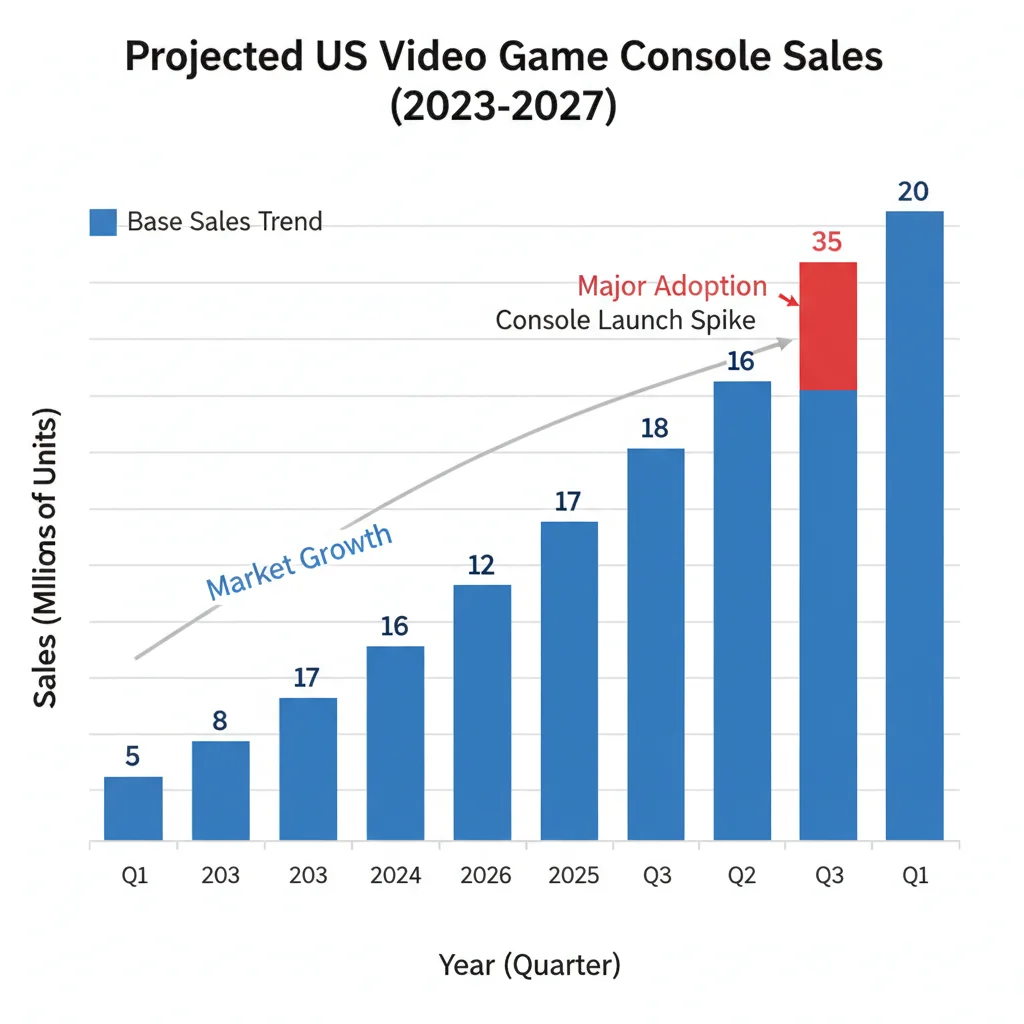
A conservative estimate might project Q4 2026 next-gen console sales in the US to reach approximately 7-9 million units, driven by strong holiday demand and compelling software. An optimistic projection, especially if a new console generation is launched, could see sales soar to 10-12 million units or even higher, setting new records for the industry. This would be fueled by a confluence of factors: pent-up demand, groundbreaking technology, and an aggressive marketing push.
The Role of Bundles and Promotions
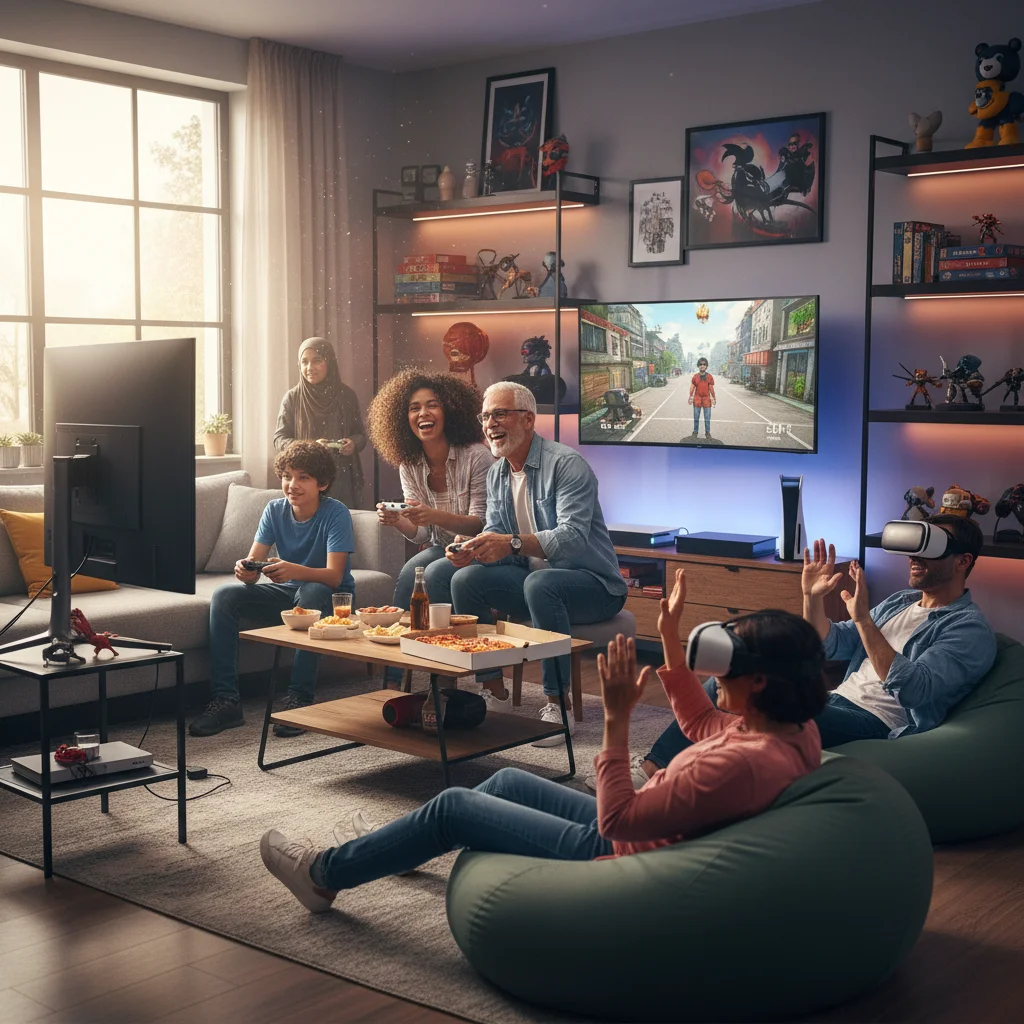
Holiday bundles featuring popular games, additional controllers, or subscription service trials will be key in enticing consumers. Retailers will also play a crucial role with their promotional strategies, offering discounts and financing options to make consoles more accessible. The competition among retailers for consumer dollars will be fierce, potentially leading to attractive deals for buyers.
Challenges and Opportunities for Manufacturers
The road to Q4 2026 for next-gen console sales is not without its challenges, but it also presents significant opportunities for manufacturers.
Challenges:
- Market Saturation: As the installed base of current-gen consoles grows, convincing existing owners to upgrade will require compelling new features and experiences.
- Economic Headwinds: Unforeseen economic downturns could dampen consumer spending, impacting sales forecasts.
- Competition from Other Entertainment: Gaming competes for consumer time and money with streaming services, mobile gaming, and other forms of entertainment.
- Technological Obsolescence: The rapid pace of technological advancement means consoles must offer significant upgrades to feel ‘next-gen’ and justify their price point.
- Sustainability Demands: Growing consumer and regulatory pressure for more environmentally friendly products.
Opportunities:
- Expanding Global Market: The continued growth of gaming globally presents opportunities for manufacturers to expand their reach beyond traditional markets.
- Integration with AI/VR/AR: Leveraging emerging technologies can create truly novel gaming experiences that drive hardware adoption.
- Subscription Service Growth: Strong subscription offerings can create recurring revenue and enhance the value proposition of a console.
- Cross-Platform Ecosystems: Building seamless ecosystems across different devices (PC, mobile, console) can enhance brand loyalty and user engagement.
- E-sports and Live Content: The booming e-sports scene and demand for live gaming content provide avenues for increased engagement and console relevance.
Conclusion: A Promising Horizon for Next-Gen Console Sales
The period leading up to and including Q4 2026 is set to be a fascinating chapter in the history of gaming hardware. The convergence of advanced technology, evolving consumer preferences, and strategic market positioning will define the trajectory of next-gen console sales in the US. Whether it’s through powerful mid-cycle refreshes or the launch of entirely new platforms, the industry is geared towards delivering more immersive, graphically stunning, and socially connected gaming experiences.
Manufacturers will need to meticulously balance innovation with affordability, ensuring robust supply chains, and curating an irresistible library of games. The economic landscape will undoubtedly play a significant role, but the inherent demand for cutting-edge entertainment and the ever-growing appeal of video games suggest a strong and vibrant market. As holiday lights begin to twinkle in Q4 2026, we anticipate a surge in consumer enthusiasm, culminating in impressive sales figures that will underscore the enduring power and innovation of the gaming console industry.
The future of gaming hardware is bright, and the competitive spirit among industry leaders will continue to drive innovation, benefiting gamers with unparalleled experiences. Keep an eye on this space as 2026 approaches; the next chapter of console gaming promises to be nothing short of revolutionary.