The landscape of work has undergone a seismic shift in recent years, and few industries have felt its tremors as profoundly as the creative and tech-intensive sector of game development. As we hurtle towards 2026, the concept of a Hybrid Game Dev workforce is no longer a futuristic speculation but a present reality shaping the very fabric of US game development studios. This comprehensive analysis will delve into the multifaceted impact of this hybrid model, exploring its implications for creativity, collaboration, talent acquisition, technological infrastructure, and company culture within the dynamic world of video games.
The move to hybrid work, a blend of in-office and remote work, was initially a reactive measure to global events. However, it has rapidly evolved into a strategic choice for many organizations, including those at the forefront of interactive entertainment. For game development, an industry historically reliant on centralized, in-person collaboration, this transition presents both unprecedented opportunities and unique challenges. By 2026, understanding and effectively navigating this hybrid paradigm will be paramount for any studio aiming to remain competitive, innovative, and attractive to top talent.
The Evolution of Work: From Office to Hybrid Game Dev
Before the recent global shifts, the traditional game development studio was almost exclusively an in-office environment. The rationale was clear: close proximity fostered spontaneous collaboration, rapid iteration, and a strong sense of team camaraderie. ‘Crunch culture,’ while often criticized, was deeply intertwined with this model, implying long hours spent together in a shared physical space. However, the forced experiment of widespread remote work during the pandemic revealed surprising efficiencies and new ways of working.
Many studios discovered that certain tasks, particularly those requiring deep focus like coding, art asset creation, or sound design, could be performed effectively, if not more effectively, from a remote setting. The initial skepticism surrounding remote collaboration tools quickly gave way to widespread adoption and innovation. This period served as a crucial proving ground for the Hybrid Game Dev model, demonstrating its viability and highlighting areas for improvement.
By 2026, the hybrid model is not just about where people work, but how they work. It’s about designing workflows, communication protocols, and physical spaces that seamlessly integrate both in-office and remote team members. This requires a fundamental rethinking of everything from meeting structures to project management methodologies. Studios that embrace this shift strategically are positioning themselves for long-term success, while those clinging to outdated models risk falling behind.
Impact on Creativity and Innovation in Hybrid Game Dev Environments
Creativity is the lifeblood of game development. The fear among many studio heads was that a distributed workforce would stifle the spontaneous brainstorming sessions and ‘water cooler’ moments that often spark groundbreaking ideas. While this concern is valid, the Hybrid Game Dev model also opens new avenues for creative expression and problem-solving.
Remote work can provide individuals with dedicated, distraction-free environments conducive to deep creative work. Artists, designers, and writers might find that the ability to control their workspace and schedule allows for more focused output. When it comes to collaboration, the challenge lies in replicating the spontaneity of in-person interactions. This has led to the adoption of sophisticated virtual whiteboards, persistent online collaboration spaces, and structured ‘creative sprints’ designed to maximize engagement during scheduled synchronous sessions.
Furthermore, a hybrid model can foster a more diverse range of creative inputs. By drawing talent from a wider geographical pool, studios can bring together individuals with different cultural backgrounds, experiences, and perspectives, leading to richer, more innovative game concepts. The key is to intentionally design processes that encourage both individual creative flow and dynamic group ideation, leveraging the strengths of both remote and in-office work.
Collaboration Challenges and Solutions for a Hybrid Game Dev Workforce
Effective collaboration is the cornerstone of successful game development. Games are complex, multi-disciplinary projects that require constant communication and coordination among artists, programmers, designers, producers, and QA testers. In a Hybrid Game Dev setting, maintaining seamless collaboration is one of the most significant challenges.
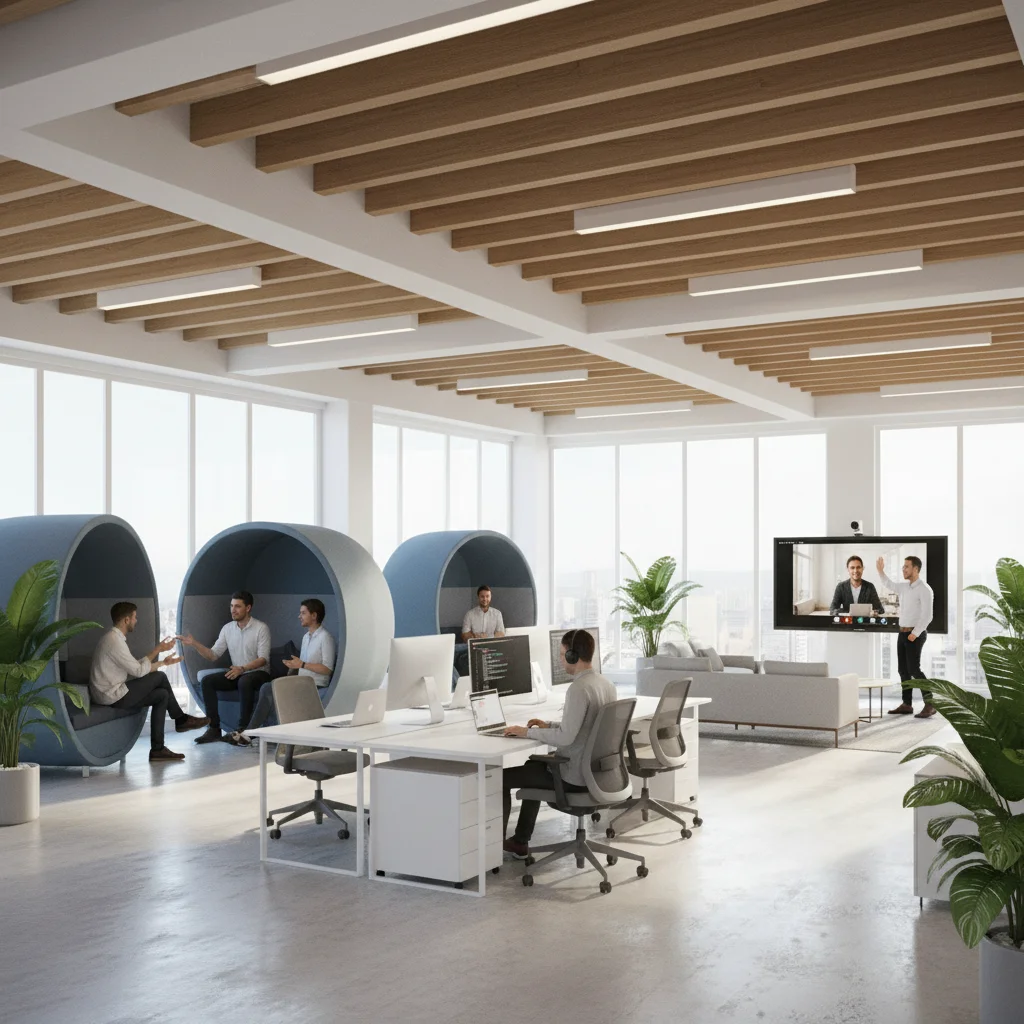
One major hurdle is ensuring equitable participation. In mixed meetings, remote participants can often feel like second-class citizens, struggling to interject or read the room’s non-verbal cues. Studios are addressing this by implementing ‘remote-first’ meeting policies, where even in-office attendees join from their individual desks via video conferencing to level the playing field. High-quality audio-visual equipment in meeting rooms is no longer a luxury but a necessity.
Asynchronous communication also plays a more critical role. Tools like Slack, Discord, and project management platforms (Jira, Asana, Trello) become central hubs for information sharing, decision-making, and tracking progress. The challenge is to prevent information overload and ensure that critical communications don’t get lost in the noise. Clear guidelines on when to use which communication channel, along with dedicated ‘digital office hours’ for specific teams, can help mitigate these issues.
Another aspect is fostering a sense of camaraderie and team cohesion. Regular virtual social events, online game nights, and even ‘virtual coffee breaks’ help maintain personal connections that might otherwise be lost. When team members do come into the office, these times are often prioritized for team-building activities, workshops, and intensive brainstorming sessions that benefit most from in-person interaction.
Talent Acquisition and Retention in the Hybrid Game Dev Era
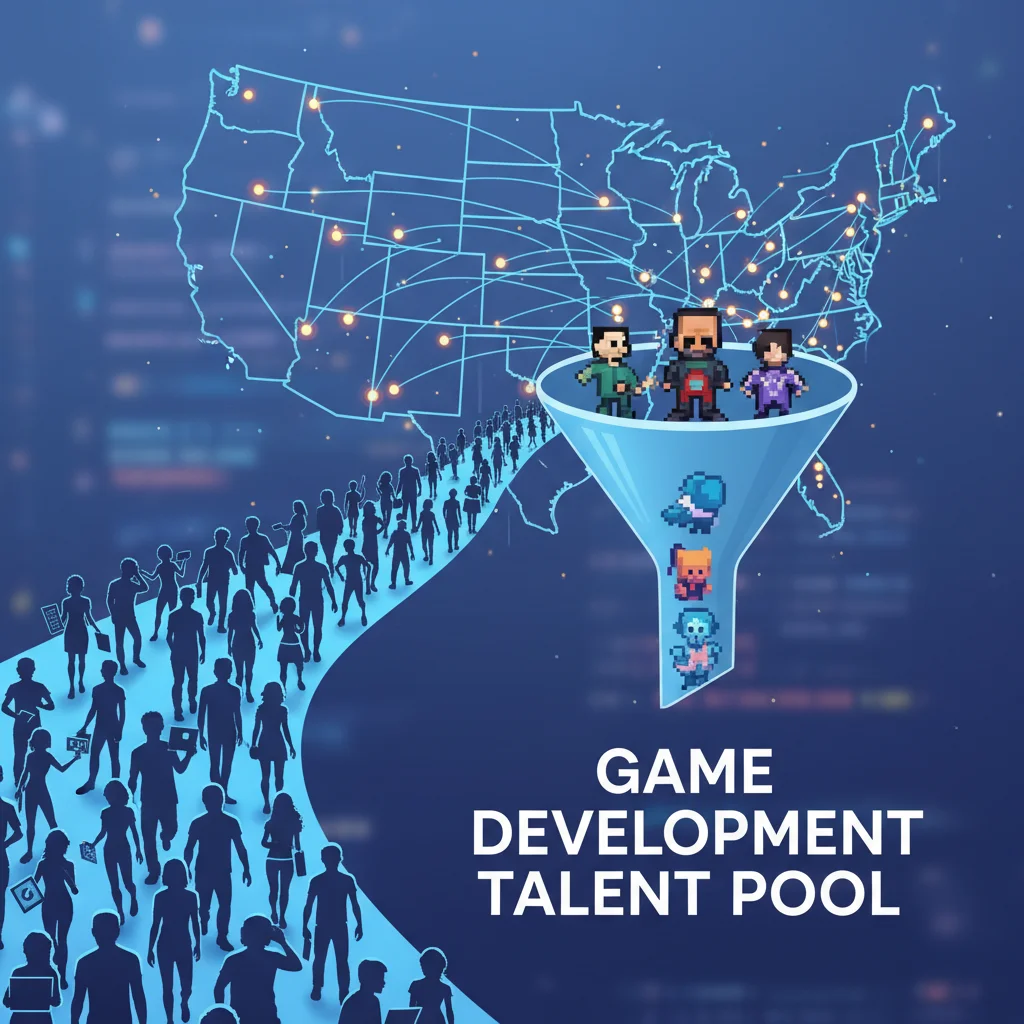
Perhaps one of the most significant advantages of the Hybrid Game Dev model is its profound impact on talent acquisition. Historically, game development talent was concentrated in specific geographic hubs, limiting studios’ access to a broader pool of skilled professionals. Hybrid work shatters these geographical barriers, allowing studios to recruit from anywhere in the country, or even globally, for certain roles.
This expanded talent pool is particularly beneficial for specialized roles where expertise is scarce. Studios can now hire the best character artist from Florida, the most innovative gameplay programmer from Texas, or a seasoned narrative designer from Oregon, without requiring them to relocate. This not only increases the quality of hires but also fosters greater diversity within teams, bringing in varied perspectives and experiences.
However, this also intensifies competition for talent. Studios are no longer just competing with local rivals but with every studio offering attractive hybrid or remote options. To stand out, studios must offer competitive compensation, robust benefits, and a compelling culture that supports flexible work. Retention also becomes crucial. Employees who have experienced the benefits of flexibility are often reluctant to return to a fully in-office model. Studios that fail to adapt risk losing valuable team members to more progressive competitors.
By 2026, a strong Hybrid Game Dev strategy will be a key differentiator in the war for talent. This includes clearly defined hybrid policies, investment in remote-friendly tools and infrastructure, and a culture of trust and autonomy that empowers employees wherever they choose to work.
Technological Infrastructure and Security for Hybrid Game Dev Operations
The success of any Hybrid Game Dev model hinges on a robust and secure technological infrastructure. Game development involves handling large files, complex software, and sensitive intellectual property. Distributing this work across various locations introduces new technical and security challenges.
Cloud-based solutions are becoming indispensable. Version control systems (like Perforce, Git) that are optimized for distributed teams, cloud-rendered assets, and virtual desktop infrastructure (VDI) allow developers to access powerful workstations and specialized software from anywhere. Investing in high-bandwidth internet access, both for office and remote setups, is also critical to minimize latency and ensure smooth workflow.
Security is another paramount concern. Protecting game code, art assets, and player data when employees are working from potentially less secure home networks requires advanced cybersecurity measures. This includes robust VPNs, multi-factor authentication, endpoint detection and response (EDR) solutions, and regular security audits. Employee training on cybersecurity best practices is also essential to prevent human error from compromising sensitive data.
By 2026, studios will be heavily leveraging AI-powered tools for project management, automated testing, and even assisting with creative processes, all of which must be seamlessly integrated into the hybrid workflow. The IT department’s role has expanded from mere support to strategic enablement, ensuring that technology facilitates, rather than hinders, the hybrid work experience.
Shaping Company Culture and Leadership in a Hybrid Game Dev Future
Company culture is notoriously difficult to maintain and evolve in a distributed environment. The informal interactions that build camaraderie and transmit cultural norms are less frequent. For a Hybrid Game Dev studio, intentional effort is required to cultivate a strong and cohesive culture.
Leadership plays a critical role. Managers must adapt their styles from oversight to empowerment, focusing on outcomes rather than hours spent in a chair. Trust, transparency, and empathy become even more important. Regular check-ins, clear expectations, and opportunities for professional development are key to keeping hybrid teams engaged and motivated.
Establishing shared rituals and traditions, both virtual and in-person, can help reinforce cultural values. This might include regular ‘all-hands’ virtual meetings, annual in-person retreats, or even small gestures like sending care packages to remote employees. Creating dedicated channels for non-work-related discussions can also foster a sense of community.
Furthermore, diversity, equity, and inclusion (DEI) initiatives are amplified in a hybrid setting. The ability to hire from a wider pool naturally increases diversity, but studios must also ensure inclusive practices are embedded in their hybrid workflows. This means actively listening to the needs of all employees, regardless of their work location, and providing equitable opportunities for growth and recognition.
Measuring Success and Adapting in the Hybrid Game Dev Landscape
How do Hybrid Game Dev studios measure success in this evolving landscape? Traditional metrics like hours spent in the office are no longer relevant. Instead, the focus shifts to productivity, project milestones, employee engagement, and creative output. Data analytics play a crucial role in understanding what works and what doesn’t.
Studios are increasingly using tools to track project progress, identify bottlenecks, and measure team performance. However, it’s vital to use these tools ethically and to avoid micromanagement. The goal is to gain insights that inform continuous improvement, not to surveil employees. Employee surveys, feedback sessions, and pulse checks are also essential for gauging satisfaction and identifying areas where the hybrid model might be causing friction.
The Hybrid Game Dev model is not a static solution; it’s an ongoing experiment that requires continuous adaptation. Studios must be willing to iterate on their policies, tools, and cultural practices based on feedback and results. What works for one team or one project might not work for another. Flexibility and a willingness to learn are hallmarks of successful hybrid organizations.
The Future Outlook for US Game Development Studios in 2026
By 2026, the Hybrid Game Dev model will likely be the dominant operational paradigm for the majority of US game development studios. The studios that thrive will be those that have embraced this shift not as a compromise, but as a strategic advantage. They will have successfully integrated flexible work into their core identity, leveraging it to attract and retain top talent, foster innovation, and create compelling games.
We can expect to see further innovations in collaboration technology, making virtual interactions even more immersive and seamless. The concept of the ‘digital twin’ of a studio, a fully integrated virtual workspace that mirrors the physical one, could become more commonplace. Furthermore, the focus on employee well-being, mental health support, and work-life balance will intensify, driven by the demands of a workforce that values flexibility and autonomy.
The traditional geographical hubs of game development might see a decentralization, with talent pools becoming more distributed across the country. This could lead to the emergence of new regional game development ecosystems as skilled individuals choose to live where they prefer, knowing their career opportunities are not limited by location.
Ultimately, the successful Hybrid Game Dev studio of 2026 will be characterized by its adaptability, its commitment to its people, and its strategic use of technology to bridge distances and foster creativity. It will be a studio that recognizes that the future of work is not about being fully remote or fully in-office, but about intelligently combining the best of both worlds to build a more resilient, innovative, and inclusive industry.
Conclusion: Embracing the Hybrid Game Dev Revolution
The journey towards a fully integrated Hybrid Game Dev model is complex, fraught with challenges, yet brimming with potential. For US game development studios, 2026 represents a critical juncture where the decisions made today about work structures, technology, and culture will define their trajectory for years to come. The era of the traditional, solely in-office game studio is rapidly receding, replaced by a dynamic, flexible, and geographically distributed workforce.
Studios that proactively invest in robust hybrid strategies, prioritize talent well-being, and foster a culture of trust and collaboration will not only survive but thrive in this new landscape. They will be better equipped to attract a diverse pool of talent, accelerate innovation, and ultimately deliver the next generation of groundbreaking interactive experiences. The future of game development is hybrid, and those who master its intricacies will lead the industry forward.
The challenges of communication, maintaining culture, and ensuring security are real, but with thoughtful planning and continuous iteration, these can be transformed into opportunities. The expanded talent pool means more diverse ideas and higher quality output. The flexibility offered can lead to greater employee satisfaction and reduced burnout, a persistent issue in the industry. As we move closer to 2026, the strategic adoption of a Hybrid Game Dev model is not just a trend; it is an essential evolution for the US game development sector.