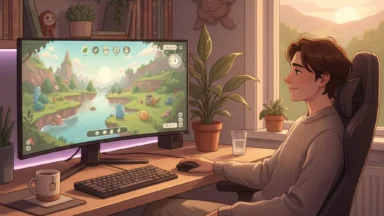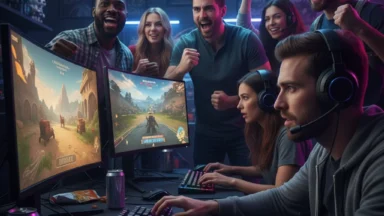
In the rapidly evolving landscape of 2026, where gaming transcends mere hobby to become a significant cultural and professional force, the line between immersive play and personal well-being can often blur. For US gamers, the pursuit of peak performance and endless entertainment demands more than just mechanical skill or strategic prowess; it requires a holistic approach to life. This article delves into Gamer Well-being Habits, offering seven actionable strategies designed to empower you to not only excel in your favorite virtual worlds but also to thrive in your real one. We’re talking about sustainable habits that will keep your mind sharp, your body resilient, and your passion for gaming burning bright, without burnout.
The gaming industry has exploded, with millions of Americans dedicating significant portions of their lives to competitive esports, streaming, or simply enjoying the rich narratives and social connections that games offer. While this engagement brings immense joy and community, it also presents unique challenges to health and balance. Long hours seated, intense focus, and the emotional highs and lows of competition can take a toll if not managed proactively. This isn’t just about preventing negative consequences; it’s about optimizing your entire lifestyle to support your gaming ambitions and overall quality of life. By integrating these Gamer Well-being Habits into your routine, you’re investing in longevity, both in your gaming career and your personal health.
We understand that as a gamer, your time is precious, often meticulously scheduled around raid times, competitive matches, or content creation. That’s why these habits are designed to be practical, impactful, and easily integrated into even the busiest gaming schedules. From optimizing your physical setup to cultivating mental resilience, each habit is a building block towards a more balanced and fulfilling gaming journey. Let’s embark on this quest to unlock your full potential, both on and off the screen.
1. Prioritize Ergonomics and Physical Activity: The Foundation of Sustainable Gaming
The cornerstone of any successful gaming career, whether professional or casual, is a healthy body. In 2026, with advanced peripherals and increasingly immersive experiences, it’s easy to spend hours glued to your screen. However, neglecting your physical well-being can lead to a myriad of issues, from repetitive strain injuries (RSIs) like carpal tunnel syndrome to chronic back pain and eye strain. Prioritizing ergonomics and incorporating regular physical activity are non-negotiable Gamer Well-being Habits.
Ergonomic Setup: Your Command Center for Health
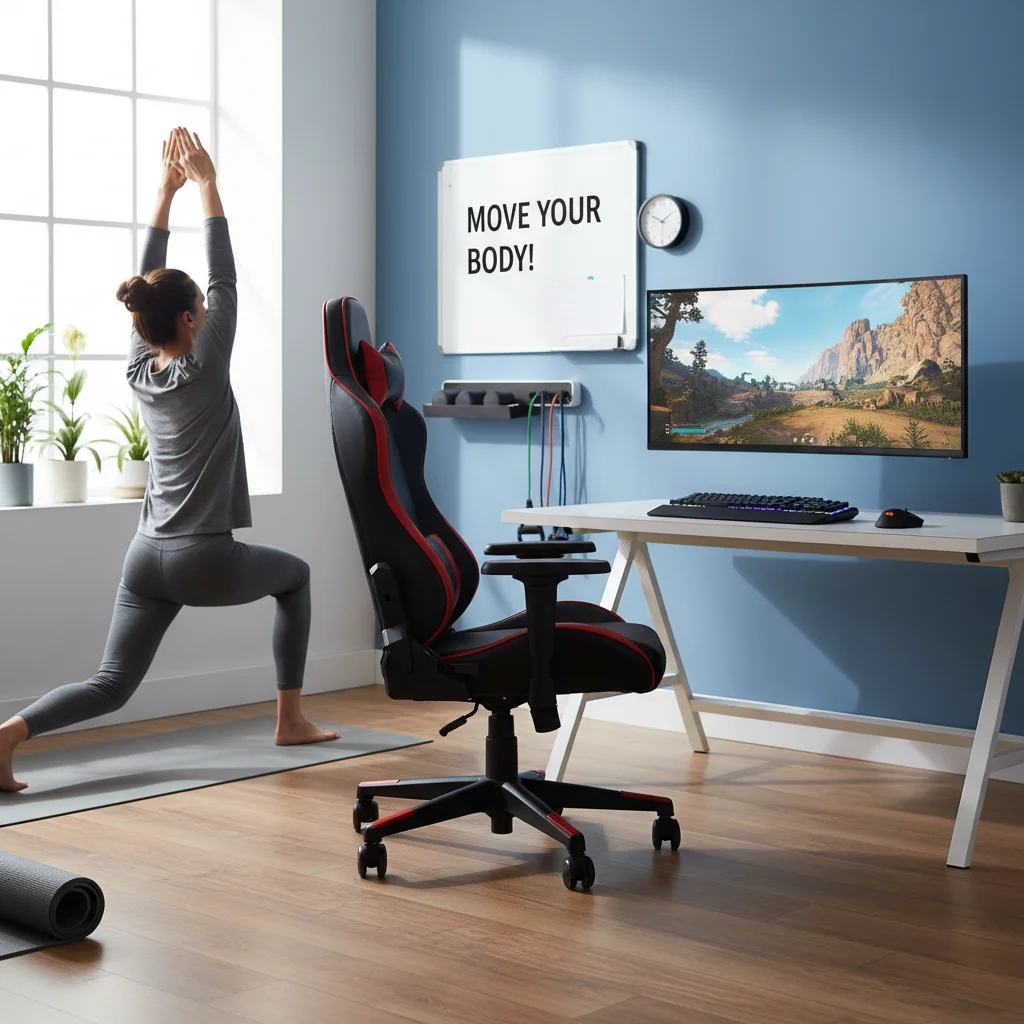
An ergonomically sound gaming setup is not a luxury; it’s a necessity. This means investing in a high-quality, adjustable gaming chair that provides lumbar support and proper armrests. Your monitor should be at eye level, approximately an arm’s length away, to prevent neck strain and reduce eye fatigue. Your keyboard and mouse should be positioned to allow your wrists to remain straight and relaxed. Consider ergonomic keyboards and mice, and make sure your desk height is appropriate for your stature. Even small adjustments can make a profound difference in preventing discomfort and long-term injuries. Remember, discomfort is your body’s way of telling you something is wrong. Listen to it.
Regular Movement and Stretching: Breaking the Sedentary Cycle
Sitting for prolonged periods is detrimental to overall health. It slows metabolism, impacts circulation, and can contribute to weight gain and cardiovascular issues. The solution is simple but often overlooked: regular movement. Incorporate short breaks into your gaming sessions, ideally every 30-60 minutes. During these breaks, stand up, walk around, and perform simple stretches. Focus on stretching your wrists, fingers, neck, shoulders, and back. There are numerous resources online for gamer-specific stretches that can be done quickly and effectively.
Beyond short breaks, aim for at least 30 minutes of moderate-intensity physical activity most days of the week. This could be anything from a brisk walk, jogging, cycling, swimming, or hitting the gym. Physical activity not only strengthens your body but also improves blood flow to the brain, enhancing focus, reaction time, and overall cognitive function – all crucial for gaming performance. Think of it as a buff for your real-life character. Integrating these physical Gamer Well-being Habits will not only extend your gaming longevity but also improve your quality of life.
2. Master Mindful Hydration and Nutrition: Fueling Your Performance
What you put into your body directly impacts your mental acuity, energy levels, and even your mood. For gamers, who often rely on quick snacks and energy drinks, mindful hydration and nutrition are critical Gamer Well-being Habits that often get overlooked. Proper fueling is not just about avoiding hunger; it’s about optimizing your brain and body for peak performance.
The Power of Water: Your Brain’s Best Friend
Dehydration, even mild, can significantly impair cognitive functions such as concentration, memory, and reaction time – all vital for gaming. Make it a habit to drink water consistently throughout the day. Keep a water bottle within reach at your gaming station and refill it regularly. Avoid sugary drinks and excessive caffeine, which can lead to energy crashes and jitters. While a cup of coffee might provide a temporary boost, consistent hydration with water offers sustained energy and mental clarity. Aim for at least 8 glasses of water per day, and more if you’re physically active or in a warm environment.
Nutrient-Rich Fuel: Beyond the Quick Fix
While a bag of chips or a slice of pizza might be convenient, they won’t sustain your performance in the long run. Focus on a balanced diet rich in whole foods: lean proteins, complex carbohydrates, and healthy fats. Proteins (chicken, fish, beans) help with muscle repair and satiety. Complex carbs (oats, whole grains, vegetables) provide sustained energy. Healthy fats (avocado, nuts, olive oil) are crucial for brain health. Incorporate plenty of fruits and vegetables for essential vitamins, minerals, and antioxidants.
Planning your meals and snacks ahead of time can prevent you from reaching for unhealthy options during intense gaming sessions. Prepare healthy snacks like nuts, fruit, or yogurt. Consider meal prepping on your days off to ensure you always have nutritious options available. Think of your body as a high-performance gaming rig; you wouldn’t put cheap, unreliable components in it, so why fuel it with junk food? These nutritional Gamer Well-being Habits are fundamental for sustained energy and focus.
3. Cultivate Quality Sleep: The Ultimate Performance Enhancer
Sleep is not a luxury; it’s a biological necessity, especially for gamers who demand high levels of cognitive function and quick reaction times. In 2026, with the constant allure of online communities and late-night gaming sessions, sacrificing sleep has become a common yet detrimental habit. Prioritizing quality sleep is one of the most impactful Gamer Well-being Habits you can adopt.
The Science of Sleep and Gaming
During sleep, your brain consolidates memories, processes information, and repairs itself. Lack of sleep can lead to impaired decision-making, slower reaction times, reduced hand-eye coordination, and increased irritability. It also weakens your immune system, making you more susceptible to illness. For competitive gamers, even a slight reduction in sleep quality can mean the difference between victory and defeat. For casual players, it can diminish the enjoyment and immersion of the game.
Building a Robust Sleep Routine
Aim for 7-9 hours of quality sleep per night. To achieve this, establish a consistent sleep schedule, going to bed and waking up at roughly the same time each day, even on weekends. Create a relaxing pre-sleep routine: avoid screens (phones, computers, TVs) for at least an hour before bed, as the blue light emitted can disrupt melatonin production. Instead, read a book, listen to calming music, or take a warm bath.
Ensure your bedroom is a conducive environment for sleep: dark, quiet, and cool. Avoid heavy meals, caffeine, and alcohol close to bedtime. While it might be tempting to squeeze in ‘just one more game,’ remember that the best upgrade you can give your gaming performance is a good night’s sleep. These sleep-focused Gamer Well-being Habits are crucial for both your gaming prowess and your overall health.
4. Implement Digital Detoxes and Screen Breaks: Recharge Your Senses
While gaming is inherently digital, constantly being tethered to screens can lead to digital fatigue, eye strain, and mental overload. In 2026, the pervasive nature of technology makes intentional digital detoxes more important than ever. Integrating regular screen breaks and longer digital detox periods into your routine are essential Gamer Well-being Habits for maintaining mental clarity and preventing burnout.
Short Screen Breaks: Protecting Your Eyes and Mind
The 20-20-20 rule is a simple yet effective strategy for eye health: every 20 minutes, look at something 20 feet away for at least 20 seconds. This helps your eyes refocus and reduces strain. Beyond eye health, use these short breaks to stand up, stretch, or simply close your eyes and take a few deep breaths. These micro-breaks can significantly reduce mental fatigue and improve focus when you return to your game.
Scheduled Digital Detoxes: Reconnecting with the Real World
Beyond short breaks, schedule longer periods away from all screens. This could be an hour every day, a half-day on weekends, or even a full day once a week. During these detox periods, engage in activities that don’t involve screens: go for a walk in nature, pursue a non-digital hobby, spend time with loved ones, read a physical book, or engage in creative pursuits. The goal is to give your brain a break from constant digital stimulation and reconnect with the physical world. This practice helps to reset your mind, reduce stress, and prevent the feeling of being overwhelmed by technology. Adopting these digital detox Gamer Well-being Habits will enhance your appreciation for gaming when you return to it, making your sessions more enjoyable and productive.
5. Nurture Social Connections Beyond Gaming: A Balanced Social Life
Gaming often fosters strong online communities and friendships, which are incredibly valuable. However, relying solely on digital interactions can sometimes lead to feelings of isolation or a skewed perception of social connection. In 2026, as online interactions become even more sophisticated, it’s crucial for US gamers to also nurture social connections in the physical world. This balanced approach to social interaction is a vital component of holistic Gamer Well-being Habits.
The Importance of Face-to-Face Interaction
Humans are inherently social creatures, and face-to-face interactions offer unique benefits that online communication cannot fully replicate. These include non-verbal cues, shared physical experiences, and a deeper sense of presence and connection. Spending time with friends and family in person can reduce stress, improve mood, and provide a sense of belonging that is distinct from online communities.
Balancing Online and Offline Friendships
Make an effort to schedule regular meetups with friends and family. This could be anything from grabbing a meal, going for a hike, attending local events, or simply having a conversation without the distraction of screens. While your gaming friends are important, diversifying your social circle can provide different perspectives and enrich your life. These offline interactions can also serve as natural breaks from gaming, reinforcing your digital detox efforts.
Remember, a strong support system, both online and offline, is crucial for mental and emotional well-being. Don’t let your passion for gaming overshadow the importance of real-world relationships. Cultivating these balanced social Gamer Well-being Habits will lead to a more fulfilling and resilient personal life, which in turn can positively impact your gaming performance and enjoyment.
6. Practice Mindfulness and Stress Management: Sharpening Your Mental Edge
Gaming, especially competitive gaming, can be intensely stressful. From high-stakes matches to dealing with toxic players or content creation pressures, the mental demands are significant. Developing effective mindfulness and stress management techniques are indispensable Gamer Well-being Habits for maintaining focus, emotional control, and preventing burnout in 2026.
Understanding Gaming Stress
Stress in gaming can manifest in various ways: anxiety before a big match, frustration from losing streaks, anger at teammates, or the pressure to perform for an audience. Chronic stress not only detracts from the enjoyment of gaming but can also lead to physical health problems, sleep disturbances, and impaired cognitive function. Learning to manage this stress is key to longevity and consistent performance.
Tools for Mental Resilience: Mindfulness and Meditation
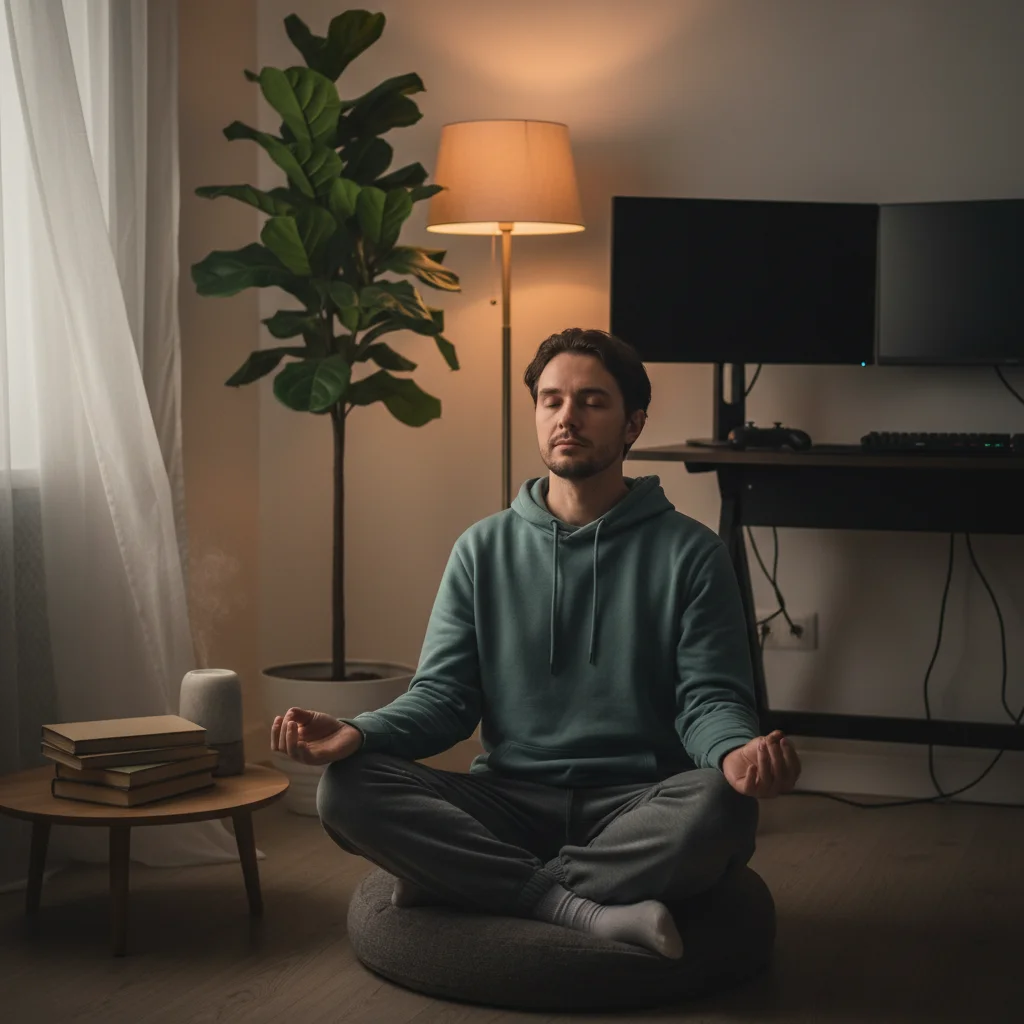
Mindfulness is the practice of being present and fully engaged in the current moment, without judgment. This can be incredibly powerful for gamers, helping to maintain focus during critical moments and to process emotions constructively. Simple mindfulness exercises, like focusing on your breath for a few minutes before or after a gaming session, can make a big difference. There are many guided meditation apps and resources available that can help you get started.
Other stress management techniques include deep breathing exercises, progressive muscle relaxation, and journaling. When you feel frustration building, take a short break, step away from the screen, and engage in one of these practices. Learning to recognize and respond to stress signals early can prevent them from escalating. By integrating these mindfulness and stress management Gamer Well-being Habits, you’re not just improving your mental health; you’re actively enhancing your ability to perform under pressure and enjoy your gaming experience more fully.
7. Set Healthy Boundaries and Time Management: Gaming with Purpose
Perhaps one of the most challenging yet crucial Gamer Well-being Habits for US gamers in 2026 is setting healthy boundaries around gaming and practicing effective time management. The immersive nature of games can make it difficult to know when to stop, leading to neglected responsibilities, disrupted sleep, and an unbalanced life. Gaming with purpose means enjoying your passion while ensuring it complements, rather than detracts from, your overall well-being.
Defining Your Gaming Boundaries
Start by honestly assessing your gaming habits. How much time do you realistically want to dedicate to gaming each day or week? What are your non-gaming priorities (work, school, family, exercise, sleep)? Once you have a clear picture, set specific, non-negotiable boundaries. For example, you might decide that gaming stops at a certain hour each night, or that you won’t game until after certain responsibilities are met. Use alarms or timers to signal the end of a gaming session. Communicate these boundaries to your gaming friends so they understand your schedule.
Effective Time Management Strategies
Beyond setting boundaries, actively manage your time. Use calendars or scheduling apps to block out time for gaming, but also for work, exercise, social activities, and relaxation. The Pomodoro Technique, where you work for 25 minutes and then take a 5-minute break, can be adapted for gaming sessions to ensure you’re incorporating those vital screen breaks. Prioritize your tasks and responsibilities, ensuring that gaming doesn’t consistently push essential life tasks to the back burner.
Remember, gaming should be an enjoyable part of your life, not something that controls it. By consciously setting boundaries and managing your time effectively, you gain control over your gaming habits, allowing you to maximize enjoyment and minimize negative impacts. These intentional time management Gamer Well-being Habits are the key to a sustainable and fulfilling gaming journey.
Conclusion: Embracing a Holistic Gaming Lifestyle in 2026
As we navigate the exciting and demanding world of gaming in 2026, the importance of a holistic approach to well-being cannot be overstated. The seven Gamer Well-being Habits outlined in this article – prioritizing ergonomics and physical activity, mastering mindful hydration and nutrition, cultivating quality sleep, implementing digital detoxes, nurturing social connections, practicing mindfulness and stress management, and setting healthy boundaries and time management – are not just recommendations; they are essential tools for longevity, peak performance, and overall happiness.
These habits are interconnected, each supporting and enhancing the others. A well-rested gamer with a balanced diet and regular physical activity will naturally have better focus and less stress. Someone who takes regular screen breaks and nurtures offline connections will likely experience less digital fatigue and a stronger sense of social belonging. The synergy between these practices creates a powerful foundation for a sustainable gaming lifestyle.
The journey to integrating these habits may not be without its challenges. It requires conscious effort, discipline, and a willingness to adapt. However, the rewards are immense: not only will you see improvements in your gaming skill and consistency, but you will also experience enhanced physical health, mental resilience, and a more fulfilling personal life. So, take these actionable steps, make them your own, and embark on a path where your passion for gaming coexists harmoniously with your complete well-being. Your future self, both in and out of the game, will thank you.