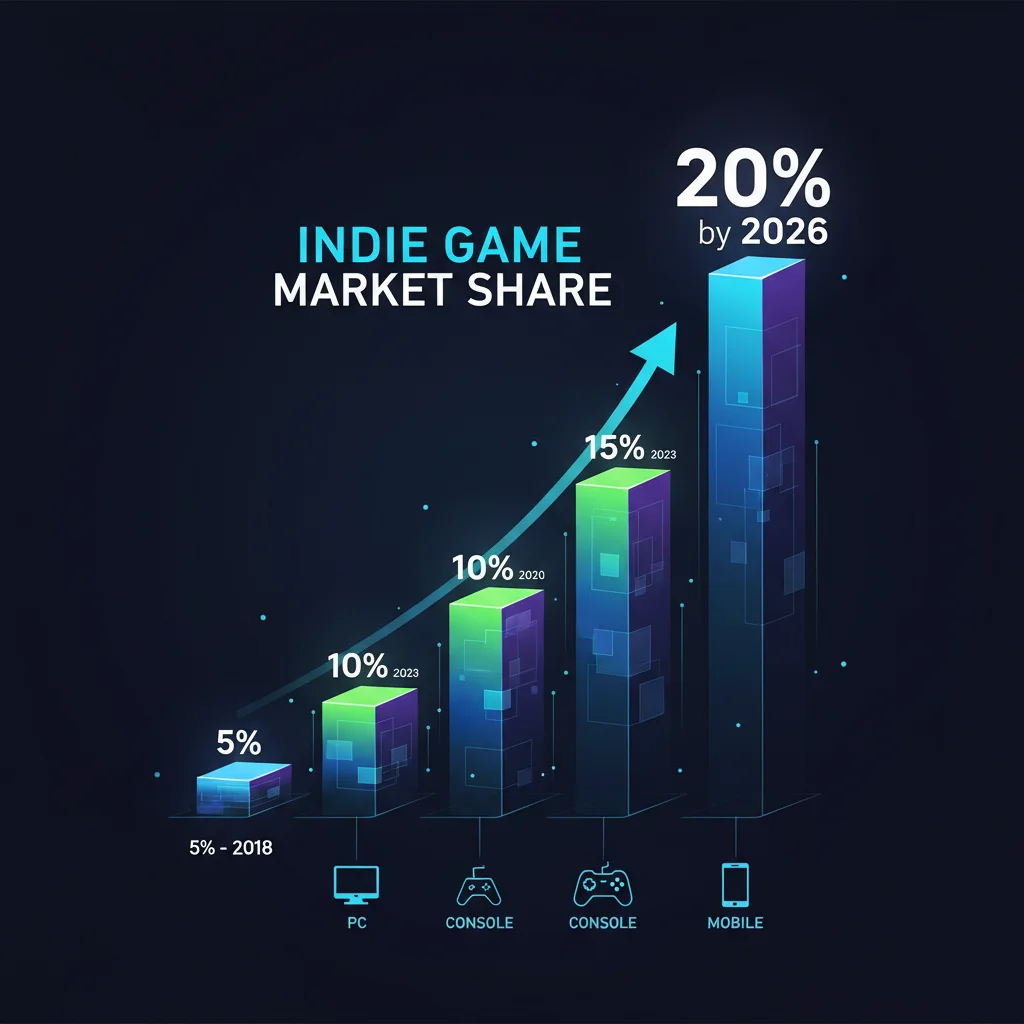
The gaming industry is a dynamic, ever-evolving landscape, constantly reshaped by technological advancements, shifts in consumer preferences, and the relentless creativity of developers. While AAA titles often dominate headlines with their colossal budgets and massive marketing campaigns, a quieter, yet profoundly impactful revolution has been brewing beneath the surface: the rise of indie games. These independent creations, often born from small teams or even solo developers, are no longer just niche curiosities. They are powerful contenders, increasingly capturing significant portions of the global gaming audience and, notably, the US market. Projections indicate that the indie games market is on track to command an astonishing 20% of the US gaming market by 2025-2026, a testament to their growing influence and undeniable appeal. This isn’t merely a trend; it’s a fundamental shift in how games are created, discovered, and consumed.
For decades, the gaming industry was largely defined by established publishers and developers, whose financial muscle and distribution networks dictated what players saw. Indie games, while always present in some form, often struggled for visibility and resources. However, the digital age has leveled the playing field considerably. Platforms like Steam, itch.io, and the digital storefronts of consoles have democratized game distribution, allowing independent developers to reach global audiences without the need for traditional publishers. This accessibility, combined with a burgeoning appetite for unique, innovative, and often deeply personal gaming experiences, has fueled an unprecedented surge in the popularity and commercial viability of indie games market offerings. The 20% market share prediction is not just a number; it represents a cultural embrace of diverse narratives, experimental mechanics, and artistic freedom that big-budget productions often cannot afford to risk.

How would you like to receive it?
Select the option that suits you best.
This article will delve into the multifaceted reasons behind this remarkable growth. We will explore the pivotal role of digital distribution, the creative freedom that defines indie development, the power of community engagement, and the evolving expectations of players. Understanding these factors is crucial for anyone looking to comprehend the future trajectory of the gaming industry. The journey of indie games from the periphery to a projected 20% market share is a compelling narrative of innovation, resilience, and the enduring power of passion in game creation.
The Democratization of Game Development and Distribution
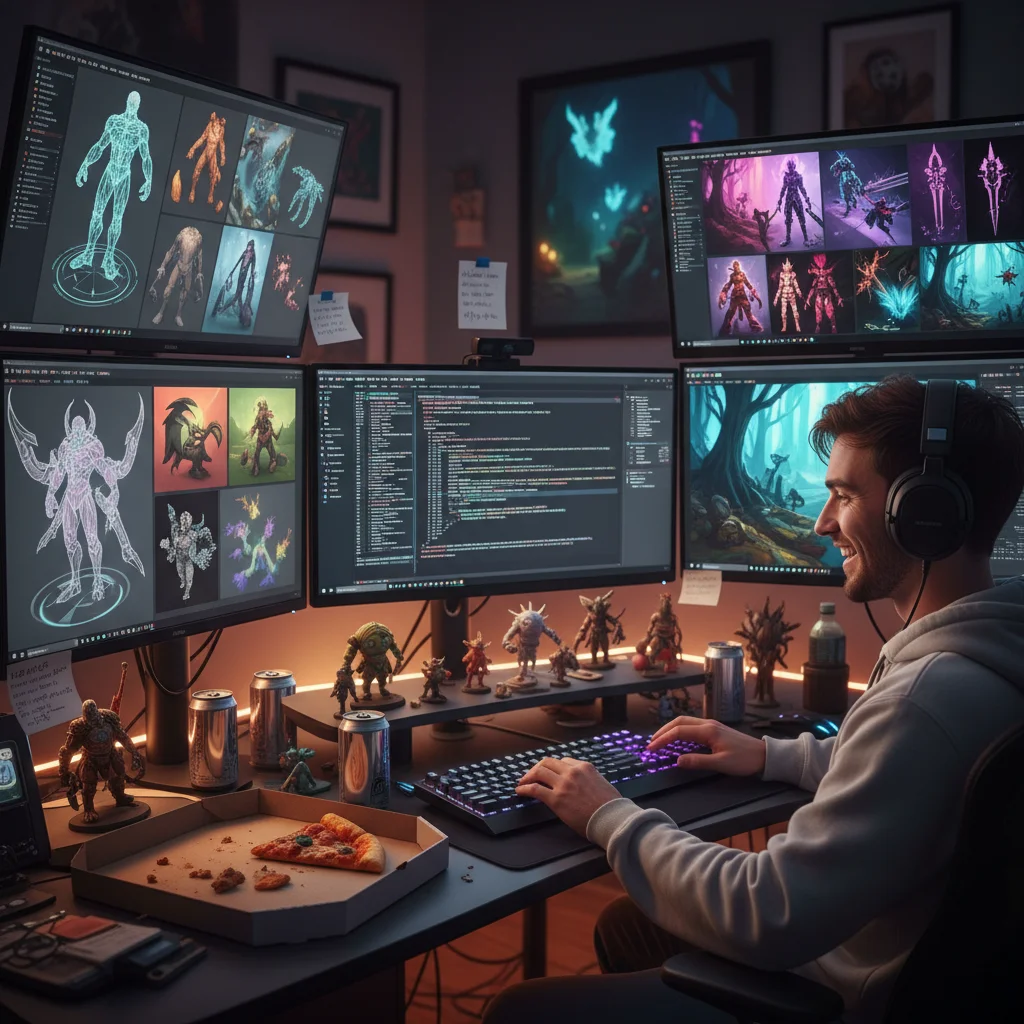
One of the most significant catalysts for the expansion of the indie games market is the democratization of both development tools and distribution channels. Historically, creating a video game required specialized hardware, expensive software licenses, and often, a large team of experts. Today, readily available and often free or affordable game engines like Unity and Unreal Engine have put powerful development capabilities into the hands of virtually anyone with an idea and a computer. This has dramatically lowered the barrier to entry, allowing aspiring developers to turn their creative visions into playable realities without needing a massive investment or a publisher’s backing.
Accessible Tools and Engines
The proliferation of user-friendly game engines has been revolutionary. Unity and Unreal Engine, for instance, offer robust toolsets, extensive documentation, and vibrant communities that provide support and resources. These engines are not just for beginners; many commercially successful indie titles, and even some AAA games, are built using them. This accessibility means that unique concepts and innovative gameplay mechanics can be prototyped and developed with relative ease, fostering an environment ripe for creative experimentation. Developers can focus more on the artistic and gameplay aspects of their creations rather than getting bogged down by complex proprietary technology.
Digital Distribution Platforms: A Game Changer
Equally critical to the rise of the indie games market are digital distribution platforms. Before their widespread adoption, indie developers faced immense challenges in bringing their games to market. They often had to rely on self-publishing physical copies, which was expensive and had limited reach, or try to secure a publishing deal, which was often only available to more established studios. Platforms like Steam, GOG, itch.io, and the digital storefronts on PlayStation, Xbox, and Nintendo Switch have changed this paradigm entirely. These platforms allow developers to upload, market, and sell their games directly to a global audience, taking a percentage of sales but leaving the majority of creative and business control in the hands of the developer.
Steam, in particular, has been a monumental force, providing a massive user base and powerful discovery tools. Its early embrace of indie titles, through initiatives like Steam Greenlight (now Steam Direct), gave countless small studios their first taste of mainstream success. Console digital storefronts have also become increasingly welcoming, recognizing the value that indie titles bring in terms of diversity and innovation to their game libraries. This direct-to-consumer model bypasses traditional gatekeepers, fostering a more diverse and competitive market where quality and originality can shine through.
The impact of these democratized tools and distribution channels cannot be overstated. They have created a fertile ground for creativity, enabling a vast array of unique gaming experiences to reach players who are increasingly looking beyond the conventional offerings of big publishers. This foundational shift is a primary driver behind the projected 20% indie games market share.
Creative Freedom and Innovation: The Indie Advantage
While large studios are often constrained by investor expectations, market trends, and the need to appeal to the broadest possible audience, indie developers enjoy unparalleled creative freedom. This freedom is a cornerstone of their success and a major draw for players seeking fresh, unconventional experiences. The indie games market thrives on innovation, artistic expression, and a willingness to take risks that AAA studios often cannot.
Unleashing Unique Visions
Indie developers are not typically beholden to marketing departments or corporate boards demanding adherence to established formulas. This allows them to pursue unique artistic visions, experiment with unconventional gameplay mechanics, and explore narratives that might be considered too niche or risky for mainstream publishers. The result is a diverse tapestry of games that push boundaries in terms of storytelling, art style, and interactive design. From the minimalist beauty of "Journey" to the intricate lore of "Hollow Knight" or the procedural generation of "Stardew Valley," indie games consistently deliver experiences that feel distinct and memorable.
This creative liberty fosters a culture of innovation. Indie developers are often the first to explore new genres, combine disparate mechanics, or leverage emerging technologies in novel ways. They are not afraid to fail, and even "failures" can often lead to valuable lessons and inspire future successes. This iterative and experimental approach contributes significantly to the richness and variety of the overall gaming ecosystem.
Personal Narratives and Emotional Depth
Many indie games are deeply personal projects, reflecting the experiences, beliefs, and artistic sensibilities of their creators. This often translates into games with profound emotional depth, thought-provoking themes, and compelling narratives that resonate strongly with players. Unlike the often market-tested storylines of AAA titles, indie games can tackle sensitive subjects, explore complex human emotions, or present alternative perspectives without the pressure of mass appeal. Games like "Celeste" (dealing with mental health) or "What Remains of Edith Finch" (exploring family history and loss) are prime examples of how indie titles can offer rich, meaningful experiences that go beyond mere entertainment.
This focus on personal expression and artistic integrity allows indie games to forge deeper connections with players. They often feel more authentic and handcrafted, providing a sense of intimacy that can be rare in larger productions. This emotional resonance is a powerful factor in building dedicated fan bases and contributing to the sustained growth of the indie games market.
Community Engagement and Player-Centric Development
The relationship between indie developers and their communities is fundamentally different from that of large publishers. Indie studios often foster direct, open communication with their player base, leading to a more engaged and loyal community. This player-centric approach is another crucial factor propelling the indie games market towards its projected 20% share.
Early Access and Collaborative Development
Many indie developers utilize models like Early Access, allowing players to purchase and play unfinished versions of games. This isn’t just a funding mechanism; it’s a collaborative development process. Players provide invaluable feedback, report bugs, suggest features, and even influence the direction of the game’s development. This direct engagement makes players feel invested in the project, transforming them from passive consumers into active participants in the creative process. Games like "Factorio," "Valheim," and "Hades" are shining examples of how Early Access, coupled with responsive developers, can lead to highly polished and beloved titles.
This iterative development, shaped by community input, often results in games that are exceptionally well-tailored to player desires. It builds trust and loyalty, as players feel heard and valued. This collaborative spirit is a hallmark of the indie games market and a significant differentiator from traditional game development cycles.
Direct Communication and Transparency
Indie developers frequently engage with their communities through social media (Twitter, Discord, Reddit), livestreams, and developer blogs. They share development updates, discuss design choices, and openly address player concerns. This level of transparency builds a strong sense of community and connection. Players feel closer to the creators, understanding the challenges and triumphs of game development. This direct line of communication helps cultivate a passionate fan base that not only plays the games but also advocates for them, spreading positive word-of-mouth.
Furthermore, indie developers are often more nimble and responsive to player feedback. Patches and updates can be deployed quickly, addressing issues or implementing requested features in a fraction of the time it might take a larger studio. This agility keeps players engaged and demonstrates a commitment to improving the game based on community input, further solidifying the position of the indie games market.
Affordability and Value Proposition
In an era where AAA titles often launch at premium prices, the indie games market frequently offers compelling value propositions that appeal to a broad spectrum of gamers. Affordability, combined with high-quality gameplay and replayability, makes indie titles an attractive option for many players.
Lower Price Points, High Quality
Indie games typically retail at lower price points than their AAA counterparts. This is partly due to smaller development budgets and shorter development cycles. However, a lower price does not equate to lower quality. Many indie games offer hundreds of hours of engaging gameplay, innovative mechanics, and rich content for a fraction of the cost of a new blockbuster title. This accessible pricing strategy allows players to explore a wider variety of games without breaking the bank, encouraging experimentation and discovery within the indie games market.
The perception of value is critical. When players can acquire a critically acclaimed and deeply satisfying game for $20-$30, it represents an excellent return on investment, especially when compared to a $60-$70 AAA game that might offer a shorter campaign or less replay value. This economic advantage is a significant factor in attracting budget-conscious gamers and expanding the overall player base for indie titles.
Replayability and Content Updates
Many indie games are designed with high replayability in mind. Roguelikes, sandbox games, and titles with emergent gameplay mechanics offer endless hours of unique experiences. Furthermore, indie developers often continue to support their games with free content updates, expansions, and community events long after launch. This ongoing support adds immense value and keeps players coming back, fostering long-term engagement. "Terraria," "Stardew Valley," and "Minecraft" (which started as an indie project) are prime examples of games that have achieved legendary status through continuous updates and community-driven content, demonstrating the enduring appeal and value within the indie games market.
The Evolving Definition of "Gamer" and Market Expansion
The traditional image of a "gamer" has broadened considerably over the past decade. Gaming is no longer a niche hobby; it’s a mainstream form of entertainment enjoyed by people of all ages, backgrounds, and interests. This expansion of the gaming audience has created new opportunities for the indie games market, as it caters to diverse tastes and preferences that big publishers often overlook.
Catering to Diverse Tastes
While AAA games often target a specific demographic with well-established genres (e.g., first-person shooters, open-world action-adventure), indie games explore a much wider spectrum of experiences. From serene puzzle games to narrative-driven adventures, from complex simulation titles to retro-inspired platformers, the indie games market offers something for everyone. This diversity appeals to new players who might not be interested in traditional blockbuster genres, as well as seasoned gamers looking for something fresh and different.
For example, mobile gaming has introduced millions of casual players to the world of video games. While many mobile games are developed by larger studios, the accessibility of mobile development also allows indie creators to reach this massive audience with innovative and engaging titles. The variety ensures that as the gaming audience grows and diversifies, indie games are often perfectly positioned to meet these evolving demands.
The Rise of "Cozy Gaming" and Niche Genres
A notable trend is the rise of "cozy gaming," where players seek relaxing, low-stress experiences. Indie games like "Animal Crossing" (though now a Nintendo IP, its roots and spirit align with indie values) and "Stardew Valley" have popularized this genre, offering escapism and comfort. These games often focus on crafting, exploration, and community building rather than intense combat or competition. This niche, largely pioneered and dominated by indie developers, has tapped into a significant segment of the gaming population looking for different kinds of interactive entertainment. The ability of the indie games market to identify and successfully cultivate such niche genres further solidifies its growth trajectory.
Challenges and Future Outlook for the Indie Games Market
While the outlook for the indie games market is overwhelmingly positive, it’s essential to acknowledge the challenges that developers face and how these might shape the future. The projected 20% market share by 2025-2026 is ambitious, but achievable, provided the industry continues to adapt.
Visibility and Discoverability
With the sheer volume of games being released daily across various platforms, discoverability remains a significant hurdle for indie developers. Standing out in a crowded marketplace requires effective marketing, strong community engagement, and often, a stroke of luck. While digital storefronts offer accessibility, they also present a paradox of choice. Developers must increasingly invest in marketing and community building to ensure their games are seen.
Platforms are continually refining their algorithms and curation methods to help players find relevant games, but this is an ongoing battle. The future success of the indie games market will partly depend on how well these platforms can balance discoverability with the influx of new titles.
Sustainability and Burnout
Indie game development is often a labor of love, but it can also be incredibly demanding. Long hours, financial insecurity, and the pressure to deliver can lead to burnout. Many indie studios operate on shoestring budgets, and a single commercial failure can be devastating. Ensuring the sustainability of indie development, both financially and personally for creators, is crucial for the long-term health of the indie games market.
Organizations and initiatives aimed at supporting indie developers, providing grants, mentorship, and business advice, will play an increasingly important role in mitigating these challenges. Furthermore, developers are becoming more adept at managing scope and leveraging tools to streamline their processes, helping to make development more sustainable.
The Role of Cloud Gaming and Subscriptions
The advent of cloud gaming services (like Xbox Game Pass, PlayStation Plus, and GeForce Now) and subscription models presents both opportunities and challenges for the indie games market. On one hand, these services offer new revenue streams and massive exposure to a broad subscriber base. An indie game featured on a popular subscription service can experience a huge surge in player numbers and critical attention.
On the other hand, negotiating deals with these platforms can be complex, and developers must carefully consider the financial implications of having their game included in a subscription library versus traditional direct sales. The evolving landscape of game consumption will undoubtedly influence how indie developers strategize their releases and monetization models.
Conclusion: The Future is Bright for the Indie Games Market
The journey of indie games from the fringes to a projected 20% share of the US gaming market by 2025-2026 is a compelling narrative of transformation. This significant growth is not accidental; it is the culmination of several powerful forces converging: the democratization of development tools and distribution platforms, the unparalleled creative freedom enjoyed by indie developers, their deep engagement with player communities, and the excellent value proposition they offer.
Indie games have proven their ability to innovate, to tell unique stories, to experiment with gameplay, and to connect with players on a deeply personal level. They cater to an increasingly diverse gaming audience, filling niches that larger publishers often overlook and pushing the boundaries of what video games can be. While challenges in discoverability and sustainability persist, the continued evolution of digital platforms and community support networks are helping to mitigate these hurdles.
The 20% market share forecast is more than just a statistic; it signifies a maturing industry where creativity and innovation are increasingly valued alongside blockbuster production. It means more diverse games, more unique voices, and ultimately, a richer and more vibrant gaming ecosystem for everyone. As the indie games market continues its ascendancy, it promises not just a shift in market share, but a fundamental reshaping of the future of interactive entertainment. For players, developers, and industry observers alike, the coming years will undoubtedly be an exciting time to witness the ongoing evolution and impact of independent games.