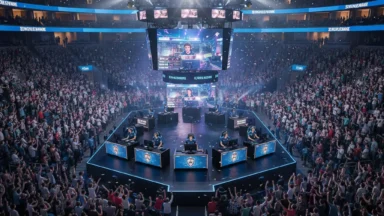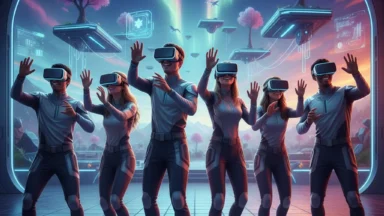
The landscape of US gaming culture is undergoing a profound transformation. What was once perceived as a niche hobby has blossomed into a global phenomenon, influencing entertainment, technology, and social interaction. With this growth comes an increasing demand for representation, authenticity, and inclusivity. Gamers from all walks of life are seeking experiences that mirror their own realities, reflect their identities, and offer a sense of belonging within virtual worlds. This year, a spotlight shines on several major games that are not just acknowledging this shift but actively championing diversity and inclusion, setting new benchmarks for the industry.
The concept of gaming diversity inclusion is no longer a peripheral concern; it’s a core pillar of modern game development and a crucial factor in a game’s success and cultural impact. By integrating diverse characters, narratives, and perspectives, these games are not only enriching the player experience but also fostering a more welcoming and understanding community. This article delves into how six prominent games are leading this charge, exploring their innovative approaches and the positive ripple effects they are creating across the US gaming scene.
From character design to storytelling, community engagement to accessibility features, the commitment to diversity is multifaceted. These games demonstrate that inclusivity isn’t just about ticking boxes; it’s about crafting deeper, more resonant experiences that connect with a broader audience. As we explore each title, we will uncover the specific ways they are contributing to this vital movement, showcasing how the future of gaming is undeniably diverse and inclusive.
The Evolving Face of Gaming: Why Diversity Matters More Than Ever
For decades, the typical gamer stereotype often depicted a young, white male. While this demographic remains a significant part of the gaming community, it is far from representative of the entire player base today. Studies consistently show that gamers are incredibly diverse in terms of age, gender, ethnicity, and background. Ignoring this diversity means alienating a vast portion of potential players and stifling creative potential within the industry.
Embracing gaming diversity inclusion brings numerous benefits. For developers, it opens up new creative avenues, allowing for richer storytelling, more complex characters, and innovative gameplay mechanics. For players, it offers the invaluable opportunity to see themselves reflected in the games they love, fostering a stronger sense of identification and belonging. It also introduces them to new perspectives, promoting empathy and understanding across different cultures and experiences.
Moreover, a diverse and inclusive gaming environment is a healthier one. It combats toxicity, promotes respect, and encourages constructive dialogue. When games actively champion diversity, they send a powerful message that everyone is welcome, regardless of who they are or where they come from. This is particularly important in the US, a melting pot of cultures and identities, where the gaming community reflects this national diversity.
The industry’s shift towards greater inclusivity is not merely a trend; it’s a fundamental recognition of its global and diverse audience. Companies that prioritize diversity in their development teams, character rosters, and narratives are not only doing good; they are also making smart business decisions. A wider appeal translates to larger player bases, increased engagement, and ultimately, greater commercial success. The games highlighted in this article are prime examples of this synergy between ethical development and market success.
Game 1: Championing LGBTQ+ Representation in Storytelling
One of the pioneering titles in fostering gaming diversity inclusion has made significant strides in LGBTQ+ representation. This game, renowned for its intricate narrative and character development, has woven complex and authentic LGBTQ+ storylines into its core fabric. Unlike past attempts where representation might have felt tokenistic or superficial, this game integrates these identities seamlessly, making them integral to the plot and character arcs.
Players are presented with diverse romantic options that include same-sex relationships, and characters whose gender identities extend beyond traditional binaries. The game’s writers have clearly invested in research and consultation with LGBTQ+ communities to ensure that these portrayals are respectful, nuanced, and avoid harmful stereotypes. This level of authenticity resonates deeply with players, particularly those from the LGBTQ+ community who rarely see their experiences reflected with such depth in mainstream media.
The impact of this game extends beyond its narrative. It has sparked important conversations within the gaming community about representation, acceptance, and the importance of inclusive storytelling. It serves as a powerful example that rich, compelling narratives can (and should) feature diverse identities, proving that inclusivity enhances, rather than detracts from, a game’s artistic merit and commercial appeal. Its success has undoubtedly encouraged other developers to consider more inclusive approaches to character development and relationship dynamics.
The thoughtful inclusion of LGBTQ+ characters and storylines not only provides much-needed visibility but also normalizes these experiences for a broader audience, fostering empathy and understanding. This game demonstrates that integrating diverse sexual orientations and gender identities can lead to more complex, emotionally resonant, and ultimately, more universally appealing stories in the gaming world.
Game 2: Redefining Racial and Ethnic Representation
Another game has taken a bold step in redefining racial and ethnic representation within a popular genre. Moving away from historically homogenous casts, this title features a main protagonist and a supporting cast that reflects the rich tapestry of global ethnicities, particularly focusing on underrepresented groups in gaming. The characters are not simply diverse in appearance; their cultural backgrounds, languages, and traditions are intricately woven into the game’s world-building and narrative.
The developers have gone to great lengths to ensure cultural authenticity, collaborating with cultural consultants and voice actors from diverse backgrounds. This commitment to accuracy prevents caricatures and instead presents fully realized, multi-dimensional characters whose identities are celebrated rather than stereotyped. The game explores themes of heritage, migration, and identity in ways that are both educational and entertaining, offering players a window into different cultural experiences.
This approach to gaming diversity inclusion has been met with widespread acclaim, particularly from players who have long yearned to see themselves genuinely represented in virtual worlds. It shows that diversity can be a source of strength and richness in storytelling, adding layers of depth and realism to fantastical settings. The success of this game serves as a powerful testament to the demand for authentic racial and ethnic representation and will likely inspire future titles to adopt similar inclusive practices.
By centering characters from diverse racial and ethnic backgrounds, this game actively challenges existing norms and expands the horizons of what is considered ‘mainstream’ in gaming. It provides a platform for stories that have often been marginalized, proving that these narratives are not only valid but also deeply compelling and capable of captivating a global audience. This game is a beacon for future development in creating truly global and representative gaming experiences.
Game 3: Accessibility for All – Breaking Down Barriers
Beyond character representation, true gaming diversity inclusion also encompasses accessibility. One groundbreaking game has set a new standard for making its experience accessible to players with various disabilities. Recognizing that physical and cognitive barriers can exclude many from enjoying games, the developers have implemented an impressive suite of accessibility options.
These features include highly customizable controls, remappable buttons, colorblind modes, adjustable text sizes, robust subtitle options with speaker identification, and even complex difficulty settings that allow players to tailor the challenge to their abilities. Furthermore, the game incorporates audio cues and visual aids for players with hearing or visual impairments, ensuring that critical information is conveyed through multiple sensory channels.
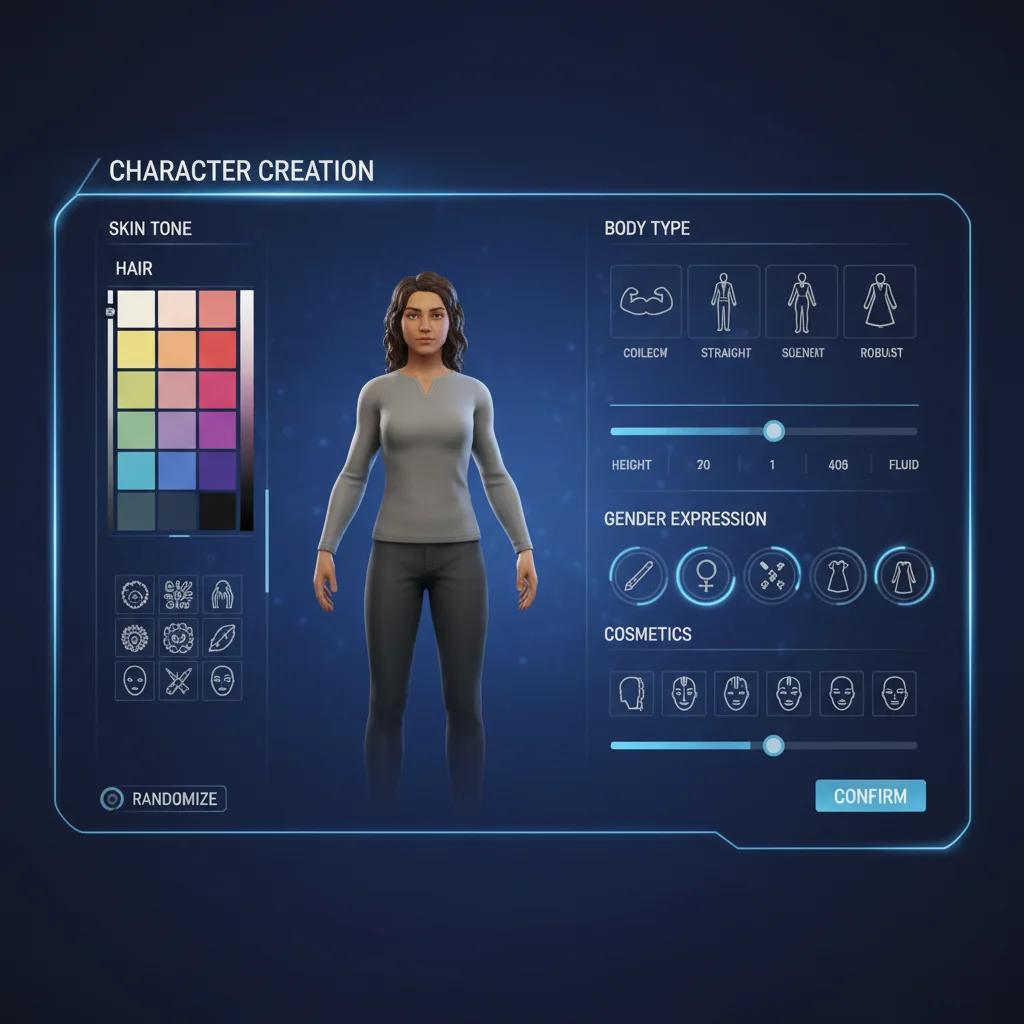
The impact of these accessibility features cannot be overstated. For many players with disabilities, this game represents an opportunity to engage with a medium that has historically been inaccessible to them. It fosters a sense of empowerment and belonging, proving that gaming can indeed be for everyone. The developers’ proactive approach to accessibility demonstrates a deep understanding of inclusive design principles and a genuine commitment to their entire player base.
This game’s success in accessibility serves as a powerful blueprint for the entire industry. It proves that investing in accessible design not only broadens a game’s audience but also enhances the overall user experience for all players. By breaking down barriers, this game is helping to create a gaming world where everyone can participate and thrive, solidifying its place as a leader in promoting comprehensive gaming diversity inclusion.
Game 4: Gender Parity and Female Empowerment
In a genre often dominated by male protagonists, one particular game has made waves by featuring a strong, complex female lead who is central to the narrative and gameplay. This title goes beyond merely having a female character; it explores themes of female empowerment, leadership, and agency in a nuanced and impactful way. The protagonist is not a caricature of strength but a fully fleshed-out individual with vulnerabilities, ambitions, and a compelling personal journey.
The game also features a diverse cast of supporting female characters, each with their own stories and motivations, showcasing a spectrum of female experiences. This deliberate focus on gender parity extends to the game’s development team, with women playing key roles in design, writing, and art, ensuring that female perspectives are authentically integrated from conception to execution.
This commitment to gaming diversity inclusion in terms of gender has resonated profoundly with players, particularly women who have long sought more meaningful representation in games. It challenges traditional gender roles and stereotypes, presenting a vision of gaming where female characters are not just sidekicks or damsels in distress but powerful, independent, and inspiring figures. The game’s critical and commercial success demonstrates that there is a significant appetite for such narratives.
By championing female empowerment, this game is contributing to a healthier and more equitable gaming environment. It serves as a role model for other developers, illustrating that strong female leads can drive compelling stories and attract a broad audience. Its influence is helping to reshape perceptions of gender in gaming, paving the way for a future where diverse gender representation is the norm, not the exception.
Game 5: Socioeconomic Diversity and Class Representation
While often overlooked in discussions of diversity, socioeconomic background and class representation play a crucial role in creating truly inclusive narratives. One innovative game has tackled this head-on, presenting a world where characters from various socioeconomic strata interact, and their class identities significantly impact their experiences and choices within the game’s universe.
This game explores the challenges and realities faced by individuals from different economic backgrounds, from working-class heroes to struggling communities, and the systemic issues that affect them. It avoids simplistic portrayals, instead delving into the complexities of class dynamics, privilege, and inequality. Players are often faced with moral dilemmas that are directly tied to the socioeconomic conditions of the characters and the world they inhabit.
The developers have meticulously crafted environments and narratives that reflect these diverse socioeconomic realities, ensuring that the game feels authentic and grounded. This nuanced approach to gaming diversity inclusion not only adds depth to the storytelling but also encourages players to think critically about societal structures and their impact on individuals. It offers a rare glimpse into experiences that are often marginalized or romanticized in media.
By bringing socioeconomic diversity to the forefront, this game expands the scope of what games can explore and achieve. It demonstrates that inclusive storytelling goes beyond visible characteristics and delves into the lived experiences shaped by economic realities. This game is a vital step towards creating more representative and thought-provoking virtual worlds that reflect the full spectrum of human experience, fostering greater empathy and understanding among its players.
Game 6: Neurodiversity and Mental Health Awareness
A recent and highly acclaimed game has made significant strides in incorporating neurodiversity and mental health awareness into its core narrative and character development. This title features characters who openly deal with various mental health challenges, such as anxiety, depression, and trauma, as well as characters who are neurodivergent, like those on the autism spectrum or with ADHD.
Crucially, these portrayals are handled with immense sensitivity and accuracy, avoiding stigmatization and instead fostering understanding and empathy. The game uses its interactive medium to allow players to experience elements of these conditions, offering a unique perspective on living with mental health issues or neurodivergent traits. It also highlights the importance of support systems, therapy, and self-acceptance.
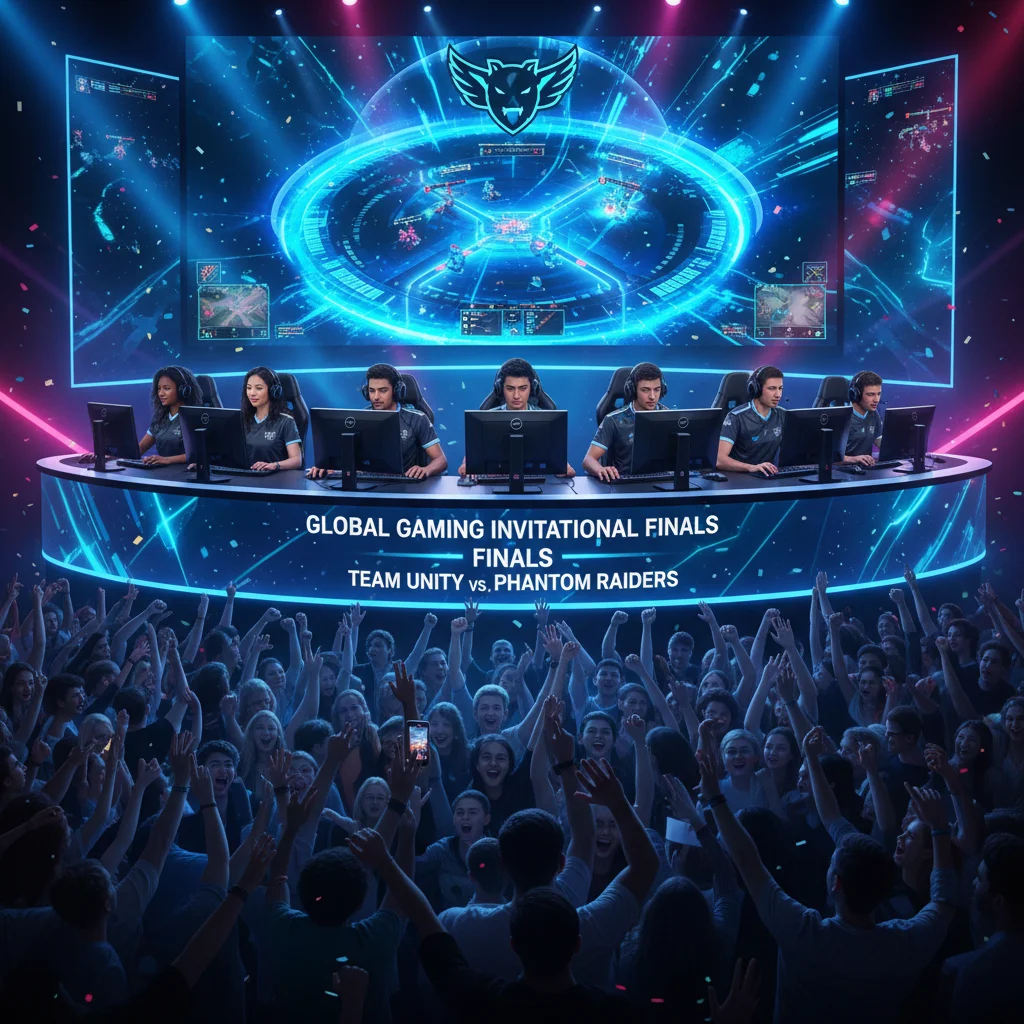
This commitment to gaming diversity inclusion in the realm of mental health and neurodiversity is particularly impactful. It helps to destigmatize these conditions, encouraging open discussion and providing a sense of validation for players who identify with these experiences. The game’s narrative serves as a powerful educational tool, promoting greater awareness and compassion within the gaming community and beyond.
The developers worked closely with mental health professionals and individuals with lived experience to ensure the authenticity and respectfulness of their portrayals. The game’s success underscores a growing demand for media that addresses these important topics with care and insight. It sets a new benchmark for how games can contribute to societal understanding and support for mental well-being and neurodiversity, making gaming a more truly inclusive space for all minds.
The Future of Gaming: A Tapestry of Inclusion
The six games discussed above represent just a fraction of the incredible work being done to promote gaming diversity inclusion within the US gaming culture and globally. Their efforts are not isolated incidents but rather part of a larger, ongoing movement within the industry. Developers are increasingly recognizing the moral imperative and the creative benefits of crafting worlds that are truly reflective of our diverse global society.
The impact of this shift is profound. For players, it means more opportunities to see themselves, their cultures, and their experiences celebrated in the virtual realms they inhabit. It fosters a stronger sense of belonging and validates their identities. For the gaming community as a whole, it leads to richer discussions, greater empathy, and a more welcoming environment for everyone.
Looking ahead, we can expect to see even more innovation in this space. Character customization will continue to become more robust, allowing for unprecedented levels of personal expression. Narratives will delve deeper into complex themes, exploring a wider array of human experiences. Accessibility features will become standard, ensuring that gaming is truly for all abilities. And the representation of diverse identities – be they racial, ethnic, gender, sexual, socioeconomic, or neurodiverse – will continue to evolve, becoming increasingly nuanced and authentic.
The journey towards full inclusivity is ongoing, but the progress made by these games and many others is undeniably significant. They are not merely entertaining; they are shaping culture, challenging perceptions, and building bridges. By embracing gaming diversity inclusion, the US gaming industry is not just creating better games; it’s creating a better, more understanding, and more representative world, one pixelated story at a time. The future of gaming is bright, and it is undeniably diverse, welcoming, and inclusive.
It’s crucial for players to continue to champion these efforts by supporting games that prioritize diversity and inclusion, providing feedback to developers, and advocating for change. Every voice contributes to shaping an industry that truly represents and serves its vast and varied audience. The collective effort of developers, players, and communities will ensure that gaming remains at the forefront of cultural progress, demonstrating the power of interactive entertainment to unite and inspire.
The commitment to gaming diversity inclusion is not just about fairness; it’s about unlocking the full creative potential of the medium. When diverse voices are at the table, whether in development or in the stories told, the resulting experiences are richer, more innovative, and ultimately more impactful for everyone. This year marks a significant chapter in this ongoing evolution, and the games leading the charge are paving the way for an even more vibrant and representative future for US gaming culture.