In the dynamic and often unforgiving world of competitive gaming, setbacks are not just common; they are an intrinsic part of the experience. From a crushing defeat in a ranked match to a critical misplay that costs your team the win, every gamer encounters moments that can test their resolve. For US gamers, who often compete in high-stakes environments and dedicate significant time to their craft, cultivating mental resilience isn’t just an advantage—it’s a necessity. By 2026, the landscape of esports and casual gaming will demand even greater mental fortitude. This comprehensive guide will equip you with six powerful gamer resilience tools to help you bounce back stronger, learn from your failures, and maintain a positive, growth-oriented mindset.
The concept of resilience, borrowed from psychology, refers to one’s ability to adapt and recover from adversity. In gaming, this translates to the capacity to absorb a loss, analyze what went wrong without dwelling on self-blame, and return to the game with renewed focus and determination. It’s about transforming frustration into fuel for improvement, and disappointment into a data point for learning. Without these essential gamer resilience tools, even the most skilled players can fall victim to ’tilt,’ burnout, or simply lose the joy that brought them to gaming in the first place.
This article delves deep into actionable strategies that US gamers, whether casual or aspiring professionals, can implement to fortify their mental game. We’ll explore cognitive reframing, emotional regulation, mindful practice, and more, all tailored to the unique challenges of the gaming environment. Our goal is to provide a roadmap for sustained excellence and enjoyment, ensuring that setbacks become stepping stones, not stumbling blocks.
Understanding the Gaming Mindset: Why Resilience Matters
Before we dive into the tools, it’s crucial to understand why resilience is so pivotal in gaming. The digital arena, while offering immense entertainment and competitive thrills, also presents unique psychological pressures. Instant feedback loops, public performance, and the often-anonymized nature of online interactions can amplify negative emotions. A single bad game can feel like a personal attack, leading to a downward spiral of frustration, poor decision-making, and ultimately, a detrimental impact on performance and enjoyment.
Consider the professional esports scene, where millions of dollars are on the line and careers hinge on clutch plays. The mental demands on these athletes are immense, requiring not just mechanical skill but also an ironclad mindset. But even for the casual gamer playing with friends, the emotional investment can be significant. No one enjoys losing repeatedly, especially when they feel they’re underperforming. This emotional toll can lead to a phenomenon known as ’tilt,’ a state of mental or emotional confusion or frustration in which a player makes suboptimal decisions, often leading to further losses and increased frustration.
Cultivating gamer resilience tools helps combat tilt by providing mechanisms to intercept negative thought patterns before they escalate. It allows players to maintain perspective, learn from mistakes, and approach each new game or challenge with a clear head. It’s about understanding that failure is not an endpoint, but a temporary state that offers valuable lessons. By mastering resilience, US gamers can transform their approach to competition, turning potential weaknesses into powerful strengths.
The rapid evolution of gaming, with new titles, genres, and competitive formats constantly emerging, means that adaptability is also a key component of resilience. Players must be able to learn new mechanics, adjust to meta changes, and collaborate effectively with diverse teammates. All these require a flexible and resilient mental framework. Let’s now explore the specific tools that can help you build this essential foundation.
1. The Power of Perspective Shift: Reframing Setbacks
One of the most potent gamer resilience tools is the ability to shift your perspective. When you experience a setback, whether it’s a loss, a bad play, or a frustrating teammate, your initial reaction might be negative: blame, anger, or self-criticism. However, these reactions rarely lead to productive outcomes. Instead, practice reframing the situation.
Identifying Negative Thought Patterns
The first step is to recognize when you’re caught in a negative thought loop. Are you catastrophizing (e.g., “I’m terrible at this game, I’ll never improve!”)? Are you personalizing (e.g., “My team lost because of me, I let everyone down!”)? Or are you generalizing (e.g., “Every game I play is a disaster!”)? Becoming aware of these patterns is crucial.
Techniques for Reframing
- Failure as Feedback: Instead of viewing a loss as a personal failure, see it as valuable data. What can you learn from it? What specific actions led to the negative outcome? This shifts the focus from blame to analysis.
- Growth Mindset vs. Fixed Mindset: Embrace the growth mindset, believing that your abilities can be developed through dedication and hard work. A fixed mindset, conversely, assumes abilities are static. When facing a challenge, a growth mindset gamer asks, “How can I improve?” while a fixed mindset gamer might say, “I’m just not good enough.”
- Focus on Controllables: You can’t control your teammates’ actions, your opponents’ skill, or random in-game events. You can control your own actions, your attitude, and your effort. Shift your focus to what is within your sphere of influence.
- The 10/10/10 Rule: Ask yourself: How will this setback feel in 10 minutes? In 10 hours? In 10 days? Often, the immediate sting of a loss fades quickly, helping you gain perspective on its actual long-term impact.
By actively working to reframe your thoughts, you can transform moments of frustration into opportunities for growth, making this a cornerstone of your gamer resilience tools arsenal.
2. Emotional Regulation: Mastering the ‘Tilt’ Factor
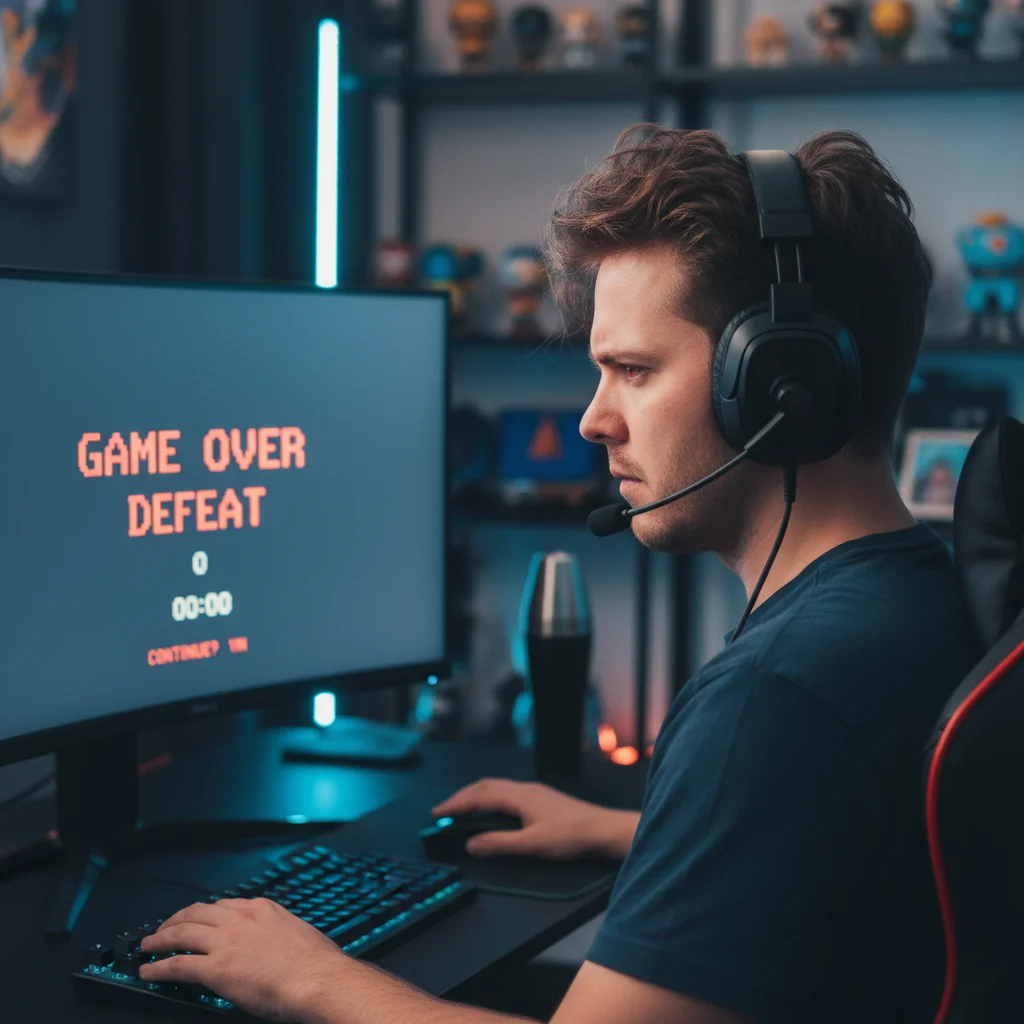
Tilt is the nemesis of every competitive gamer. It’s that moment when frustration boils over, leading to irrational decisions, aggressive play, or complete disengagement. Effective emotional regulation is paramount among gamer resilience tools to prevent tilt from derailing your performance.
Recognizing the Signs of Tilt
The first step to managing tilt is recognizing its onset. Are you feeling your heart rate increase? Are your hands clenching? Is your voice rising? Are you starting to make impulsive decisions or blame others excessively? Self-awareness is key.
Practical Strategies for Emotional Regulation
- Deep Breathing Exercises: When you feel tilt creeping in, take a moment to breathe deeply. Inhale slowly through your nose for four counts, hold for four, and exhale slowly through your mouth for six counts. Repeat several times. This activates your parasympathetic nervous system, calming your body and mind.
- The Micro-Break: If possible, step away from the screen for 30 seconds to a minute. Get a drink of water, stretch, or simply close your eyes. This brief disconnect can reset your mental state.
- Positive Self-Talk: Counter negative internal monologues with positive affirmations. Instead of “I’m playing terribly,” try “That play didn’t work, but I’ll learn from it and focus on the next one.”
- Music or Calming Sounds: Some gamers find that listening to instrumental music or ambient sounds between matches or during loading screens can help maintain a calm state.
- Physical Activity: Regular exercise outside of gaming can significantly improve your overall emotional regulation by reducing stress and improving mood. Even a short walk can clear your head.
Mastering emotional regulation isn’t about suppressing emotions, but about acknowledging them and choosing a constructive response. These strategies are vital gamer resilience tools for maintaining composure under pressure.
3. Deliberate Practice and Post-Game Analysis
While often associated with skill development, deliberate practice and analytical review are also powerful gamer resilience tools. They transform setbacks from frustrating experiences into structured learning opportunities, reinforcing a growth mindset.
What is Deliberate Practice?
Deliberate practice isn’t just playing more; it’s playing with a specific goal of improvement in mind. This involves:
- Targeted Skill Focus: Instead of just queuing up, choose one specific aspect of your gameplay to improve (e.g., last-hitting in an MOBA, crosshair placement in an FPS, build orders in an RTS).
- Immediate Feedback: Pay close attention to your performance in relation to your targeted skill. Are you improving? What’s holding you back?
- Repetition and Refinement: Practice the specific skill repeatedly, making small adjustments based on feedback.
The Art of Post-Game Analysis
After a match, especially a challenging one, resist the urge to immediately queue again or walk away in frustration. Instead, engage in thoughtful analysis:
- Replay Review: Many games offer replay functions. Watch your own gameplay, focusing on your mistakes without judgment. What could you have done differently? Where were your positioning errors? Did you miss crucial information?
- Identify Specific Learnings: Don’t just say, “I played badly.” Pinpoint concrete actions: “I overextended at 15 minutes,” “I didn’t check the minimap before pushing,” or “My ultimate timing was off.”
- Formulate Actionable Goals: Based on your analysis, set one or two specific, measurable goals for your next session. For example, “Next game, I will focus on checking the minimap every 10 seconds.”
- Seek External Feedback: If playing with a team or friends, discuss the game constructively. What did they observe? What went well? What could be improved?
This structured approach to learning from mistakes is a cornerstone of developing true gamer resilience tools. It turns every setback into a valuable lesson, fueling continuous improvement rather than fostering despair.
4. Cultivating a Strong Support System and Community
While gaming can sometimes feel like an individual endeavor, especially in solo queues, the social aspect is incredibly important for mental well-being and resilience. A strong support system is a powerful, yet often overlooked, among gamer resilience tools.
The Benefits of Community
- Shared Experiences: Knowing that other gamers face similar frustrations can be incredibly validating. You’re not alone in struggling with a challenging boss or a losing streak.
- Constructive Criticism and Advice: A trusted community can offer objective feedback and strategies you might not have considered.
- Emotional Support: When you’re feeling down after a tough loss, having friends who can offer encouragement or simply a distraction can make a huge difference.
- Positive Environment: Surrounding yourself with positive, growth-oriented gamers can be contagious, fostering a healthier overall gaming experience.
Building Your Support System
- Join a Guild/Clan/Team: Actively participate in an organized group that shares your gaming interests and values.
- Engage in Online Forums/Discord Servers: Find communities dedicated to your favorite games where discussions are constructive and supportive.
- Play with Friends: Regularly team up with friends who prioritize good sportsmanship and mutual improvement over pure wins.
- Be a Supportive Teammate: Contribute positively to your own teams. Offer encouragement, communicate effectively, and avoid toxic behavior. What you put out often comes back to you.
A robust support system acts as a buffer against the negative impacts of gaming setbacks, reinforcing your mental strength and providing a safety net when you need it most. This collaborative aspect is an invaluable addition to your gamer resilience tools.
5. Mindfulness and Presence in Gaming
In our fast-paced world, and especially in the high-stimulus environment of gaming, it’s easy to get lost in thoughts of past mistakes or future outcomes. Mindfulness, the practice of being fully present and aware of the current moment, is a surprisingly effective addition to your gamer resilience tools.
What is Mindfulness in Gaming?
Mindfulness in gaming means paying attention to your current actions, thoughts, and emotions without judgment. It’s about being fully immersed in the game, focusing on the immediate task at hand rather than dwelling on a missed shot from two minutes ago or worrying about the final score.
How to Practice Mindfulness
- Pre-Game Centering: Before a match, take a few moments to sit quietly. Notice your breath, the sounds around you, and how your body feels. Set an intention to be present and focused during the game.
- Sensory Awareness During Play: Pay attention to the visual cues on screen, the sounds of the game, the feel of your mouse and keyboard/controller. When your mind starts to wander to negative thoughts, gently bring it back to these sensory inputs.
- Non-Judgmental Observation: When you make a mistake, acknowledge it without attaching judgment. Simply observe what happened and then redirect your focus to the next action. Instead of “I’m so stupid for doing that,” try “Okay, that play didn’t work. What’s my next move?”
- Mindful Breaks: During loading screens or respawn timers, instead of checking your phone or mentally replaying errors, use the time to take a few conscious breaths and re-center yourself.
Practicing mindfulness helps you stay calm under pressure, make clearer decisions, and fully engage with the game, enhancing both your performance and enjoyment. It reduces the emotional impact of setbacks by keeping you anchored in the present, preventing you from spiraling into negativity. This makes it a crucial element of your gamer resilience tools.

6. Setting Realistic Goals and Celebrating Small Victories
Unrealistic expectations are a common source of frustration and a major impediment to resilience. If your only goal is to win every game or reach the top rank overnight, you’re setting yourself up for disappointment. Setting realistic goals and acknowledging progress, no matter how small, are vital gamer resilience tools.
The Importance of Realistic Goal Setting
- Process-Oriented Goals: Instead of focusing solely on outcome goals (like winning a tournament), set process goals that are within your control. Examples include: “I will practice my aim for 30 minutes daily,” “I will communicate more effectively with my team,” or “I will review one replay per week.”
- SMART Goals: Ensure your goals are Specific, Measurable, Achievable, Relevant, and Time-bound. This makes them concrete and trackable.
- Gradual Progression: Understand that improvement is a journey, not a destination. Set small, incremental goals that build upon each other.
Celebrating Small Victories
It’s easy to focus on what went wrong, but true resilience involves acknowledging what went right. Celebrating small victories reinforces positive behaviors and builds momentum.
- Acknowledge Improvement: Did you land a difficult combo you’ve been practicing? Did you successfully communicate a critical call-out? Did you maintain composure during a stressful moment? Even if the game was a loss, these are victories.
- Self-Compassion: Be kind to yourself. Recognize your effort and dedication, even when results aren’t perfect.
- Track Progress: Keep a simple journal or use a spreadsheet to log your practice, your goals, and your observed improvements. Seeing tangible progress can be a huge motivator and a boost to your resilience.
- Reward Yourself (Non-Gaming): After achieving a significant process goal, reward yourself with something non-gaming related, like a favorite snack, a walk outside, or listening to music. This helps create a healthy balance.
By focusing on achievable goals and celebrating every step of the journey, you build a positive feedback loop that fuels your motivation and strengthens your gamer resilience tools, making setbacks less daunting and more manageable.
Integrating Gamer Resilience Tools into Your Routine
Implementing these gamer resilience tools isn’t a one-time fix; it’s an ongoing process of self-awareness, practice, and adaptation. To truly embed them into your gaming routine, consider the following:
Consistency is Key
Just like mechanical skills, mental skills require consistent practice. Make a conscious effort to apply these tools in every gaming session, especially after a challenging match. Over time, they will become second nature.
Pre-Game Rituals
Develop a short pre-game ritual that incorporates elements of mindfulness, goal setting, and emotional regulation. This could be 5 minutes of deep breathing, reviewing your specific goals for the session, and a quick positive affirmation.
Post-Game Review
After each gaming session, take a few minutes to reflect. What went well? What could have been better? How did you apply your resilience tools? This reflective practice solidifies learning and helps you identify areas for continued improvement.
Balance Your Gaming Life
Resilience isn’t just built during gameplay; it’s also fostered by a healthy lifestyle outside of gaming. Ensure you’re getting adequate sleep, maintaining a balanced diet, engaging in regular physical activity, and nurturing your social connections beyond your gaming community. Burnout is a significant threat to resilience, and a balanced life is your best defense.
Be Patient with Yourself
Developing mental resilience takes time and effort. There will be days when you still feel frustrated, angry, or defeated. That’s perfectly normal. The goal isn’t to eliminate negative emotions, but to develop healthier ways of responding to them. Be patient, acknowledge your efforts, and keep practicing.
The Future of US Gaming: A Resilient Mindset for 2026 and Beyond
As we look towards 2026, the competitive gaming landscape for US gamers will only intensify. With increasing prize pools, greater viewership, and more sophisticated games, the psychological demands on players will continue to grow. Those who master their mental game, armed with these essential gamer resilience tools, will not only perform better but also enjoy a more fulfilling and sustainable gaming journey.
The ability to bounce back from defeat, to learn from mistakes, and to maintain a positive outlook in the face of adversity is a superpower in gaming. It transforms a frustrating loss into a valuable lesson, a moment of tilt into an opportunity for self-control, and a challenging opponent into a catalyst for growth. By actively cultivating these six mental tools—perspective shift, emotional regulation, deliberate practice, strong support systems, mindfulness, and realistic goal setting—US gamers can unlock their full potential, ensuring that every setback is merely a setup for an even stronger comeback.
Embrace these strategies, practice them diligently, and watch as your gaming experience transforms. The path to becoming an unstoppable, resilient gamer is within your reach. Start building your mental fortress today.