The landscape of competitive esports is evolving at an unprecedented pace. As we head into 2026, the demand for peak performance extends far beyond mechanical skill. The mental game, often overlooked in the early days, has now become the undeniable differentiator between good players and legendary champions. For US competitive players, understanding and mastering esports mindset adjustments is no longer optional; it’s a prerequisite for success. This 2026 Esports Psychology Handbook delves deep into the four essential mindset shifts that will empower you to dominate the digital arena.
Esports has transformed from a niche hobby into a global phenomenon, boasting millions of dedicated players and an even larger fan base. The stakes are higher, the competition is fiercer, and the pressure is immense. In this high-octane environment, mental fortitude is as crucial as quick reflexes. Imagine a scenario where two players possess identical mechanical skills. What separates the winner from the loser? More often than not, it’s their psychological resilience, their ability to perform under pressure, and their strategic thinking – all facets of a well-honed esports mindset. This handbook aims to provide actionable insights and strategies to cultivate that winning mindset, ensuring you’re not just playing the game, but mastering your mental approach to it.
The Evolving Landscape of Esports Psychology in 2026
The field of sports psychology has long recognized the critical role of mental preparation in athletic success. Now, esports psychology is rapidly catching up, tailoring these principles to the unique demands of competitive gaming. In 2026, we see a greater integration of mental health professionals, sports psychologists, and dedicated mindset coaches within professional esports organizations. This shift reflects a growing understanding that the brain is the ultimate hardware in esports, and it needs as much, if not more, training and care than any peripheral.
The competitive gaming environment presents unique psychological challenges. Unlike traditional sports, esports often involves prolonged periods of intense concentration, rapid decision-making under extreme pressure, constant exposure to public scrutiny (especially for streamers), and the unique dynamics of online team play. Factors such as internet lag, unexpected game updates, and toxic online communities can further exacerbate stress and impact performance. Therefore, effective esports mindset adjustments must address these specific stressors.
Moreover, the sheer volume of games and tournaments in the 2026 calendar means players are constantly under pressure to perform. Burnout, anxiety, and depression are real threats that can derail even the most talented careers. Proactive mental health strategies and robust psychological frameworks are becoming indispensable tools for longevity and sustained success. This isn’t just about winning; it’s about building a sustainable career and maintaining well-being in a demanding industry. Our focus on esports mindset adjustments is designed to arm you with the mental tools needed to thrive, not just survive.
Mindset Adjustment 1: Mastering Pressure and Performance Anxiety
Pressure is an inherent part of competitive esports. Whether it’s the final round of a major tournament, a crucial ranked match, or the weight of team expectations, the ability to perform under duress is paramount. Performance anxiety, often manifesting as shaky hands, tunnel vision, or indecisiveness, can cripple even the most skilled players. The first essential esports mindset adjustment for 2026 is to not just cope with pressure, but to master it.
Understanding the Roots of Performance Anxiety
To master pressure, you must first understand its origins. Performance anxiety often stems from a fear of failure, fear of judgment, or an overemphasis on outcomes rather than the process. For many US competitive gamers, the desire to prove themselves, secure sponsorships, or simply not let their teammates down can trigger intense anxiety. Physiologically, this involves the activation of the ‘fight or flight’ response, releasing adrenaline and cortisol, which can impair cognitive function and fine motor skills – precisely what you need in esports.
Practical Strategies for Pressure Management
- Reframing Pressure: Instead of viewing pressure as a threat, reframe it as an opportunity. Tell yourself, "This pressure means I’m in a significant moment, and I’m ready for it." This simple cognitive reframing can shift your physiological response from detrimental to facilitative.
- Deep Breathing and Mindfulness: Incorporate diaphragmatic breathing exercises before and during matches. A few slow, deep breaths can activate the parasympathetic nervous system, counteracting the ‘fight or flight’ response. Mindfulness practices, even for just 5-10 minutes a day, can enhance your ability to stay present and focused, reducing rumination on past mistakes or future outcomes.
- Pre-Performance Routines: Develop a consistent pre-game routine. This could involve listening to specific music, doing light stretches, visualizing successful plays, or reviewing strategies. Routines create a sense of control and familiarity, signaling to your brain that it’s time to perform, thereby reducing uncertainty and anxiety.
- Focused Attention Training: Practice shifting your attention. When anxiety creeps in, consciously bring your focus back to the immediate task: your crosshair, your mini-map, your teammate’s call. This is a learned skill that improves with consistent practice.
- Acceptance and Commitment: Acknowledge that anxiety is a natural response. Trying to suppress it often makes it worse. Instead, accept its presence and commit to your performance goals despite it. "I feel anxious, and that’s okay. I will still execute my plan."
Implementing these esports mindset adjustments will not eliminate pressure entirely, but it will equip you with the tools to manage it effectively, allowing your true skill to shine through when it matters most. This is a cornerstone for any aspiring champion in 2026.
Mindset Adjustment 2: Enhancing Focus and Sustained Attention
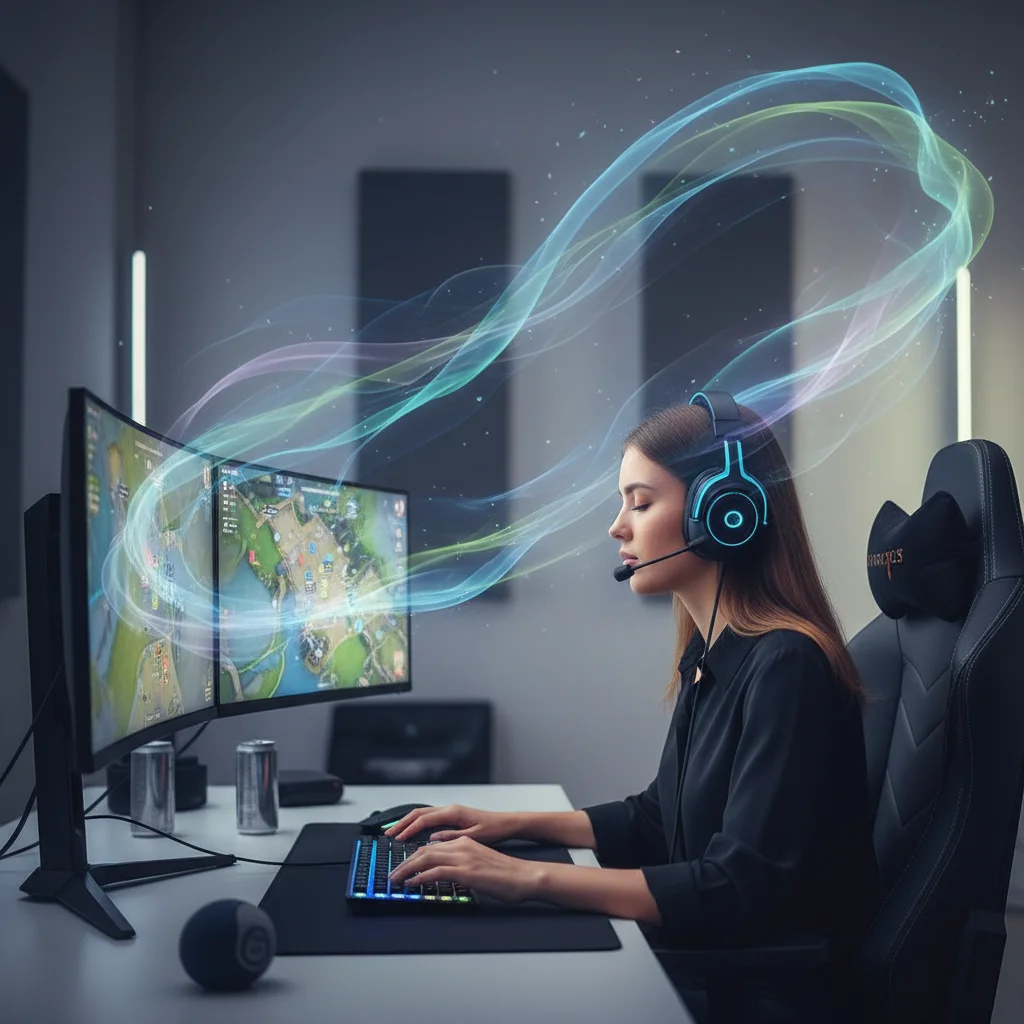
In the rapid-fire world of esports, a momentary lapse in focus can cost a round, a match, or even a tournament. The ability to maintain intense, sustained attention for extended periods while simultaneously processing vast amounts of information is a hallmark of elite players. The second critical esports mindset adjustment involves optimizing your focus and attention span, crucial for competitive success in 2026.
The Challenges to Sustained Attention in Esports
Modern games are incredibly complex, demanding players track multiple variables simultaneously: enemy positions, cooldowns, objectives, team communication, and more. This cognitive load is immense. Furthermore, external distractions (notifications, background noise, chat) and internal distractions (self-doubt, frustration, fatigue) constantly vie for a player’s attention. The digital nature of esports means an endless stream of information, and filtering out the irrelevant while prioritizing the crucial is a constant battle.
Techniques for Sharpening Focus
- Structured Practice Sessions: Don’t just play; practice with purpose. Break down your practice into focused segments. For example, 30 minutes on aiming drills, 30 minutes on map awareness, 30 minutes on communication. This trains your brain to engage in concentrated effort.
- Minimize Distractions: Create an optimal gaming environment. Turn off non-essential notifications, close unnecessary browser tabs, and communicate with household members about your need for uninterrupted focus during practice and matches.
- Chunking Information: Learn to process game information in "chunks." Instead of seeing individual enemies, see enemy compositions and potential threat zones. Instead of individual abilities, see ability combos. This reduces cognitive overload and improves decision-making speed.
- Attention Drills: Practice specific attention-training exercises. These could be simple visual tracking exercises, memory games, or even custom game modes designed to test your ability to quickly identify and react to specific stimuli.
- Regular Breaks and "Micro-Breaks": Sustained attention is a finite resource. Incorporate short breaks (5-10 minutes) every hour during long sessions to reset your focus. Even micro-breaks during a match (e.g., between rounds, during a respawn timer) can be used for a quick mental reset, a deep breath, or a brief visual scan away from the screen.
- Nutrition and Hydration: Don’t underestimate the impact of physical well-being on mental performance. A balanced diet, adequate hydration, and sufficient sleep are foundational to sustaining focus and preventing mental fatigue.
By actively working on these esports mindset adjustments, players can significantly improve their ability to concentrate, make clearer decisions, and maintain peak performance throughout even the longest and most demanding competitive sessions.
Mindset Adjustment 3: Building Resilience and Embracing Failure
Esports is a brutal mistress. Losses are inevitable, mistakes will happen, and you will face setbacks. How you react to these moments defines your long-term success. The third essential esports mindset adjustment for 2026 is cultivating resilience – the ability to bounce back from adversity – and adopting a growth mindset that embraces failure as a learning opportunity.
The Impact of Failure and Tilt
For many US competitive gamers, a single mistake or loss can trigger "tilt" – a state of emotional frustration and anger that impairs judgment and leads to further errors. This negative spiral can destroy individual performance and negatively impact team morale. The fear of failure can also lead to risk-averse play, preventing innovation and bold strategies that might otherwise lead to victory.
Strategies for Resilience and Growth
- Post-Game Analysis (VOD Review): After a loss or a poor performance, resist the urge to immediately queue up again in frustration. Instead, dedicate time to objective VOD (Video On Demand) review. Analyze your mistakes without self-judgment. What went wrong? Why? What could you have done differently? Focus on the actionable lessons, not the emotional sting of defeat.
- Emotional Regulation Techniques: Develop healthy coping mechanisms for frustration. This could include stepping away from the computer for a few minutes, listening to calming music, talking to a trusted teammate or friend, or engaging in a brief physical activity. Avoid lashing out or dwelling on negativity.
- Growth Mindset Adoption: Understand that your abilities are not fixed. Every challenge, every mistake, is an opportunity to learn and improve. Instead of saying "I’m bad at this," say "I haven’t mastered this yet, but I can learn." This fundamental shift in perspective fuels continuous improvement.
- Learn from Pro Players’ Failures: Even the greatest esports athletes experience losses and make mistakes. Observe how they react. Often, they maintain composure, learn from the experience, and come back stronger. This is a powerful demonstration of effective esports mindset adjustments.
- Celebrate Small Victories: Don’t just focus on the big wins. Acknowledge and celebrate small improvements in your gameplay, successful execution of a new strategy, or effective communication in a difficult situation. This builds positive reinforcement and confidence.
- Develop a Support System: Having a strong team, coach, or even a community of fellow gamers who can offer constructive feedback and emotional support is invaluable for building resilience.
By intentionally practicing these esports mindset adjustments, players can transform setbacks into stepping stones, building the mental toughness required to navigate the ups and downs of a competitive esports career.
Mindset Adjustment 4: Optimizing Team Dynamics and Communication
Esports, particularly team-based games, are inherently social. Individual skill is crucial, but it’s often the synergy of a well-coordinated team that leads to victory. The fourth essential esports mindset adjustment for 2026 focuses on cultivating effective team dynamics and communication, turning a group of skilled individuals into an unstoppable force.
The Complexities of Team Play
Effective team play requires more than just calling out enemy positions. It demands trust, empathy, clear and concise communication, conflict resolution skills, and the ability to adapt to different personalities and playstyles. Misunderstandings, ego clashes, and poor communication can quickly unravel a team, regardless of individual talent. This is particularly true in the diverse and often rapidly formed teams found in US competitive esports.
Strategies for Enhanced Teamwork
- Clear Communication Protocols: Establish clear and concise communication guidelines. What information is critical? How should it be conveyed (e.g., "enemy low health, top lane" vs. "he’s over there, kill him")? Practice active listening and ensure everyone understands calls.
- Role Clarity and Responsibility: Every player needs to understand their role, responsibilities, and how they contribute to the team’s overall strategy. This minimizes confusion and ensures all necessary tasks are covered.
- Building Trust and Empathy: Spend time with your teammates outside of the game if possible, or engage in non-game-related conversations. Understanding their personalities, strengths, and weaknesses builds trust and empathy, which are vital for effective in-game collaboration.
- Constructive Feedback Culture: Foster an environment where feedback is given constructively and received openly. Focus on specific behaviors and outcomes, not personal attacks. "Next time, consider holding your ultimate for the engage" is more effective than "You always waste your ultimate."
- Conflict Resolution Strategies: Disagreements are inevitable. Develop strategies for resolving conflicts respectfully and efficiently. This might involve a designated team leader mediating, or a rule to discuss issues after a match, not during.
- Adaptability and Flexibility: Teams must be able to adapt to changing meta-games, opponent strategies, and unexpected in-game events. This requires mental flexibility and a willingness to adjust plans on the fly, trusting your teammates to do the same.
- Positive Reinforcement: Acknowledge and praise good plays and effective communication from teammates. Positive reinforcement boosts morale and encourages continued good behavior.
Implementing these esports mindset adjustments related to team dynamics will transform your group into a cohesive unit, capable of executing complex strategies and overcoming formidable opponents in 2026 and beyond.
Integrating Mindset Training into Your Daily Routine
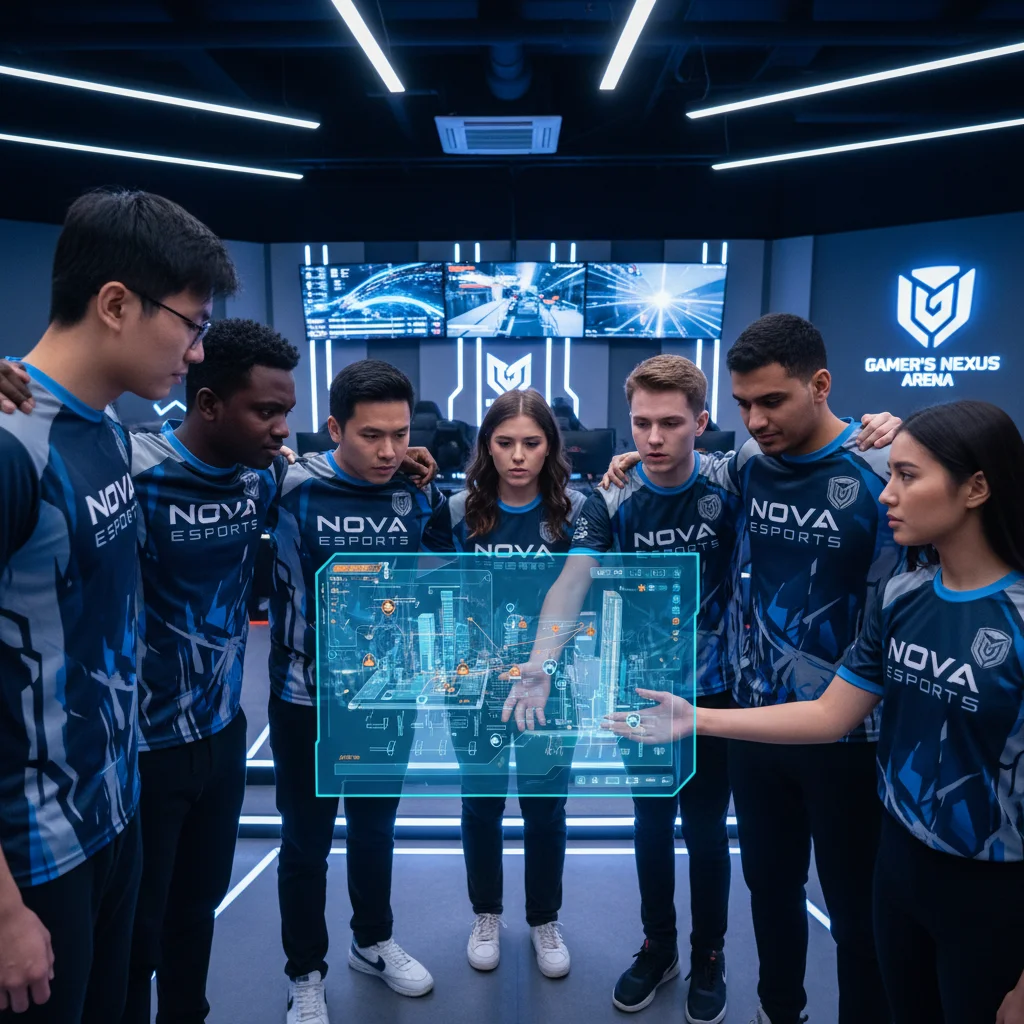
These four esports mindset adjustments are not a one-time fix; they require consistent practice and integration into your daily routine. Just as you dedicate hours to mechanical drills and strategy review, you must commit to mental training. For US competitive players aiming for the top in 2026, this integration is non-negotiable.
Creating a Holistic Training Schedule
Consider dedicating specific time slots in your training schedule for mental exercises. This could be 15 minutes of mindfulness meditation in the morning, a 10-minute visualization exercise before competitive play, or a structured VOD review session focusing solely on decision-making processes rather than just mechanical errors. Treat your mental training with the same seriousness as your aim training.
Leveraging Technology and Resources
The esports landscape in 2026 offers a wealth of resources. Utilize mental training apps, guided meditations specifically for athletes, and educational content from sports psychologists. Many professional esports organizations now provide access to mental coaches; if you’re part of such an organization, take full advantage of these resources. Even independent players can find online communities and coaching services dedicated to esports psychology.
Self-Assessment and Reflection
Regularly assess your mental state. How did you handle pressure in your last match? Was your focus consistent? How did you react to a mistake? Journaling can be a powerful tool for self-reflection, allowing you to track your progress, identify recurring mental hurdles, and refine your esports mindset adjustments over time. Be honest with yourself and celebrate your mental victories as much as your in-game ones.
The Role of Physical Health
It’s impossible to discuss esports mindset adjustments without emphasizing the foundational role of physical health. A healthy body supports a healthy mind. Ensure you’re getting adequate sleep (7-9 hours), maintaining a balanced diet, staying hydrated, and incorporating regular physical activity into your routine. Even light exercise can significantly improve mood, reduce stress, and enhance cognitive function. Neglecting physical health directly impacts mental resilience and focus, making it harder to implement any psychological strategy.
Seeking Professional Guidance
If you find yourself struggling with persistent anxiety, burnout, or other mental health challenges, do not hesitate to seek professional help. A qualified sports psychologist or mental health professional can provide tailored strategies and support, helping you navigate complex issues that might be beyond self-help techniques. Investing in your mental well-being is the most crucial investment you can make in your esports career.
Conclusion: The Future of Esports Mindset Adjustments in 2026
As we navigate the thrilling and demanding world of competitive esports in 2026, the emphasis on mental fortitude will only continue to grow. The four essential esports mindset adjustments – mastering pressure, enhancing focus, building resilience, and optimizing team dynamics – form the bedrock of sustained success for US competitive players.
These are not just theoretical concepts; they are actionable strategies that, when diligently practiced, will elevate your game to new heights. The players who prioritize their mental game will be the ones who stand out, consistently performing under pressure, maintaining unwavering focus, bouncing back stronger from adversity, and leading their teams to victory.
Embrace this 2026 Esports Psychology Handbook as your guide to unlocking your full potential. The journey to becoming an esports champion is as much about mastering your mind as it is about mastering the game. Start implementing these mindset adjustments today, and prepare to redefine what’s possible in the digital arena. Your mental edge is your ultimate weapon; sharpen it, hone it, and let it lead you to unparalleled success.