
The landscape of video game development is in constant flux, driven by technological advancements, evolving player expectations, and an ever-growing global community. In the United States, a vibrant and diverse gaming population holds significant power to shape the future of their favorite titles. However, merely playing a game isn’t enough; active and constructive participation in the player feedback loop is crucial. By 2026, the methods through which US gamers can influence game development will have become even more sophisticated and impactful. This article delves into three primary ways US gamers can effectively engage with developers, ensuring their voices are not just heard, but acted upon, ultimately leading to better, more engaging, and more player-centric games.
The traditional model of game development often involved a more top-down approach, where developers created games based on their vision, and players simply consumed them. While this model still exists, the rise of live-service games, early access programs, and the ubiquitous nature of online communication have fundamentally altered this dynamic. Today, the player feedback loop is an indispensable component of successful game creation. Developers increasingly recognize that integrating player insights early and continuously leads to stronger products, fosters stronger communities, and ultimately, drives greater commercial success. For US gamers, understanding and utilizing the most effective channels for feedback isn’t just about personal preference; it’s about contributing to a collective effort that elevates the entire industry.
1. Direct Engagement Through Alpha, Beta, and Early Access Programs
One of the most potent avenues for US gamers to influence game development is through direct engagement in pre-release testing phases. Alpha, beta, and early access programs are no longer just about bug hunting; they are sophisticated mechanisms for collecting comprehensive player feedback loop data. By 2026, these programs will be even more refined, offering structured opportunities for players to contribute meaningfully.
The Evolution of Pre-Release Testing
Historically, alpha and beta tests were often closed, limited affairs, primarily focused on technical stability. While these aspects remain important, modern pre-release testing extends far beyond. Developers are now using these phases to gauge player sentiment on core gameplay mechanics, narrative choices, user interface (UI) design, and even monetization strategies. For US gamers, this means an unprecedented opportunity to get hands-on with a game in its formative stages and directly influence its trajectory.
How US Gamers Can Maximize Their Impact:
- Provide Structured and Specific Feedback: Instead of simply saying, "This game is fun," or "I don’t like this level," focus on actionable insights. For example, "The combat feels clunky because the dodge mechanic has too much cooldown, making it frustrating against fast enemies in Area X." This level of detail is invaluable to developers.
- Utilize In-Game Reporting Tools: Many modern games integrate sophisticated bug reporting and feedback tools directly into the game client. These tools often capture telemetry data, screenshots, and even video clips, making it easier for developers to understand the context of your feedback. Make sure to use them diligently.
- Participate in Surveys and Questionnaires: Developers frequently distribute surveys during alpha and beta periods. These are designed to gather quantitative and qualitative data on specific aspects of the game. Taking the time to fill these out thoughtfully can provide crucial statistical backing to anecdotal feedback, reinforcing the importance of certain issues or features.
- Engage Respectfully in Dedicated Forums: Most early access and beta programs have dedicated forums or Discord servers. These platforms are excellent for discussing issues with other players and developers. However, maintaining a constructive and respectful tone is paramount. Developers are more likely to engage with and value feedback that is presented professionally.
- Focus on the "Why": When suggesting changes or pointing out problems, try to articulate why you feel a certain way. Is a mechanic unintuitive? Does a certain design choice break immersion? Explaining the underlying reason for your feedback helps developers address the root cause, not just the symptom.
By actively participating in these programs, US gamers become an extension of the development team, offering diverse perspectives that internal teams might miss. This direct influence on the player feedback loop ensures that games are not only technically sound but also resonate deeply with their intended audience.
2. Leveraging Community Platforms and Social Media for the Player Feedback Loop
Beyond structured testing, the digital age has empowered US gamers with a multitude of platforms to vocalize their opinions. Online communities, dedicated forums, and social media channels have become powerful conduits for the player feedback loop. By 2026, the sophistication of these platforms and the methods developers use to listen will have grown considerably, requiring gamers to be strategic in their communication.
The Power of Collective Voice
While individual feedback is valuable, the collective voice of a community can be exponentially more impactful. When a significant portion of the player base raises similar concerns or expresses enthusiasm for particular features, it sends a clear signal to developers. This collective sentiment, often amplified through social media trends or highly upvoted forum posts, can directly influence development priorities and resource allocation.
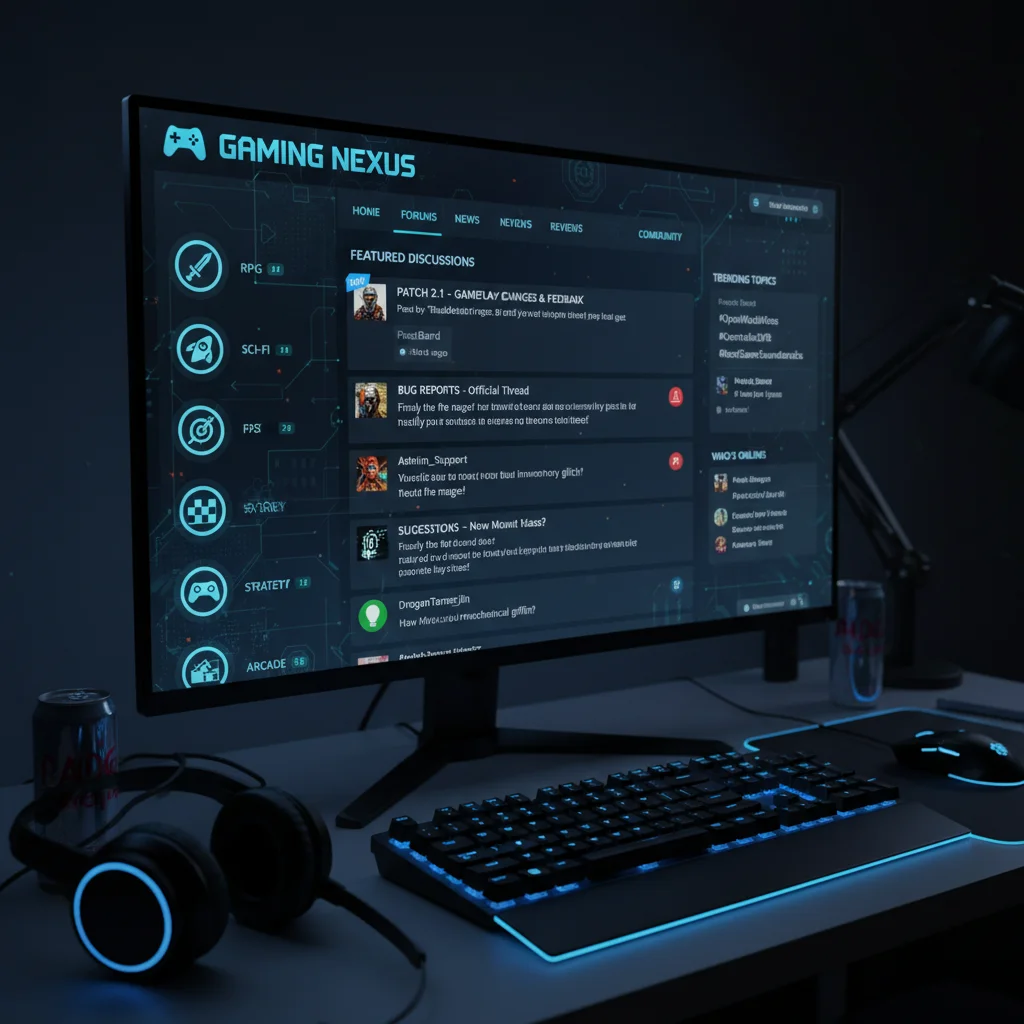
Effective Use of Community and Social Platforms:
- Utilize Official Forums and Subreddits: Many game developers actively monitor their official forums, as well as popular subreddits dedicated to their games. These are often the first places community managers and even developers look for recurring themes and common pain points. Posting well-reasoned feedback in these spaces can capture direct attention.
- Engage with Community Managers: Community managers are the bridge between the players and the development team. They are specifically tasked with gathering and synthesizing player feedback. Engaging with them respectfully and providing clear, concise feedback can ensure your points are escalated to the relevant departments.
- Participate in Developer Q&As and AMAs: Many studios host "Ask Me Anything" (AMAs) sessions on platforms like Reddit or regular Q&A streams on Twitch or YouTube. These are prime opportunities to ask direct questions, offer suggestions, and gain insight into developer thinking. Prepared, thoughtful questions often yield the most valuable responses.
- Harness the Power of Social Media (Responsibly): Twitter, Facebook, and other social media platforms can quickly amplify player sentiment. When providing feedback on these platforms, tagging the official game accounts or relevant developers can increase visibility. However, it’s crucial to maintain a constructive tone. Harassment or overly aggressive language is counterproductive and can lead to your feedback being dismissed.
- Create High-Quality Content: For content creators, streamers, and YouTubers, their platforms can be incredibly influential. Detailed reviews, analytical videos, and even live streams showcasing specific gameplay issues or exciting possibilities can reach a large audience and indirectly (or directly, if developers are watching) influence development. Presenting feedback in an engaging and analytical way can be very persuasive.
- Collaborate with Other Players: Instead of fragmented individual complaints, try to consolidate feedback with other players. Jointly written documents, organized polls, or unified community campaigns can present a stronger, more coherent message to developers, demonstrating widespread support for a particular change or feature.
By actively and strategically engaging with these community platforms, US gamers can collectively exert significant influence over the player feedback loop, ensuring that the games they love evolve in directions that genuinely serve the player base. The key is to be organized, articulate, and persistent, without crossing the line into harassment.
3. Data-Driven Feedback and Analytics Understanding
As games become more complex and data collection more sophisticated, the role of analytics in the player feedback loop is becoming paramount. By 2026, US gamers who understand how their gameplay data contributes to development decisions will be better equipped to provide feedback that aligns with developer needs and ultimately has a greater impact. This involves not just what players say, but what their actions reveal.
The Rise of Telemetry and Behavioral Data
Modern game development relies heavily on telemetry data – anonymous information collected about how players interact with the game. This includes everything from player movement patterns, weapon usage, quest completion rates, time spent in certain areas, to where players die most often. This data provides an objective, large-scale view of player behavior that complements subjective feedback. Developers use this data to identify pain points, balance issues, and areas of high engagement, even before players vocalize them.
How US Gamers Can Contribute to Data-Driven Development:
- Opt-In to Data Collection (When Comfortable): Many games offer players the option to opt-in to anonymous data collection. If you are comfortable with this, doing so directly contributes to the pool of information developers use. The more data they have, the clearer the picture of player behavior.
- Understand the "Why" Behind Developer Decisions: When developers communicate changes, they often cite data as a reason. For example, "We’ve nerfed this weapon because our data showed it was disproportionately used and led to an imbalanced meta." Understanding this perspective allows gamers to frame their feedback in a way that addresses the underlying data, rather than just opposing the change outright.
- Provide Contextual Feedback on Data-Identified Issues: If developers announce a change based on data (e.g., "Players are struggling with this boss"), gamers can then provide qualitative feedback that explains why they are struggling. Is it the boss’s attack pattern? A lack of clear tells? Unfair mechanics? This qualitative context enriches the quantitative data.
- Engage with Developer Blogs and Post-Mortems: Many studios release detailed blogs or "post-mortems" that discuss their development process, often including insights derived from player data. Reading these can help gamers understand the metrics developers prioritize and tailor their feedback accordingly.
- Participate in Playtesting with Specific Objectives: Some testing phases might be designed to specifically gather data on certain mechanics. For instance, a test might ask players to try out a new weapon for a set amount of time. Consciously engaging with these objectives helps generate cleaner, more focused data for developers.
- Highlight Unintended Consequences: Sometimes, a change made based on data might have unforeseen negative consequences on player experience. Gamers can provide valuable feedback by pointing out these unintended effects, explaining how a data-driven decision, while logical on paper, impacts the subjective enjoyment of the game.
The synergy between qualitative (what players say) and quantitative (what players do) feedback is the cornerstone of an effective player feedback loop. US gamers who appreciate this interplay can provide more nuanced and impactful contributions, moving beyond mere complaints to offering solutions grounded in a deeper understanding of game design and development.

The Future of the Player Feedback Loop in the US
By 2026, the lines between player and developer will continue to blur. The player feedback loop will likely incorporate even more advanced technologies, such as AI-powered sentiment analysis of forum posts, predictive modeling of player behavior, and more seamless integration of feedback mechanisms directly into gameplay. Virtual reality and augmented reality environments could offer new, immersive ways for players to test and provide feedback on early builds.
For US gamers, this future presents both opportunities and responsibilities. The opportunity lies in having an unprecedented level of influence over the games they love. The responsibility comes with the need to provide constructive, well-articulated, and thoughtful feedback. The days of simply yelling into the void are over; effective influence requires engagement, understanding, and a collaborative spirit.
Ethical Considerations and Developer Transparency:
As the player feedback loop tightens, ethical considerations surrounding data privacy and developer transparency will become increasingly important. US gamers should advocate for clear communication from developers about how their data is used and how feedback is prioritized. Conversely, developers have a responsibility to be transparent about their development process and the challenges they face, fostering a relationship of trust with their player base.
The Role of Independent Developers:
Independent game developers, often operating with smaller teams and tighter budgets, frequently rely even more heavily on direct player feedback. For US gamers interested in truly shaping innovative experiences, engaging with indie developers through platforms like Kickstarter, Patreon, and early access on storefronts like Steam can provide a more direct and often more impactful player feedback loop. These developers are frequently more accessible and responsive to individual player contributions.
Conclusion
The power of the player feedback loop cannot be overstated in modern game development. For US gamers, the ability to influence the games they play is no longer a privilege but an expectation. By 2026, those who master the art of direct engagement through testing programs, leverage community platforms strategically, and understand the role of data in development will be the true architects of tomorrow’s gaming experiences. This collaborative ecosystem, where players and developers work hand-in-hand, promises a future filled with games that are not only technically brilliant but also deeply resonant with the desires and aspirations of the global gaming community. Embrace your role in this critical dialogue, and help sculpt the future of gaming.